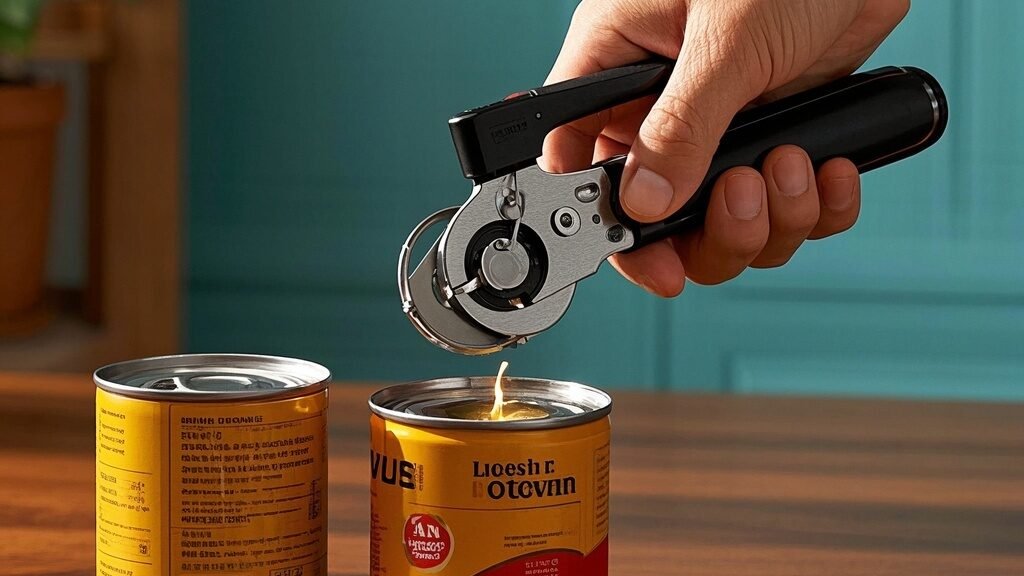
Can Safety Can Openers Be Used One-Handed?
Opening a can shouldn’t feel like a feat of strength or a precarious balancing act. For millions of seniors and individuals with arthritis, weak grip, or limited mobility in one hand, the simple task of accessing canned goods can be a daily source of frustration and even risk. The traditional manual can opener, with its requirement for simultaneous downward pressure, twisting force, and a firm grip, often becomes an unwelcome kitchen adversary. This is where the specialized world of safety can openers comes into play, promising not just ease but true independence. But can these devices truly deliver on the promise of one-handed operation, or is that claim too good to be true?
Understanding Safety Can Openers and Their Core Features
Unlike their traditional counterparts, a safety can opener is specifically engineered to minimize effort and maximize safety. The primary goal is to create a smooth, stable, and controlled opening process that protects the user from sharp edges and eliminates the need for excessive force. Key design philosophies differentiate them.
Mechanism and Cutting Action: Most safety models use a side-cutting or under-the-lid mechanism. Instead of piercing the top and cutting inward, leaving a jagged edge, these openers cleanly cut the lid from the side, leaving it safely attached and with a smooth rim on the can. This design inherently requires less downward pressure.
Ergonomics and Grip Assistance: Handles are oversized, contoured, and padded with non-slip rubber. This design increases leverage and distributes force across the palm, not just the fingers, which is crucial for those with arthritis or reduced hand strength. Many feature large, easy-to-turn knobs instead of small, fiddly cranks.
The Reality of One-Handed Operation
So, can you use a can opener for seniors with just one hand? The answer is a qualified “yes,” but it depends heavily on the specific model and the user’s individual abilities. True one-handed operation typically requires an electric can opener. With a simple press of a lever or button, the magnetic arm lifts the lid away automatically, requiring no gripping, twisting, or cranking from the user. This is the gold standard for individuals with severe limitations in one hand or very weak grip strength in both.
Manual Models and Stabilization: For manual safety can openers, “one-handed” often means the device itself provides the stability. Many feature powerful suction cups or a clamp-based design that securely anchors the opener to the top of the can. Once locked on, the user only needs to turn the crank with one hand; the device won’t spin or slip. This is a significant improvement over traditional models but still requires the user to have enough dexterity and strength in that one hand to turn the crank consistently.
Practical Tips for Easier Use: For those attempting one-handed use with a manual safety opener, always ensure the suction or clamp is on a clean, dry surface. Practice on an empty can first. Consider placing the can on a non-slip mat for extra stability. If cranking is difficult, look for models with an extra-large, textured knob.
Choosing the Right Opener for Independence and Safety
Selecting the best tool involves honest assessment and prioritizing key features that foster pain-free kitchen independence.
For Maximum Ease and Minimal Effort: An electric can opener is often the best choice. It eliminates nearly all physical demand. Look for models with automatic start/stop, a built-in knife sharpener, and easy-to-clean designs. The main drawback is that it requires counter space and an electrical outlet.
For Reliable Manual Operation: A high-quality manual safety can opener with a strong stabilizing base (suction or clamp) is excellent for those who retain moderate hand strength and dexterity. Prioritize models with oversized, soft-grip handles and a smooth, gear-driven crank mechanism. These are portable, easy to clean, and don’t require power.
Safety Considerations for Elderly Users: Always opt for openers that leave smooth edges. Ensure the device is easy to clean to prevent food residue buildup. For electric models, check that cords are kept tidy to avoid tripping hazards. Test the grip and crank action in-store if possible, or read reviews focusing on ease of use for those with hand challenges.
Who Should Consider a Safety Can Opener?
If you or a loved one experiences pain, stiffness, or weakness in the hands—whether from arthritis, Parkinson’s, injury, or general aging—a safety can opener is a worthwhile investment in kitchen autonomy and safety. Electric models are ideal for near-total one-handed operation, while advanced manual stabilizers offer excellent support for those with some dexterity. Reclaiming the simple joy of preparing a meal without struggle is possible. Find the perfect can opener to restore confidence and independence in your kitchen below!
Related Guides:
- Best Rated Can Openers 2026 (All Categories)
- Best Can Opener for Seniors with Weak Grip (2026 Top Picks)
- Best Can Opener for Arthritis Patients (2026 Pain-Free Picks)
- Best Can Opener for Stroke Survivors (2026 Easy-Use Picks)
- Best Electric Can Opener (2026 Top-Rated Automatic Models)
- Best Hands-Free Can Opener (2026 No-Grip Effort Models)
- Best Manual Can Opener (2026 Ergonomic Low-Effort Models)
- Best Sharp-Edge-Free Can Opener (2026 Safe No-Cut Models)