What Safety Can Opener Is Best for Elderly Users?
For many seniors, the simple act of opening a can can become a source of frustration and even risk. Arthritic hands struggle to grip, weakened strength makes turning a crank difficult, and the sharp edges of a traditional lid pose a genuine danger. The kitchen, once a place of independence and creativity, can feel like an obstacle course. This is where the right safety can opener becomes more than just a tool—it’s a key to maintaining autonomy and confidence in daily life. Finding the best safety can opener for elderly users requires understanding the specific challenges of limited grip strength, arthritis, and mobility issues.
Key Features of a Senior-Friendly Safety Can Opener
Not all can openers labeled “easy” or “ergonomic” are created equal for senior needs. The best models are designed with a holistic approach to safety and accessibility.
Ergonomic Design and Pain-Free Operation
Look for openers with large, soft-grip handles that distribute pressure across the palm, not just the fingers. This is crucial for those with arthritis or weak hands. A smooth, easy-turn mechanism requiring minimal force is essential. Some advanced models use powerful gears or even electric motors to do all the work, eliminating the need to squeeze and turn altogether.
Superior Safety Mechanisms
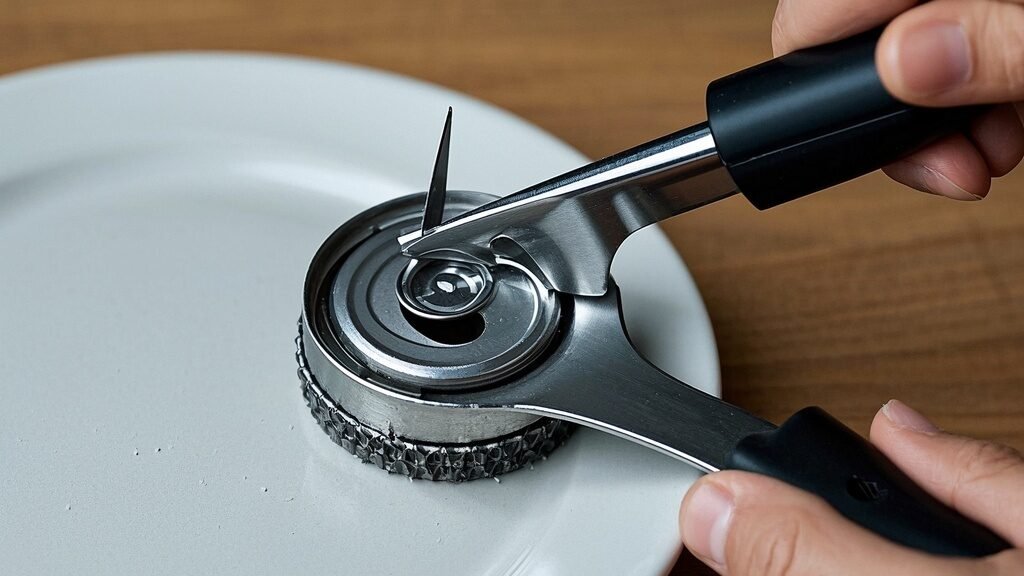
The primary safety goal is to never touch the sharp lid. A true safety can opener leaves a smooth, rolled edge on the can itself and completely detaches the lid, often magnetically holding it in place for disposal. This eliminates the risk of cuts from jagged metal. A stable, non-slip base is also critical to prevent the can from slipping during operation, which is a common cause of spills and frustration.
Top Can Opener Types for Elderly Users
Understanding the different technologies available helps narrow down the best choice for an individual’s specific abilities and preferences.
Electric Can Openers: Maximum Ease
Electric can openers are often the top recommendation for seniors with significant hand weakness or severe arthritis. With just the press of a button, the magnetic opener does all the work, cleanly cutting the lid and holding it safely. The user never needs to apply pressure or turn a crank. The main considerations are that they require counter space and an electrical outlet, and they are typically the least portable option.
Side-Cutting / Smooth-Edge Openers
These manual openers are excellent for those who prefer a non-electric tool but still demand top-tier safety. They cut the can from the side, under the rim, leaving a perfectly smooth edge on both the can and the detached lid. They usually feature large, easy-turn knobs and good leverage, making them easier on the hands than a standard opener. They offer a great balance of safety, manual operation, and no need for batteries or power cords.
Adaptive & Lever-Style Openers
For seniors who may have the use of only one hand or very limited grip, adaptive openers that clamp onto the counter or table provide crucial stability. Lever-style models, where you press down a large handle instead of turning a small knob, can also be easier for some as they use different muscle groups. These are specialized tools that can be game-changers for specific mobility challenges.
Practical Tips for Choosing and Using a Safety Can Opener
Selecting the right model is the first step; using it effectively ensures long-term success and safety in the kitchen.
Prioritize Hands-On Testing (If Possible)
If you can, visit a store to feel the grips and test the action. What feels comfortable for one person might be awkward for another. Pay attention to the force required to start the cutting mechanism and turn the crank. Consider weight—a heavier, sturdier base can be more stable but harder to lift and store.
Safety and Maintenance Are Key
Always ensure the cutting mechanism is clean and free of food debris to maintain smooth operation and hygiene. Regularly check for any rust or damage. For electric models, keep the cord safely out of the way. Even with a safety opener, teach and remind users to always place the detached lid immediately into the trash or recycling, never leaving it loose on the counter or in the sink.
Empowering an elderly loved one in the kitchen starts with removing small, daily barriers. A thoughtfully chosen safety can opener addresses pain, fear, and physical limitation directly. It’s a simple investment that pays dividends in independence, nutritional access (from canned fruits, vegetables, and soups), and the profound dignity of self-sufficiency.
Who Should Consider a Safety Can Opener?
This tool is ideal for seniors and anyone with arthritis, hand weakness, tremors, or limited mobility who wants to prepare food safely and independently. It’s also a thoughtful gift for aging parents or relatives to support their continued autonomy at home. Find the perfect can opener for your needs below!
Related Guides:
- Best Rated Can Openers 2026 (All Categories)
- Best Can Opener for Seniors with Weak Grip (2026 Top Picks)
- Best Can Opener for Arthritis Patients (2026 Pain-Free Picks)
- Best Can Opener for Stroke Survivors (2026 Easy-Use Picks)
- Best Electric Can Opener (2026 Top-Rated Automatic Models)
- Best Hands-Free Can Opener (2026 No-Grip Effort Models)
- Best Manual Can Opener (2026 Ergonomic Low-Effort Models)
- Best Sharp-Edge-Free Can Opener (2026 Safe No-Cut Models)