Can Safety Can Openers Be Used Without Grip Strength?
Opening a simple can of soup shouldn’t feel like a feat of strength. For millions of seniors and individuals with arthritis, weak hands, or limited mobility, that everyday task can be a source of frustration, pain, and even danger. The twisting, pinching, and force required by a traditional can opener can turn a moment of independence into a reminder of physical limitation. This is where the modern safety can opener steps in, designed not just to open cans, but to restore confidence and autonomy in the kitchen.
Understanding Safety Can Openers: More Than Just a Tool
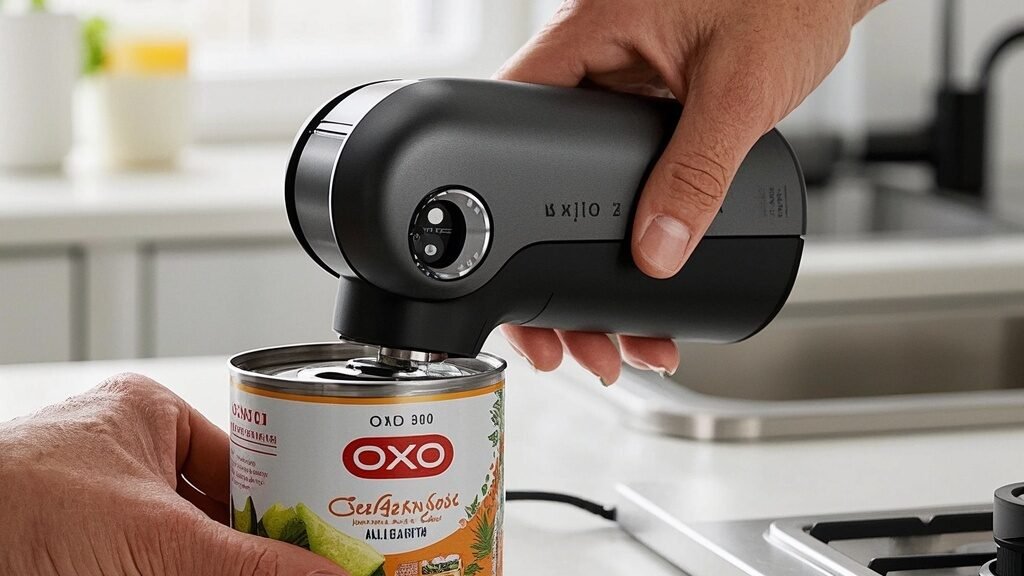
A safety can opener is specifically engineered to minimize physical effort and maximize user safety. Unlike manual openers that require significant grip strength and wrist torque, these devices often use electric motors or innovative mechanical designs to do the hard work for you. The core mission is to provide a pain-free can opening experience, making them ideal can openers for seniors and anyone with hand weakness.
Key Design Principles: These openers prioritize stability, secure gripping of the can, and a smooth, automated cutting action. Many models feature large, easy-to-press buttons or paddles instead of small knobs. The cutting mechanism is typically fully enclosed, preventing contact with sharp edges and eliminating the risk of cuts from jagged lids—a significant safety consideration for elderly users.
Features That Empower Independence in the Kitchen
When evaluating a can opener for someone with limited hand strength, specific features make all the difference. Look for designs that address common challenges associated with arthritis and reduced mobility.
Ease of Use and Operation: The best models are truly one-handed or require minimal dexterity. Electric safety can openers often work with a simple push of a large button; the magnet holds the lid, and the device automatically stops when the cut is complete. For manual options, look for extra-long, ergonomic handles that provide leverage, reducing the force needed by up to 70% according to manufacturer claims. A wide, soft-grip handle distributes pressure across the palm, not just the fingers.
Safety and Practicality: Beyond the enclosed cutting path, consider openers that leave a smooth lid edge. Some electric models even feature a “hands-free” design where the opener clamps onto the can rim, requiring no holding at all. This is a game-changer for individuals with very weak grip or tremors. Always check that the device is stable on the countertop during use to prevent tipping.
Practical Tips for Choosing and Using a Senior-Friendly Can Opener
Selecting the right tool is the first step; using it effectively ensures lasting independence. Here are actionable tips for caregivers and users alike.
Choosing the Right Model: Assess the user’s specific needs. For severe arthritis, a plug-in electric opener is often the best choice, eliminating twisting motions entirely. For those with moderate weakness who prefer a non-electric option, a side-cutting manual opener with large, looped handles can be effective. Consider weight and storage; a lightweight, easy-to-clean model is preferable. In our testing, openers with a simple, intuitive design are used more consistently than complex ones.
Maximizing Safety and Ease: Always place the opener on a clean, dry, and stable surface. Ensure the can’s rim is clean for a secure grip. For electric models, keep cords tidy and away from the edge of the counter. After opening, use the built-in magnet or a tool to remove the lid—never your fingers. Regularly clean the cutting wheel to prevent food buildup, which can hinder performance.
Exploring Recommended Options for Weak Hands
The market offers several excellent can openers for weak hands. While we don’t endorse specific brands, popular categories include powerful electric openers with oversized buttons, ergonomic manual openers that use rocking or side-cutting action, and even battery-operated portable models for low-use scenarios. The common thread is a design philosophy centered on accessibility, not just utility.
Who Should Consider a Safety Can Opener? Anyone for whom a traditional can opener causes discomfort, anxiety, or poses a safety risk. It’s a simple, affordable adaptation that can have a profound impact on daily living, turning a challenging chore back into a simple step in preparing a meal. Find the perfect can opener for your needs below and reclaim your kitchen confidence!
Related Guides:
- Best Rated Can Openers 2026 (All Categories)
- Best Can Opener for Seniors with Weak Grip (2026 Top Picks)
- Best Can Opener for Arthritis Patients (2026 Pain-Free Picks)
- Best Can Opener for Stroke Survivors (2026 Easy-Use Picks)
- Best Electric Can Opener (2026 Top-Rated Automatic Models)
- Best Hands-Free Can Opener (2026 No-Grip Effort Models)
- Best Manual Can Opener (2026 Ergonomic Low-Effort Models)
- Best Sharp-Edge-Free Can Opener (2026 Safe No-Cut Models)