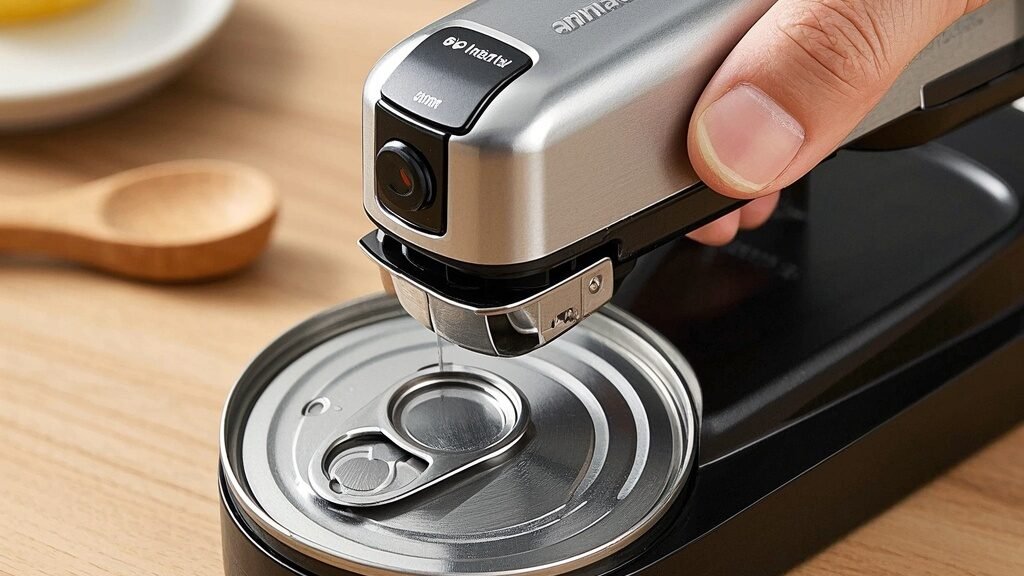
What Is Best Safety Can Opener for Weak Grip?
Opening a simple can of soup shouldn’t feel like a workout for your hands. For millions of seniors and individuals with arthritis, limited hand strength, or conditions like Parkinson’s, the twisting, gripping, and pressure required by a traditional can opener can range from uncomfortable to impossible. It transforms a basic kitchen task into a frustrating barrier to independence. The best safety can opener for weak grip isn’t just a tool; it’s a key to reclaiming confidence and ease in the kitchen. By focusing on innovative design over brute force, these openers eliminate pain and risk, turning a chore back into a simple step toward a home-cooked meal.
Key Features of a Safe, Easy-to-Use Can Opener
Not all “easy” openers are created equal, especially when dexterity is a concern. A truly senior-friendly model prioritizes safety and requires minimal physical input. Look for these non-negotiable features when searching for the best can opener for seniors.
Ergonomic and Hands-Free Operation
The goal is to reduce strain on fingers, wrists, and palms. Large, soft-grip handles that contour to your hand are essential. Even better are openers with extended levers or rocker-style designs that use the power of your arm or body weight instead of your pinch grip. The pinnacle of ease is a fully automatic, electric can opener that does all the work with the press of a button.
Safety-First Cutting Mechanism
Traditional openers leave a sharp, jagged lid and an exposed, razor-sharp rim on the can—a major cut hazard. A true safety can opener cuts the lid from the side, leaving a smooth, safe edge on both the can and the lid. The lid itself is often held magnetically, so you never have to touch it. This design virtually eliminates the risk of cuts.
Stability and Ease of Use
A can opener that slips or requires you to hold the can steady defeats the purpose. Look for models with strong magnetic lids to hold the can in place, or ones with wide, non-slip bases. For electric models, ensure they anchor securely to the countertop. The process should be simple: align, activate, and remove—with no wrestling required.
Top Considerations for Seniors and Limited Mobility
Choosing the right opener goes beyond product specs. It’s about matching the tool to the individual’s specific abilities and kitchen setup. A little forethought can make a world of difference in daily use.
Assessing Your Specific Needs
Consider the primary challenge. Is it a lack of grip strength, painful arthritis in the joints, or limited range of motion? For severe arthritis, a large-button electric opener is often the best solution. For those with one strong hand, a side-cutting manual opener with a stabilizing base might suffice. Also, think about can size; ensure the opener can handle both standard and large-sized cans comfortably.
Practical Kitchen Safety Tips
Even with the safest tool, good habits are key. Always place the opener on a stable, dry surface. After opening, use a rubber gripper or a dry cloth to handle the can if you need to pour, providing a secure hold. For electric models, keep the cord tidy and away from the edge of the counter to prevent pulling. Regularly check and clean the cutting wheel to ensure smooth, effortless operation every time.
Product Recommendations and Types
The market offers excellent solutions tailored to different levels of need. Here’s a breakdown of the most effective types of can openers for weak hands.
Automatic Electric Can Openers
These are typically the top recommendation for maximum independence with minimal effort. You simply position the can, press a large lever or button, and the machine does the cutting and magnetically lifts the lid. They require no grip strength whatsoever. The main consideration is that they need counter space and an electrical outlet.
Side-Cutting Manual (Smooth-Edge) Openers
These are the manual version of the safety opener. They use a rotating knob and a cutting wheel that travels around the can’s side seam. They require some turning motion but far less gripping force than a traditional opener. Brands like OXO Good Grips are renowned for their comfortable, ergonomic handles that distribute pressure. They are perfect for those who have moderate hand strength and prefer a non-electric tool.
Lever-Style and Rocker Can Openers
These innovative manual openers use a different principle. You clamp them onto the can and then work a long lever back and forth. This design utilizes arm and shoulder strength, completely bypassing the need for a twisting grip with the fingers. They are extremely effective for individuals with significant hand weakness or pain.
Who Should Consider a Safety Can Opener for Weak Grip?
If you or a loved one hesitates before a can of food, struggles with pain when using kitchen tools, or worries about sharp edges, it’s time for a change. The right can opener is a small investment that pays dividends in safety, comfort, and the joy of self-sufficiency. It’s not just about opening cans; it’s about preserving dignity and independence in the kitchen. Find the perfect can opener for your needs below!
Related Guides:
- Best Rated Can Openers 2026 (All Categories)
- Best Can Opener for Seniors with Weak Grip (2026 Top Picks)
- Best Can Opener for Arthritis Patients (2026 Pain-Free Picks)
- Best Can Opener for Stroke Survivors (2026 Easy-Use Picks)
- Best Electric Can Opener (2026 Top-Rated Automatic Models)
- Best Hands-Free Can Opener (2026 No-Grip Effort Models)
- Best Manual Can Opener (2026 Ergonomic Low-Effort Models)
- Best Sharp-Edge-Free Can Opener (2026 Safe No-Cut Models)