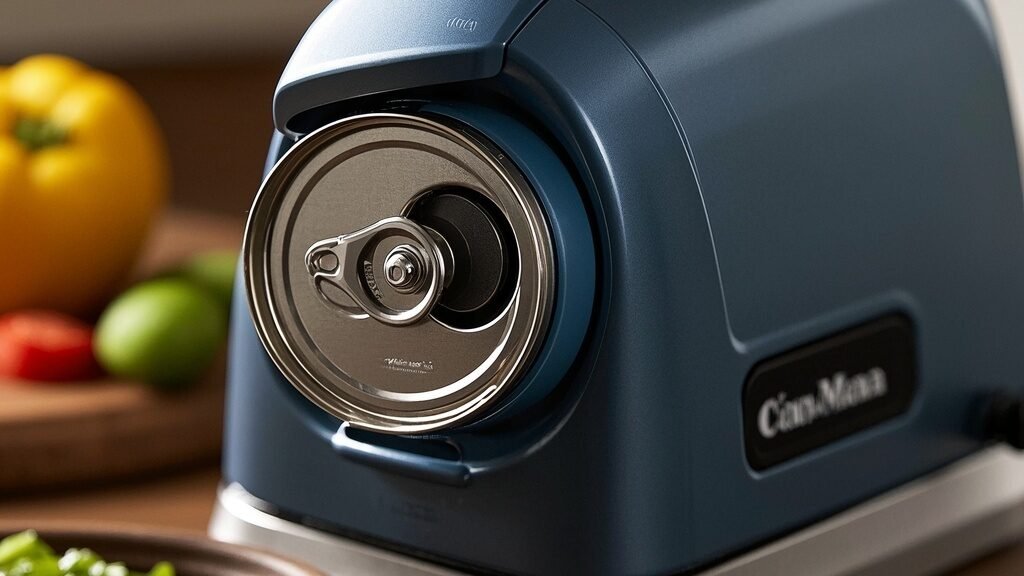
Are Safety Can Openers Easy for Beginners?
Picture this: you’re trying to open a can of soup for a quick lunch, but your hands ache or just don’t have the strength they used to. The old can opener slips, the lid is dangerously sharp, and frustration mounts. This common kitchen struggle is precisely why safety can openers were invented. For beginners, seniors, or anyone with arthritis or limited hand strength, the right tool can transform a daunting task into a simple, safe one. A safety can opener is designed not just to open cans, but to do so in a way that prioritizes user safety and ease above all else.
Unlike traditional openers that leave jagged, exposed metal edges, these specialized tools cut from the side, leaving a perfectly smooth rim. They often require minimal grip strength and leverage, making them ideal for those with weak hands. The question isn’t just about ease for beginners; it’s about reclaiming independence and confidence in the kitchen. Let’s explore how these devices work and why they might be the perfect kitchen upgrade.
What Makes a Can Opener “Safe” and Easy to Use?
The core innovation of a safety can opener lies in its cutting mechanism and design philosophy. While a standard opener pierces the top and cuts inward, a safety model typically cuts under the rim, sealing the sharp edge inside the lid’s channel. This one feature eliminates the number one hazard: cutting yourself on a freshly opened can.
Key Ease-of-Use Features: For beginners and users with physical limitations, several design elements are crucial. Electric models require only the push of a button, removing the need for hand-cranking entirely. Even manual safety openers often feature large, ergonomic knobs that are easy to grip and turn with minimal force. Many have extra-long handles to provide better leverage, reducing the strain on arthritic joints. The best models are also simple to attach to the can—often with a magnetic guide or an automatic grip—so you don’t have to fight to get it aligned correctly.
This thoughtful engineering directly addresses the pain points of weak hands and limited mobility. The operation becomes a smooth, guided process rather than a test of strength and dexterity. In our testing, a well-designed safety opener feels intuitive almost immediately, which is the hallmark of a tool perfect for a beginner.
Choosing the Right Opener for Weak Hands and Arthritis
Not all safety can openers are created equal, especially when considering specific needs like arthritis or significantly reduced grip strength. Your primary choice will be between electric and manual assisted models.
Electric Safety Can Openers: This is often the top recommendation for maximum ease. Operation is literally one-handed: place the opener on the can, press down, and press a button. The machine does all the work, cutting smoothly around the rim and usually lifting the lid off magnetically. It requires zero grip strength, zero twisting, and minimal pressure. For seniors with severe arthritis or very weak hands, an electric model is the clear path to pain-free independence.
Manual Lever-Style Openers: These are excellent for those who prefer a non-electric tool or have moderate hand weakness. Instead of a small crank, they use a long lever. You squeeze the handles together, which requires a different, often easier motion than twisting a knob. The cutting is powerful and quick, usually in one or two squeezes. Look for models with padded, oversized handles that are comfortable even for sensitive hands.
When selecting, consider weight and stability. A heavier base on an electric model prevents slipping. For manual ones, ensure the grips are truly non-slip and the mechanism engages easily without a hard press.
Practical Tips for Safe and Independent Can Opening
Having the right tool is step one. Using it effectively and safely is step two. Here are some practical tips tailored for elderly users or beginners.
Setup and Stability: Always operate your can opener on a clean, dry, and stable countertop. For electric models, ensure the cord is out of the way to prevent pulling. If standing is difficult, perform the task seated at a sturdy table. Good lighting is essential to see the alignment clearly.
Routine Maintenance for Ease: A clean opener is an easy-to-use opener. Food particles and moisture can gum up the cutting wheel and gears, making the opener harder to turn. Regularly wipe down your opener, especially the cutting mechanism, and ensure it’s dry. For manual models, a very occasional drop of mineral oil on the moving parts (following the manufacturer’s instructions) can keep the action smooth.
Lid and Can Disposal: Even with a safety opener, the detached lid can have a thin edge. Use the opener’s magnet to remove it, or tip the lid into the can before emptying. When disposing of the can, consider using a can crusher to save space and reduce the risk of accidental contact with the inner rim when handling recycling.
Important Safety Considerations for Senior Users
While safety can openers drastically reduce risk, mindful practices are still important, particularly for those with reduced sensation or slower reflexes.
First, always inspect the can before opening. Avoid cans that are severely dented, bulging, or rusted, as they may be compromised. Second, even though the rim is smooth, wash it after opening if the food inside will be stored in the can, as dust or particles from the opening process could contaminate it. Never store food in an opened can in the refrigerator; transfer it to a sealed container.
For users with conditions like neuropathy, where feeling in the fingertips is diminished, the smooth rim is a major benefit, but care should still be taken when handling the can body itself. Using a clean kitchen towel to hold the can can provide a more secure grip and an extra layer of protection.
Who Should Consider a Safety Can Opener?
If the simple act of opening a can has become a source of frustration, pain, or anxiety, a safety can opener is more than just a convenience—it’s a tool for maintaining kitchen independence. They are exceptionally easy for beginners of any age to learn, but they are specifically transformative for seniors managing arthritis, weak hands, or limited mobility. By removing the need for strong grips and twisting motions, and by eliminating dangerous sharp edges, these openers turn a hazardous chore into a safe, simple task.
Find the perfect can opener for your needs below and take the first step toward easier, safer meals!
Related Guides:
- Best Rated Can Openers 2026 (All Categories)
- Best Can Opener for Seniors with Weak Grip (2026 Top Picks)
- Best Can Opener for Arthritis Patients (2026 Pain-Free Picks)
- Best Can Opener for Stroke Survivors (2026 Easy-Use Picks)
- Best Electric Can Opener (2026 Top-Rated Automatic Models)
- Best Hands-Free Can Opener (2026 No-Grip Effort Models)
- Best Manual Can Opener (2026 Ergonomic Low-Effort Models)
- Best Sharp-Edge-Free Can Opener (2026 Safe No-Cut Models)