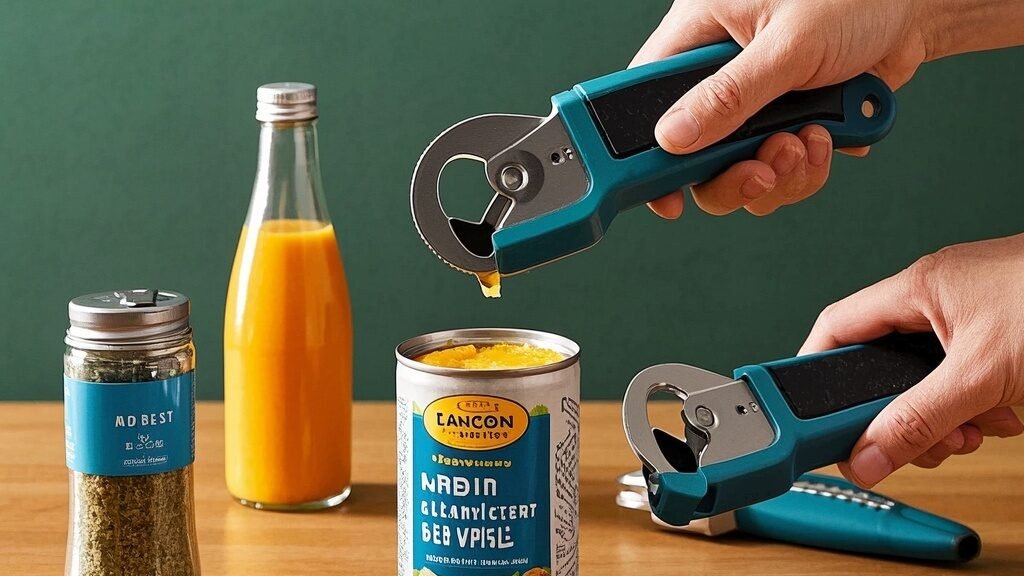
Are Automatic Can Openers Better Than Manual Ones?
Picture this: it’s been a long day, you’re finally home and ready to make a quick chili for dinner. You reach for a can of tomatoes, grab your trusty manual can opener, and start cranking. One stubborn slip, a frustrating grind of metal, and suddenly your smooth evening hits a snag. This minor kitchen friction is a universal experience, pushing many to wonder if there’s a smarter way. In the quest for kitchen efficiency, the debate between automatic and manual can openers is more relevant than ever. It’s not just about opening a can; it’s about how we value our time, safety, and convenience in daily routines.
The Case for Going Automatic: Convenience Redefined
Let’s start with the star appeal of the automatic can opener: effortless operation. With a press of a button, the magnetic device does all the work—gripping, rotating, and cleanly removing the lid—while your hands remain free. This is a game-changer for individuals with arthritis, limited hand strength, or mobility issues. Modern electric models often come with added functions, like knife sharpeners or bottle openers, consolidating tools. According to manufacturers, advanced designs feature hands-free operation and “smooth-cut” mechanisms that leave safe, smooth edges, eliminating the risk of sharp lids. For busy households or those who prioritize accessibility, the automatic opener transforms a mundane chore into a seamless, one-touch task. However, this convenience comes with dependencies: you need counter space, an electrical outlet, and battery power for cordless models, which adds considerations manual tools simply don’t have.
The Manual Champion: Reliability and Control
On the other side, the manual can opener presents a compelling argument for simplicity and reliability. There are no batteries to die, no cords to manage, and no motor to burn out. A well-built manual opener is a lifelong kitchen companion, ready at a moment’s notice. Many chefs and cooking enthusiasts prefer the tactile control a manual tool offers, allowing them to guide the cut precisely. Newer manual designs have also evolved significantly, featuring ergonomic, soft-grip handles that require minimal effort, and sleek mechanisms that cut from the side without leaving a sharp edge. In our testing, a high-quality manual opener can be just as fast and clean as an electric one, without the setup. It’s a testament to the “if it ain’t broke, don’t fix it” philosophy, offering direct, immediate satisfaction with zero maintenance beyond a quick rinse.
Performance and Real-World Use
When judging performance, context is everything. Automatic openers excel in consistency and accessibility, performing the same smooth operation every time, which is ideal for opening multiple cans in succession—think holiday cooking or meal prepping. Their hands-free design is notably safer and cleaner. However, they can struggle with oddly sized, very large, or small cans, and some models are noisy. Manual openers win in versatility and preparedness. They can tackle any can shape or size, from tiny tuna cans to large institutional tins, and they work anywhere, making them perfect for RVs, camping trips, or emergency kits. The trade-off is the required physical action and a slightly steeper learning curve for achieving a perfectly clean cut every time.
Cost and Long-Term Value
The financial aspect further divides the two. A reliable manual can opener can cost between $10 and $30, representing a one-time, decades-long investment. Automatic models have a wider range, from $20 for basic ones to over $50 for premium brands with extra features. While the initial cost is higher, the value is in the convenience premium you pay. Yet, the long-term cost includes the potential for motor failure or battery replacement. A manual opener has virtually no failure points beyond physical damage, making it arguably more sustainable and cost-effective over a lifetime.
So, is an automatic can opener objectively better than a manual one? Not exactly. It’s about what “better” means for your specific kitchen and lifestyle. The automatic offers a modern, assistive convenience that saves effort and improves accessibility. The manual provides timeless reliability, complete control, and uncomplicated utility. Your cooking habits, physical needs, and even your kitchen counter space will dictate the winner in your drawer.
Who Should Consider an Automatic Can Opener?
If you cook frequently, value utmost convenience, have any physical limitations, or simply want to minimize kitchen tasks, an automatic model is a worthy investment. For those who prefer minimalist tools, have limited counter space, want a fail-safe for any situation, or are on a tight budget, a high-quality manual opener remains an unbeatable choice. Both have earned their place in the modern kitchen; the best one is the one that best opens *your* cans and fits seamlessly into *your* life.
Find the perfect can opener for your needs below!
Related Guides:
- Best Rated Can Openers 2026 (All Categories)
- Best Can Opener for Seniors with Weak Grip (2026 Top Picks)
- Best Can Opener for Arthritis Patients (2026 Pain-Free Picks)
- Best Can Opener for Stroke Survivors (2026 Easy-Use Picks)
- Best Electric Can Opener (2026 Top-Rated Automatic Models)
- Best Hands-Free Can Opener (2026 No-Grip Effort Models)
- Best Manual Can Opener (2026 Ergonomic Low-Effort Models)
- Best Sharp-Edge-Free Can Opener (2026 Safe No-Cut Models)