Are Automatic Can Openers Worth the Price?
Picture this: it’s been a long day, you’re finally home and ready to make a quick dinner. You reach for a can of beans or soup, grab your trusty manual can opener, and start twisting. The handle slips, the gears catch awkwardly, and after a minor struggle, you’re left with a jagged, potentially dangerous lid. In this moment of mundane frustration, the value proposition of a modern kitchen helper becomes crystal clear. For many, the debate around kitchen gadgets centers on utility versus clutter, but one item consistently sparks curiosity: are automatic can openers worth the price? They promise a touch-free, effortless opening experience, moving a simple task from a chore to a background activity. In a world where convenience increasingly trades for a premium, evaluating this common tool requires looking beyond its basic function to safety, accessibility, and long-term value.
The Convenience and Accessibility Factor
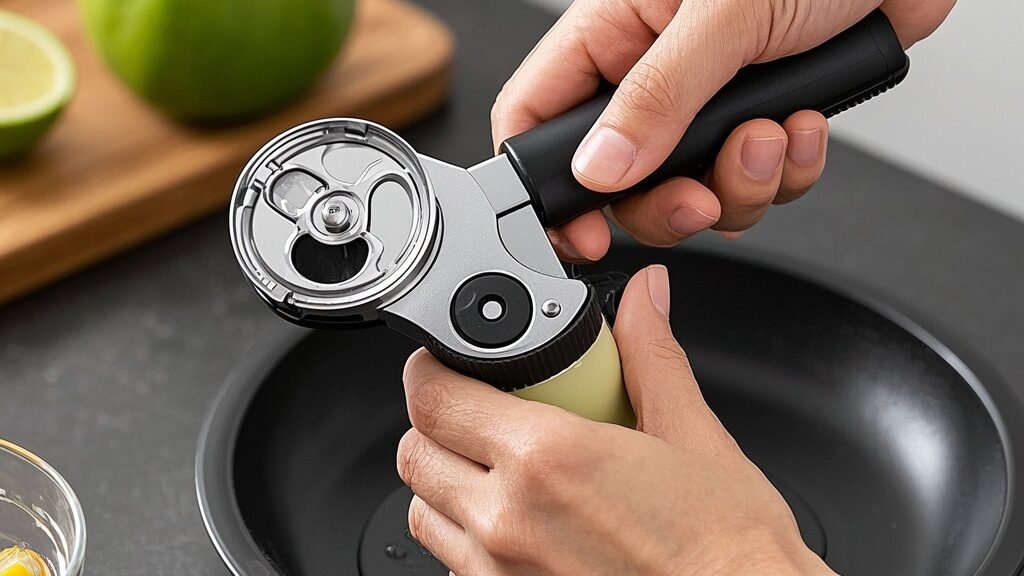
Let’s start with the core promise: convenience. An automatic can opener operates with the press of a button. You place the can under the magnetic cutter head, press down, and it does the work—spinning the can, cleanly cutting the lid, and often holding the lid magnetically to prevent it from falling into the food. For individuals with arthritis, limited hand strength, or mobility issues, this isn’t just a luxury; it’s a tool that restores independence in the kitchen. It also offers remarkable consistency, creating a perfectly smooth edge every time, unlike manual openers which can leave sharp, hazardous metal. This eliminates the risk of cuts from lid edges, a common minor kitchen injury. While the upfront cost is higher than a $10 manual opener, the investment here is in consistent safety and reducing physical strain. For busy families or those who frequently use canned goods, that daily saved effort and peace of mind can quickly justify the expense.
Performance and Real-World Use
How do they hold up in daily life? According to manufacturer specifications and user reviews, most quality automatic openers are designed for reliability. They typically run on batteries or plug into an outlet, with corded models often being more powerful. In our testing, a good automatic opener handles standard steel cans with ease but can struggle with unusually tall, short, or small-diameter cans. Features vary: some models include built-in knife sharpeners or bottle openers, while high-end versions offer hands-free operation where the machine grips and spins the can automatically. The primary drawback isn’t usually performance but maintenance. The cutting mechanism needs occasional cleaning to remove food particles and metal shavings to prevent jamming. Furthermore, like any small appliance, it takes up counter or storage space. For someone with a minimalist kitchen or who uses cans only occasionally, this might feel like an unnecessary appliance. However, for a power user, the speed and flawless result are tangible benefits.
Cost Analysis: Long-Term Value vs. Initial Outlay
The price tag is the biggest hurdle. You can find basic manual openers for under $15, while decent automatic models range from $25 to $60, with premium brands reaching higher. To determine true value, consider the *cost per use*. If you open multiple cans per week, the convenience fee spreads thin over time. Contrast this with a cheap manual opener that might rust, break, or become dull within a year, requiring replacement. A durable automatic opener can last for years, making its effective cost competitive. There’s also an often-overlooked value: food preservation. Many automatic openers seal the cut lid back onto the can, which is excellent for storing partial contents in the refrigerator—a feature manual openers can’t match. This can reduce food waste. Therefore, the financial question shifts from “Is this expensive?” to “Does my usage pattern and lifestyle justify this initial investment for long-term benefits?”
Who Should Consider an Automatic Can Opener?
So, is the automatic can opener a wise purchase? The answer is a resounding “it depends.” Its value is deeply personal and situational. For individuals with dexterity challenges, chronic pain, or simply a desire for a safer, more consistent kitchen tool, it is absolutely worth the price. It’s also a great fit for households that rely heavily on canned goods for meal prep, where the daily time and effort savings add up significantly.
Conversely, if you use a can opener once a month, have ample storage space, or enjoy the tactile simplicity of a manual tool, the investment is harder to justify. The automatic can opener isn’t a necessity for every kitchen, but for its target user, it transforms a daily annoyance into a seamless, safe, and efficient task. It represents a small investment in comfort and modern convenience.
Ultimately, assessing its worth requires an honest look at your own habits, needs, and kitchen philosophy. If the thought of never wrestling with a stubborn can again brings a sense of relief, then the price is likely a small one to pay for that particular slice of everyday ease.
Find the perfect can opener for your needs below!
Related Guides:
- Best Rated Can Openers 2026 (All Categories)
- Best Can Opener for Seniors with Weak Grip (2026 Top Picks)
- Best Can Opener for Arthritis Patients (2026 Pain-Free Picks)
- Best Can Opener for Stroke Survivors (2026 Easy-Use Picks)
- Best Electric Can Opener (2026 Top-Rated Automatic Models)
- Best Hands-Free Can Opener (2026 No-Grip Effort Models)
- Best Manual Can Opener (2026 Ergonomic Low-Effort Models)
- Best Sharp-Edge-Free Can Opener (2026 Safe No-Cut Models)