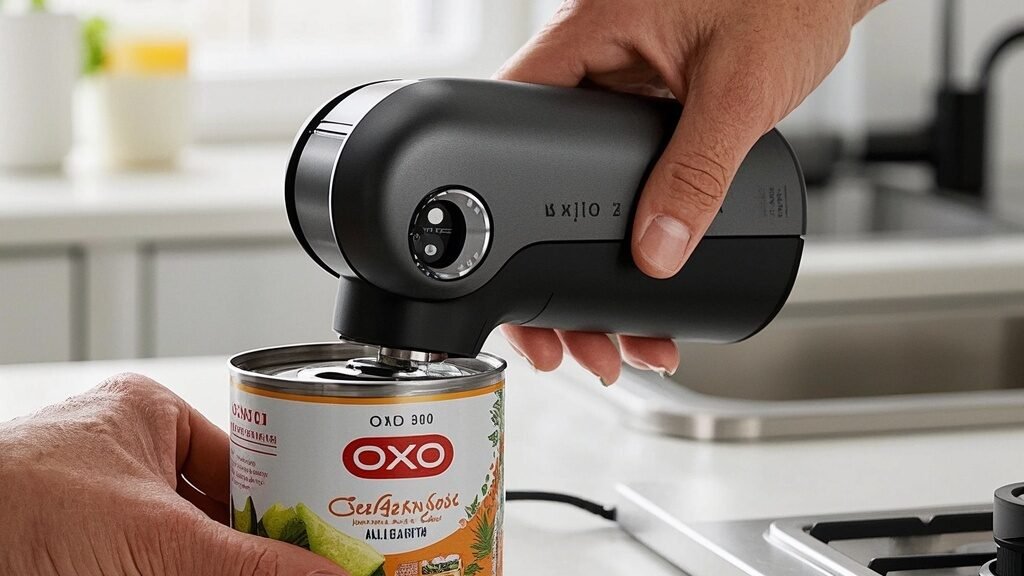
Are electric can openers good for arthritis?
Imagine a simple kitchen task that becomes a daily source of frustration and pain. Your favorite soup or beans are locked away in a tin can, and the thought of wrestling with a manual opener—gripping, twisting, applying pressure—makes your hands ache before you even begin. For millions living with arthritis, this isn’t a hypothetical scenario; it’s a frequent reality that turns meal preparation into a challenge. The quest for tools that restore independence and reduce strain is constant, and one common question arises: Are electric can openers good for arthritis? The answer, based on ergonomic design and user experience, is a resounding yes, but with important nuances to consider.
How Electric Can Openers Reduce Joint Strain
The primary benefit of an electric can opener for arthritic hands is the drastic reduction in required force and grip strength. A manual opener demands a firm, sustained grip to clamp onto the can, followed by a continuous twisting motion that stresses the joints in the fingers, thumb, wrist, and even the elbow. This repetitive motion can exacerbate pain, stiffness, and inflammation. In contrast, an electric model does the heavy lifting. You typically only need to position the can and press a button. The motor drives the cutting mechanism, requiring minimal physical effort from the user. This can transform a painful task into a simple, one-touch operation, conserving precious energy and reducing the risk of pain flare-ups. It’s a classic example of using technology to bridge the gap between ability and task, restoring a sense of ease in the kitchen.
Key Features to Look For: Beyond Just Being Electric
Not all electric can openers are created equal, especially when prioritizing arthritis-friendly design. When evaluating options, focus on these key features. First, ergonomic design is crucial. Look for models with large, soft-touch buttons that are easy to press without precision. A lightweight body that’s comfortable to hold and maneuver is also important. Second, consider the automation level. The most helpful models are fully automatic: they magnetically hold and rotate the can from start to finish, so you don’t have to hold the can or the opener itself during the process. This is a game-changer for severe hand weakness. Third, look at safety and ease of use. Features like automatic shut-off, a built-in knife sharpener (to keep other tools usable), and easy-to-clean components with minimal parts reduce frustration and physical demand. A model that leaves a smooth, safe lid edge is also a significant safety plus.
Potential Drawbacks and Practical Considerations
While the advantages are significant, a balanced view is essential. Electric can openers require counter space and access to a power outlet, which might not suit very compact kitchens. They are also more expensive than manual options and have more parts that could potentially malfunction over time. Some users find certain models noisy or slower than a swift manual turn. It’s also vital to manage expectations: an electric opener alleviates the specific pain of gripping and twisting, but you still need to lift cans, press buttons, and handle the appliance. For individuals with very limited strength or dexterity, even these remaining steps might require adaptation. Therefore, it’s wise to read reviews and, if possible, test a model for its button resistance and overall handling to ensure it matches your specific needs.
Who Should Consider an Electric Can Opener?
For individuals with arthritis, particularly osteoarthritis or rheumatoid arthritis affecting the hands, wrists, or shoulders, an electric can opener is more than a convenience—it’s an assistive device that promotes independence and reduces daily pain. It is highly recommended for those who experience stiffness, weakness, or pain when performing pinching or twisting motions. It’s also an excellent tool for anyone with reduced grip strength due to other conditions or aging. While it may seem like a single tool, its impact on simplifying kitchen tasks and improving quality of life can be substantial. By removing a common source of pain, it helps make the kitchen a more accessible and enjoyable space.
Ultimately, the value of an electric can opener for arthritis lies in its ability to offload mechanical stress from vulnerable joints. It turns a potentially painful chore into a simple, automated task, aligning perfectly with the goal of joint protection and energy conservation that is central to managing arthritis. If hand pain is making your kitchen less friendly, this tool is a practical and effective investment in your comfort and autonomy.
Find the perfect can opener for your needs below!
Related Guides:
- Best Rated Can Openers 2026 (All Categories)
- Best Can Opener for Seniors with Weak Grip (2026 Top Picks)
- Best Can Opener for Arthritis Patients (2026 Pain-Free Picks)
- Best Can Opener for Stroke Survivors (2026 Easy-Use Picks)
- Best Electric Can Opener (2026 Top-Rated Automatic Models)
- Best Hands-Free Can Opener (2026 No-Grip Effort Models)
- Best Manual Can Opener (2026 Ergonomic Low-Effort Models)
- Best Sharp-Edge-Free Can Opener (2026 Safe No-Cut Models)