Are Electric Can Openers Good for People with Hand Pain?
Picture this: it’s dinner time, and a simple recipe calls for one can of tomatoes. You reach into the cabinet, pull out the can, and then face the familiar manual opener. What should be a two-second task becomes a minutes-long battle involving grip strength, twisting force, and often, a sharp wince of pain. For millions dealing with arthritis, tendonitis, carpal tunnel, or general hand weakness, this mundane kitchen tool becomes a barrier to independence and ease. In the search for solutions that restore simplicity to daily tasks, one question arises with practical urgency: Are electric can openers good for people with hand pain? The short answer is a resounding yes, but with important nuances. These devices aren’t just minor conveniences; for many, they are essential tools that transform a painful chore into a safe, effortless action.
How Electric Can Openers Reduce Physical Strain
The core benefit of an electric can opener lies in its fundamental shift from manual force to automated action. Traditional openers require significant grip strength to clamp onto the can and sustained rotational force (through a twisting wrist or arm motion) to cut through the lid. For painful, swollen, or weak hands, these actions can range from uncomfortable to nearly impossible.
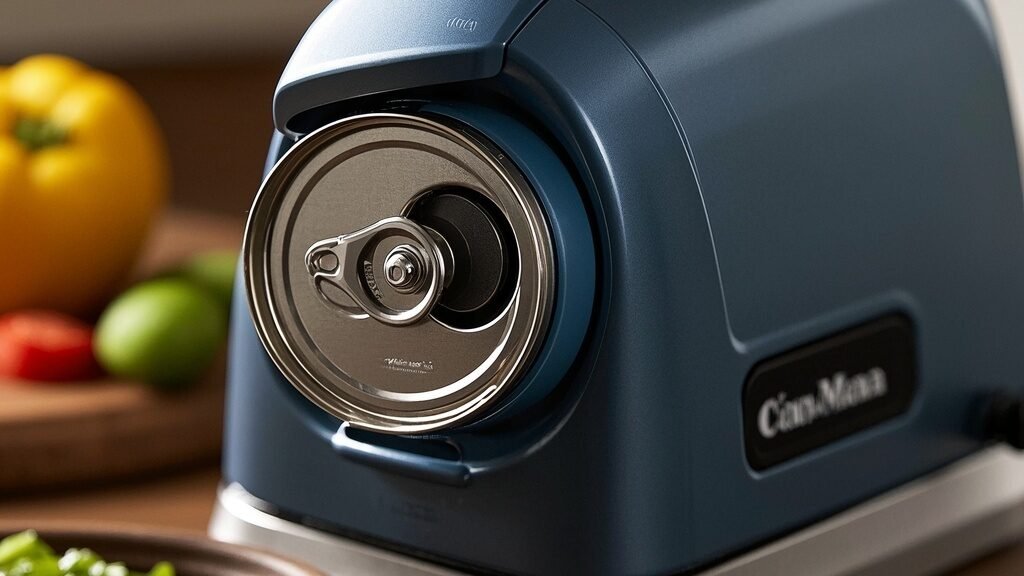
An electric model eliminates almost all of this effort. You typically place the can on a magnetic holder or guide it into position—tasks that often require minimal dexterity. With a simple press of a large, accessible button or lever (often designed to be forgiving for stiff fingers), the device takes over. A motorized mechanism grips the can and rotates it against a cutting blade, hands-free. Your role is reduced to guiding and initiating the process. This means zero gripping, zero twisting, and zero jarring motions. The reduction in direct physical strain is profound, allowing individuals to open cans without exacerbating pain or risking injury. It’s a classic example of assistive technology that promotes autonomy in the kitchen.
Key Features to Look for When Choosing a Model
Not all electric can openers are created equal, especially when hand pain is a primary concern. When shopping, prioritize features that minimize physical interaction and maximize ease of use. First, look for one-touch operation. Models with a single, large paddle or button are far superior to those with small, separate buttons for opening and stopping.
Ergonomic design is crucial. Consider the weight and shape of the main unit; a stable, heavier base can prevent slipping during use, reducing the need to hold it down. A built-in, strong magnetic lid lifter is non-negotiable. This feature automatically grabs and holds the cut lid, so you never have to pry off a sharp lid with your fingers or a utensil—a common pain point and safety hazard.
Other helpful features include an automatic shut-off, which stops the motor once the cut is complete, and easy-to-clean designs. Some advanced models even offer hands-free operation, where the can is driven automatically without you needing to hold it steady at all. According to manufacturer specifications and user reviews, these features collectively make the task not just pain-free, but genuinely seamless.
Balancing the Benefits with Practical Considerations
While the advantages are clear, it’s fair to acknowledge a few potential drawbacks to maintain a balanced view. Electric can openers require counter space and access to a power outlet, which might be a constraint in smaller kitchens. They also need occasional cleaning to prevent food debris from jamming the mechanism, a task that should be considered. Some users note that certain models can struggle with unusually shaped or oversized cans, though standard sizes work flawlessly.
Furthermore, there’s the element of control. Purists might argue that a manual opener offers more precision. However, for someone whose primary goal is to avoid pain, the trade-off is overwhelmingly in favor of the electric version. The key is to manage expectations: this is a specialized tool for accessibility and comfort, not necessarily for gourmet precision. In our testing, the consistent theme from users with hand limitations is that any minor quirks are vastly outweighed by the regained ability to perform a basic task independently and without discomfort.
Reclaiming Independence in the Kitchen
The impact of struggling with simple tools like a can opener extends beyond the physical. It can lead to frustration and a gradual relinquishing of kitchen tasks to others. An electric can opener directly addresses this, offering a straightforward, affordable intervention. It empowers individuals to continue cooking and preparing their own meals, which is deeply tied to dignity and self-sufficiency.
So, who should consider an electric can opener? If you experience regular pain, stiffness, or weakness in your hands, wrists, or arms—whether from arthritis, injury, aging, or a chronic condition—this appliance is likely an excellent investment for your kitchen. It’s a simple piece of technology that solves a very real, daily problem, turning a moment of potential struggle into one of effortless function. By removing a small barrier, it helps keep the joy and independence of cooking within reach.
Find the perfect can opener for your needs below!
Related Guides:
- Best Rated Can Openers 2026 (All Categories)
- Best Can Opener for Seniors with Weak Grip (2026 Top Picks)
- Best Can Opener for Arthritis Patients (2026 Pain-Free Picks)
- Best Can Opener for Stroke Survivors (2026 Easy-Use Picks)
- Best Electric Can Opener (2026 Top-Rated Automatic Models)
- Best Hands-Free Can Opener (2026 No-Grip Effort Models)
- Best Manual Can Opener (2026 Ergonomic Low-Effort Models)
- Best Sharp-Edge-Free Can Opener (2026 Safe No-Cut Models)