Are Electric Can Openers Good for Weak Grip Strength?
Imagine standing in your kitchen, a simple can of soup in hand. Your wrist aches, your fingers feel stiff, and the thought of wrestling with a manual can opener—twisting, pressing, squeezing—turns a basic task into a daunting challenge. For millions with arthritis, aging-related weakness, or conditions like carpal tunnel, this small daily hurdle is a real and frustrating reality. This is where the practical question becomes vital: are electric can openers good for weak grip strength? The short answer is a resounding yes, but understanding why and how requires a closer look beyond the simple promise of automation. These devices are not just about convenience; for many, they represent a key tool for maintaining independence in the kitchen.
The Core Advantage: Eliminating the Grip-and-Twist Motion
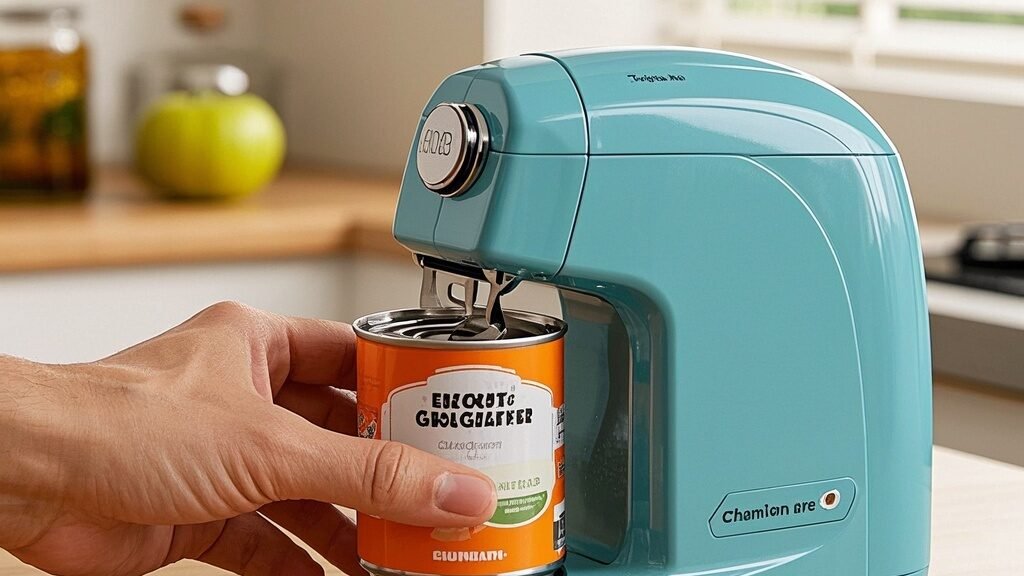
The fundamental weakness of a traditional can opener is its operational demand. It requires simultaneous, sustained force: one hand must firmly grip and press down on a lever, while the other provides the twisting power to rotate the cutter around the rim. This combination of pinch grip, downward pressure, and rotational force is precisely what becomes difficult or painful with weakened hands. An electric can opener completely re-engineers this process. With most models, you simply place the opener onto the can’s lid, align it (often with magnetic guidance), and press a single, large button. The machine does the rest—gripping, cutting, and even lifting the lid away automatically. The user’s physical requirement shrinks from complex force exertion to a simple, single-point activation. This transforms an act of strength into an act of intention, making canned goods accessible again.
Key Features That Make a Real Difference
Not all electric openers are created equal, especially when considering specific needs. When evaluating for weak grip strength, certain features move from “nice-to-have” to essential. First, look for large, easy-to-press buttons. A broad, tactile button requires minimal dexterity or pinpoint pressure. Second, automatic lid lifting is a game-changer. It removes the need to pry off a sharp lid with shaky or weak fingers, enhancing safety. Third, a stable, weighted base is crucial. A unit that stays firmly in place during operation means you don’t have to use your other hand to hold it down, allowing that hand to focus solely on placing the can. Finally, consider ease of cleaning. Models with detachable, dishwasher-safe cutting heads prevent the difficult scrubbing that can strain joints. These design elements collectively address the nuanced challenges of limited hand strength.
Practical Considerations and Potential Drawbacks
While the benefits are significant, an objective view requires acknowledging some limitations. Electric can openers require counter space and an electrical outlet, which might not suit very compact kitchens. They also need occasional cleaning to prevent food jams and ensure hygiene—a task that should be factored into your decision. Some users note that cheaper models can struggle with oddly shaped or very large cans, though premium brands typically handle these better. There’s also the sound of a motor, a low hum that might be noticeable but is generally far less jarring than the struggle with a manual tool. The key is to view these not as deal-breakers, but as trade-offs. You are trading a bit of counter space and maintenance for daily physical relief and regained autonomy. For someone with significant grip issues, this trade-off is almost always worthwhile.
Beyond Opening: Regaining Confidence in the Kitchen
The impact of a well-chosen electric can opener often extends beyond its primary function. It reduces the fear of spills and cuts from slipping manual openers. It lessens the fatigue associated with meal prep, conserving energy for other cooking tasks. For many, it reinstates a sense of capability and control. The psychological barrier of “I can’t open that” disappears, encouraging better nutrition through easier access to canned vegetables, beans, and fish. It’s a small appliance that performs a specific task, but its effect on daily life and self-sufficiency can be profoundly positive. It’s a tool that aligns with universal design principles—beneficial for those with limitations, yet convenient for anyone.
So, who should consider an electric can opener? If you find yourself avoiding canned goods because of hand pain, if a manual opener leaves your wrists sore, or if you simply want a safer, more reliable kitchen tool, an electric model is an excellent investment. It directly addresses the mechanical demands that weak grip strength cannot meet, turning a source of daily frustration into a non-issue. By focusing on models with user-centric features like large buttons and automatic functions, you can find a device that truly bridges the gap between intention and action.
Find the perfect can opener for your needs below! Look for options that prioritize ease of use, safety features, and reliable performance to make your kitchen time both easier and more enjoyable.
Related Guides:
- Best Rated Can Openers 2026 (All Categories)
- Best Can Opener for Seniors with Weak Grip (2026 Top Picks)
- Best Can Opener for Arthritis Patients (2026 Pain-Free Picks)
- Best Can Opener for Stroke Survivors (2026 Easy-Use Picks)
- Best Electric Can Opener (2026 Top-Rated Automatic Models)
- Best Hands-Free Can Opener (2026 No-Grip Effort Models)
- Best Manual Can Opener (2026 Ergonomic Low-Effort Models)
- Best Sharp-Edge-Free Can Opener (2026 Safe No-Cut Models)