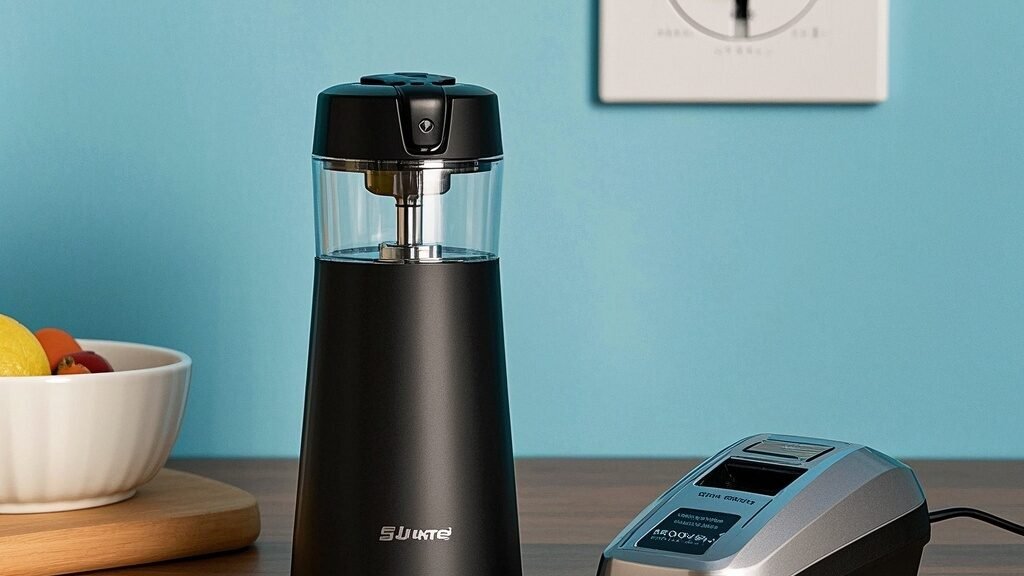
Are Electric Can Openers Hard to Set Up?
Imagine finally deciding to make your kitchen tasks a little easier. You bring home a sleek new electric can opener, picturing effortless meals ahead. But then it sits in the box, surrounded by that vague apprehension that sometimes accompanies small appliances. Will it be a complicated puzzle of parts and confusing instructions? For many, especially seniors or those managing arthritis, this moment of hesitation is real. The good news is, modern electric can openers and their fully automatic cousins are designed with simplicity in mind. Their setup is typically straightforward, often requiring just a few simple steps to go from box to first opened can.
Demystifying the Setup: What to Really Expect
Let’s clear the air immediately. Most electric can openers require minimal assembly, if any. The process is far less daunting than assembling furniture or programming a complex device.
Unboxing and Initial Steps
Typically, you’ll find the main unit, a cutting assembly that might be attached or separate, a removable lid magnet, and the power cord. The primary task is often just attaching the cutting mechanism—usually involving a simple twist-lock or snap-on design—and placing the magnet. The manual will guide you, but it frequently boils down to one or two intuitive actions. No tools are required.
First-Time Use and Alignment
The only “setup” that sometimes causes confusion is the initial alignment. You need to position the can so the cutter wheel pierces the lid at the correct spot, just under the rim. Manufacturers include clear guides or markings on the unit. It might take one practice can to get the feel for it, but after that, it becomes muscle memory. This minor learning curve is a small trade-off for years of effortless opening.
Key Benefits for Seniors and Limited Hand Strength
This simplicity in setup translates directly into daily ease of use, which is where these devices truly shine for their target audience. The struggle with a manual opener—requiring grip strength, wrist torque, and precise pressure—is completely eliminated.
Effortless Operation
With an electric model, you simply place the can, press a lever or button, and the machine does the rest. It cleanly cuts the lid without requiring you to twist or apply force. This is a game-changer for individuals with arthritis, carpal tunnel, or general weakness in their hands. It preserves independence in the kitchen, allowing them to prepare their own meals without assistance or pain.
Safety and Consistency
A significant advantage is safety. Manual openers can slip, creating sharp, jagged edges on the can or lid. Electric openers provide a smooth, consistent cut along the outer rim, leaving a safe, smooth edge on the can itself. Many models also feature a strong magnet that lifts and holds the cut lid, so you never have to touch the sharp metal. This reduces the risk of cuts significantly.
Practical Tips for Choosing and Using Your Opener
To ensure your experience is as hassle-free as promised, a few considerations can make all the difference.
Choosing the Right Model
Look for features that enhance accessibility. A large, easy-to-press button or lever is better than small switches. A model with an automatic stop that shuts off once the cut is complete is safer and more convenient than one you must manually turn off. Consider a cordless electric can opener for maximum countertop flexibility without worrying about outlet placement.
Safety and Maintenance Considerations
Always ensure the opener is unplugged before cleaning. The cutting assembly is usually removable for easy rinsing. Wipe down the main unit with a damp cloth. Never immerse it in water. Periodically check the cutter wheel for food debris or dullness. Most importantly, always supervise its use if there are any concerns about cognitive impairment, as the moving parts and blade are sharp.
Top Product Recommendations for Easy Use
Based on ease of setup, operation, and senior-friendly features, here are two highly-regarded types.
1. The Classic Side-Cutting Electric Opener
Brands like Hamilton Beach and Cuisinart make reliable models. They are often the simplest to set up—literally just plug in. They have large, prominent levers, clear can guides, and strong lid magnets. They are workhorses that handle standard cans with zero fuss.
2. The Fully Automatic “Hands-Free” Opener
This is the pinnacle of convenience. You place the can on a platform, and it automatically senses and clamps it, cuts the lid, lifts it with a magnet, and shuts off. Brands like OXO and Sunbeam excel here. Setup is equally simple, and operation requires the least possible physical interaction—just placing and removing the can. This is an excellent choice for very limited hand strength or dexterity.
So, are electric can openers hard to set up? The answer is a resounding no. Manufacturers have streamlined the process to be almost instantaneous. The real question is about the freedom they provide after those first two minutes. They transform a daily challenge into a simple, safe task.
Who Should Consider an Electric Can Opener? Anyone who finds manual openers difficult, painful, or frustrating—particularly seniors, individuals with arthritis, reduced grip strength, or hand tremors. It’s a small investment for significant daily comfort and safety. Find the perfect can opener for your needs below!
Related Guides:
- Best Rated Can Openers 2026 (All Categories)
- Best Can Opener for Seniors with Weak Grip (2026 Top Picks)
- Best Can Opener for Arthritis Patients (2026 Pain-Free Picks)
- Best Can Opener for Stroke Survivors (2026 Easy-Use Picks)
- Best Electric Can Opener (2026 Top-Rated Automatic Models)
- Best Hands-Free Can Opener (2026 No-Grip Effort Models)
- Best Manual Can Opener (2026 Ergonomic Low-Effort Models)
- Best Sharp-Edge-Free Can Opener (2026 Safe No-Cut Models)