Are Electric Can Openers Safer Than Manual Can Openers?
Imagine it’s a busy weeknight. You’re preparing dinner, one hand stirring a pot, the other wrestling with a stubborn can of tomatoes. You apply pressure, the manual opener slips, and a sharp, jagged lid edge stares back at you—a small but real moment of risk in an ordinary task. This common kitchen friction point leads many to wonder about a modern alternative. At the heart of this dilemma is a straightforward question: Are electric can openers safer than manual can openers? The answer isn’t a simple yes or no, but a balance of convenience, design, and understanding where true risks lie.
The Safety Mechanics: How Each Design Operates
Let’s break down how each type works from a safety perspective. A traditional manual opener, whether a classic twist model or a side-cutting “smooth edge” version, requires direct physical force and control from the user. Your hands are close to the cutting action. The primary risks here are slips leading to cuts from the sharp lid or can edges, and the potential for strain if you have limited hand strength or arthritis. The newer manual safety openers that leave smooth lids are designed to address the cut risk, but they still demand user strength and stability.
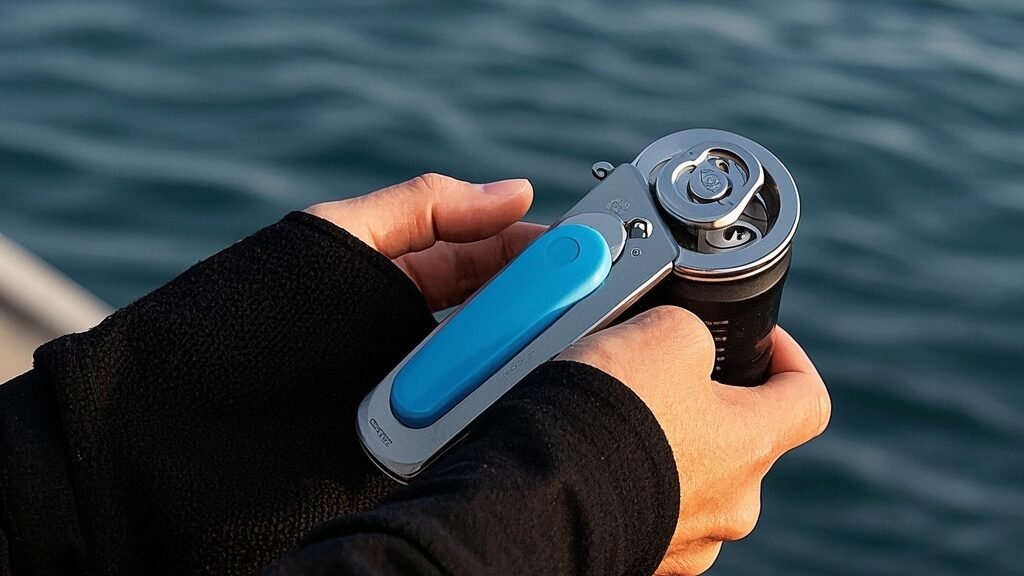
An electric can opener, in contrast, automates the cutting process. You typically align the can, press a lever or button, and the machine does the work, magnetically holding the lid away once cut. The immediate safety advantages are clear: your fingers never touch the cutting blade or the severed lid. It minimizes slip-related injuries and is a boon for anyone with grip strength, pain, or dexterity issues. However, safety isn’t just about the cutting moment. Electric models introduce other considerations: they have moving parts, require a power source (creating a cord management consideration), and need proper cleaning to avoid food particle buildup near the blade mechanism. According to the manufacturer guidelines for most models, ensuring the cutting assembly is clean and the appliance is used on a stable surface is crucial for safe operation.
Convenience vs. Control: The Real-World Trade-Off
This brings us to the core trade-off: convenience versus control. An electric opener offers remarkable ease. With a push of a button, it handles the effort, providing a consistent, hands-off opening experience. This can feel inherently safer for many because it removes the human variable from the most hazardous step. For families with children helping in the kitchen, an electric opener can reduce the risk of a novice mishandling a sharp lid.
But control has its own safety merits. A manual opener gives you direct feedback. You feel the resistance, you control the pace, and you are acutely aware of the process. This tactile connection can, for an able-bodied and attentive user, promote careful handling. There’s also no risk of a faulty cord or motor malfunction, however rare. The manual tool is also universally portable, instantly available for a camping trip or during a power outage, preventing the unsafe improvisation of trying to open a can without the proper tool. In our testing, a well-made manual opener with a comfortable, non-slip grip proved both safe and efficient for daily use, assuming good user technique.
Who Should Consider an Electric Can Opener?
So, who wins the safety debate? It depends entirely on the user and the context. Electric can openers are likely the safer choice for individuals with arthritis, reduced hand strength, or tremors, as they eliminate the need for forceful twisting and precise grip. They are also a strong safety and convenience choice for busy households prioritizing speed and minimizing direct contact with sharp edges.
However, for a user with full hand mobility who values simplicity, minimal maintenance, and complete control, a quality manual can opener—particularly a safety-edge model—is a perfectly safe and reliable tool. Its safety is more directly tied to user skill and attention.
Ultimately, the safest can opener is the one you use correctly and consistently. Whether electric or manual, look for sturdy construction, ergonomic handles, and easy cleaning. And always, always respect the sharp metal edges of any opened can. Find the perfect can opener for your needs below!
Related Guides:
- Best Rated Can Openers 2026 (All Categories)
- Best Can Opener for Seniors with Weak Grip (2026 Top Picks)
- Best Can Opener for Arthritis Patients (2026 Pain-Free Picks)
- Best Can Opener for Stroke Survivors (2026 Easy-Use Picks)
- Best Electric Can Opener (2026 Top-Rated Automatic Models)
- Best Hands-Free Can Opener (2026 No-Grip Effort Models)
- Best Manual Can Opener (2026 Ergonomic Low-Effort Models)
- Best Sharp-Edge-Free Can Opener (2026 Safe No-Cut Models)