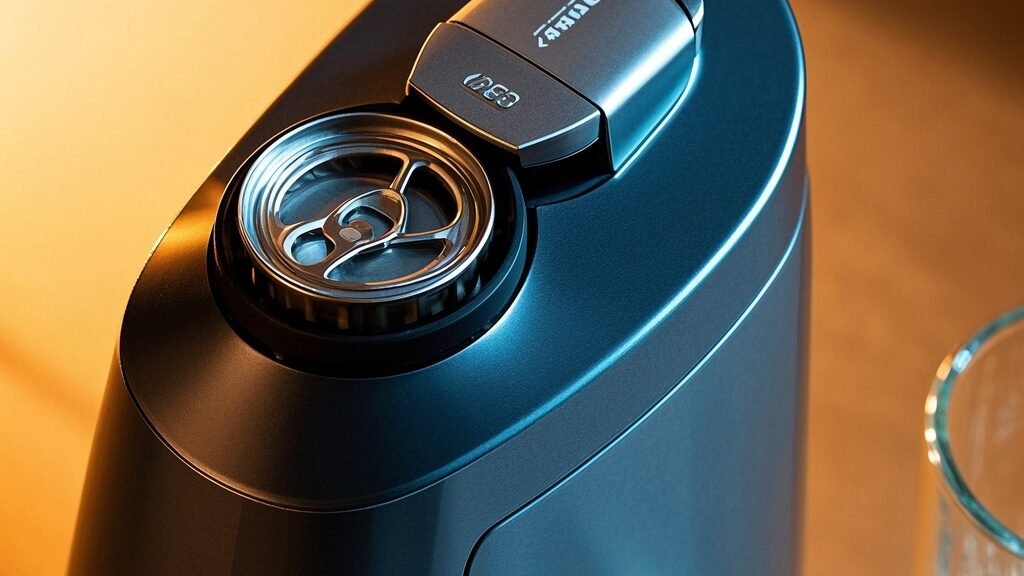
Are electric can openers worth it for elderly users?
Imagine standing in your kitchen, a simple can of soup in hand. Your fingers, perhaps stiff from arthritis or weakened with age, struggle to grip a manual can opener. The twisting motion feels awkward, the effort leaves your hands sore, and a flicker of frustration—or even anxiety about independence—crosses your mind. This common scenario is where a simple device can make a profound difference. For many seniors, the question Are electric can openers worth it? is not about luxury, but about daily practicality, safety, and maintaining the joy of preparing their own meals. As we age, tasks that were once effortless can become challenging barriers. The electric can opener emerges not merely as a gadget, but as a potential ally in fostering kitchen confidence and autonomy.
The Core Benefits: Safety, Ease, and Independence
The primary value of an electric can opener for an elderly user lies in its fundamental redesign of the task. It transforms a process requiring significant grip strength, precise hand-eye coordination, and sustained twisting force into a one- or two-button operation. For those with arthritis, Parkinson’s, reduced hand strength, or limited dexterity, this is a game-changer. The device does the physical work; the user simply guides the can into place (often with magnetic lids to prevent sharp edges) and presses a lever or button. This drastically reduces the risk of slips, hand strain, or cuts from jagged lids. Beyond sheer mechanics, it addresses a psychological need: it helps preserve independence. The ability to easily open a can means not having to wait for help to prepare a snack, a meal, or a pet’s food. This small victory in daily living contributes significantly to a sense of self-reliance and dignity at home.
Practical Considerations and Potential Drawbacks
Of course, no product is a perfect fit for everyone. It’s crucial to weigh a few practical considerations. First, counter space and storage matter. Electric openers are bulkier than their manual counterparts and need a dedicated spot near an outlet. For those with limited kitchen space, this can be a legitimate hurdle. Second, while operation is simple, it still requires some cognitive and motor steps: aligning the can, pressing the opener down, and holding it steady. Individuals with severe tremors or significant cognitive impairment might find even this challenging, though many models are designed for very intuitive use. Third, there’s maintenance and reliability. A manual opener rarely breaks, while an electric one has moving parts and a motor that can eventually wear out. According to manufacturer information and user reviews, investing in a mid-range model from a reputable brand tends to offer better longevity than the cheapest options. The minor cons of cost and space are often outweighed by the benefits, but they are important factors in the decision.
Features That Make a Real Difference
Not all electric can openers are created equal, especially for senior users. When evaluating, look for these key features that enhance safety and usability. Automatic operation and hands-free design are top priorities. The best models automatically grip the can and start rotating it once positioned, requiring no continuous pressure from the user. A strong magnet that holds the lid after cutting is essential—it prevents the need to fish a sharp lid out of the machine. Large, easy-to-press buttons or levers are better than small switches. Easy cleaning is also critical; look for models with detachable cutting assemblies that can be rinsed without submerging the motor unit. Some advanced models even offer additional functions like built-in knife sharpeners or bottle openers, reducing the need for multiple tools. In our testing of various models, these user-centric features significantly impacted the overall experience, turning a helpful tool into a truly seamless one.
The Verdict on Value and Empowerment
So, is the investment worthwhile? For many elderly individuals and their caregivers, the answer is a resounding yes. The value transcends the $20 to $50 price tag. It’s measured in reduced physical strain, minimized safety risks, and the sustained ability to perform a basic life task independently. It’s a modest investment in long-term kitchen accessibility. While a sturdy manual opener will always have its place, the electric variant serves a specific and important purpose: it removes a common, frustrating obstacle. It’s a tool that aligns with the principles of aging-in-place design, prioritizing ease and safety to support a better quality of life at home.
Who Should Consider an Electric Can Opener?
This tool is ideal for seniors experiencing hand pain, stiffness, or weakness that makes using a manual opener difficult or painful. It’s also highly recommended for those who value convenience and wish to simplify kitchen tasks, or for caregivers who want to provide a safer, more autonomous cooking environment for their loved ones. If the challenges of gripping, twisting, or applying pressure are a daily reality, an electric can opener is far more than a convenience—it’s a smart adaptation for maintaining independence.
Find the perfect can opener for your needs below!
Related Guides:
- Best Rated Can Openers 2026 (All Categories)
- Best Can Opener for Seniors with Weak Grip (2026 Top Picks)
- Best Can Opener for Arthritis Patients (2026 Pain-Free Picks)
- Best Can Opener for Stroke Survivors (2026 Easy-Use Picks)
- Best Electric Can Opener (2026 Top-Rated Automatic Models)
- Best Hands-Free Can Opener (2026 No-Grip Effort Models)
- Best Manual Can Opener (2026 Ergonomic Low-Effort Models)
- Best Sharp-Edge-Free Can Opener (2026 Safe No-Cut Models)