Are Safety Can Openers Worth Buying?
Imagine the simple act of opening a can of soup becoming a source of anxiety or even pain. For millions of seniors and individuals with arthritis, weak grip strength, or limited hand mobility, this everyday kitchen task can be a frustrating and potentially hazardous challenge. Traditional can openers require significant force, precise wrist action, and often leave sharp edges—a combination that can lead to strain, cuts, and a loss of independence. This is where the specialized world of safety can openers steps in, promising a safer, easier alternative. But do these devices truly live up to their name, or are they just another kitchen gadget? We’re cutting through the marketing to examine if investing in a safety-focused opener is a wise decision for maintaining kitchen autonomy and safety.
What Makes a Can Opener “Safe” for Seniors and Weak Hands?
Not all can openers are created equal, especially when considering the needs of an aging population or those with physical limitations. A true safety can opener for seniors is engineered with specific features that address common points of difficulty.
Key Safety and Ease-of-Use Features:
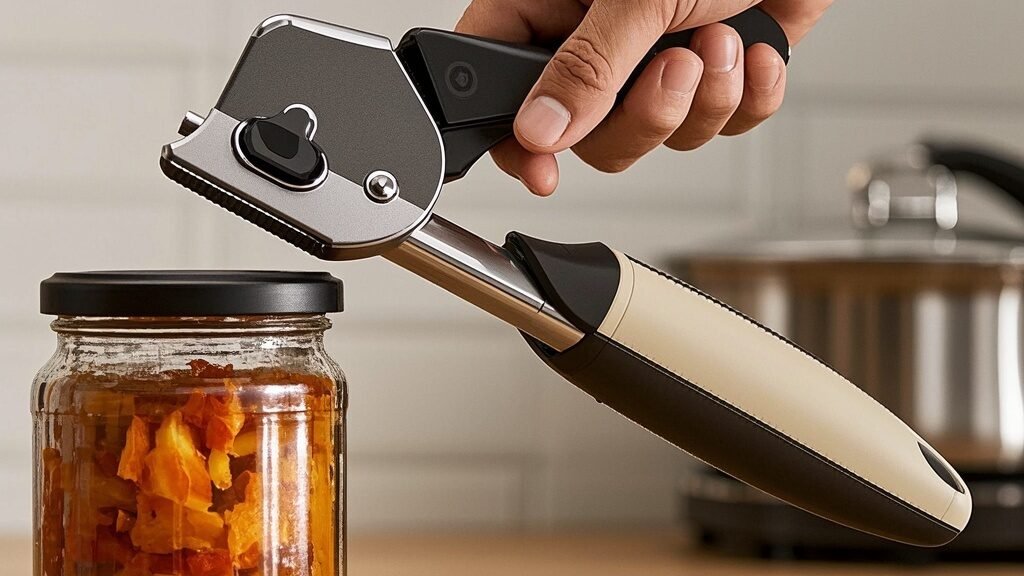
The primary innovation is the cutting mechanism. Many safety models are electric or battery-operated, eliminating the need for hand-cranking entirely. For manual options, look for large, ergonomic handles that require minimal squeezing force. A stable, non-slip base is crucial to prevent the can from spinning. Perhaps the most significant safety feature is a design that leaves a smooth, rolled edge on the lid and the can itself, completely removing the risk of sharp, jagged metal. This combination of features transforms a taxing chore into a simple, one-button or easy-turn task, directly supporting pain-free operation in the kitchen.
Top Benefits: Beyond Just Opening a Can
The value of a well-designed safety can opener extends far beyond its basic function. Its impact on daily life and emotional well-being can be profound.
Promoting Independence and Confidence:
The ability to prepare a meal without assistance is a cornerstone of independent living. A reliable, easy-to-use can opener empowers individuals to access nutritious canned foods—like vegetables, beans, and fish—without waiting for help. This fosters a sense of capability and control. Furthermore, by removing the physical struggle, it reduces frustration and makes cooking a more enjoyable activity again. The elimination of sharp edges also provides immense peace of mind, for both the user and their loved ones, knowing that a common source of kitchen cuts has been neutralized.
Choosing the Right Opener: Practical Tips and Considerations
With various models available, selecting the best option requires matching the product to the person’s specific abilities and kitchen habits.
Electric vs. Manual & Other Key Factors:
For individuals with very limited hand strength or severe arthritis, an electric can opener is often the best choice. It requires only the light press of a lever. Ensure it has an automatic shut-off and a powerful enough motor for larger cans. For those who prefer manual tools or want to avoid cords, seek out manual openers with extra-large, soft-grip handles and a geared mechanism that multiplies turning effort. Always check the weight and stability of the unit; a heavy base is good for countertop models. Consider ease of cleaning—some openers have detachable, dishwasher-safe parts—which is essential for maintaining hygiene.
Important Safety Reminders for Elderly Users
Even with the safest equipment, good practices are vital. Always place the opener on a clean, dry, and stable surface. Ensure the cutting mechanism is correctly aligned and magnetically secures the lid after cutting (a common feature) to avoid handling it. Regularly inspect the opener for wear, food buildup, or dull blades. For electric models, keep the cord tidy and away from heat sources. Teaching and reinforcing these simple habits maximizes the safety benefits of the tool.
Product Recommendations for Different Needs
While we encourage hands-on testing when possible, certain models consistently receive high marks for accessibility.
For Maximum Ease (Electric): The Hamilton Beach Smooth Touch Can Opener is a top contender. It opens cans hands-free with a simple lever press, leaves smooth edges, and has a magnetic lid lifter. Its sleek design is also easy to clean.
For Manual Control: The OXO Good Grips Can Opener is renowned for its oversized, non-slip soft handles that require very little pressure. Its geared mechanism does most of the work, and it also cuts on the side of the can, leaving a safe edge.
For Versatility: Some openers combine electric can opening with other functions like knife sharpening, which can reduce countertop clutter. Prioritize the primary opening function’s ease and safety over extra features.
Who Should Consider a Safety Can Opener? If you or a loved one experiences hand pain, stiffness, tremors, or simply finds a standard can opener difficult to use, the investment is unequivocally worth it. The benefits in safety, reduced physical strain, and preserved independence far outweigh the cost. It’s a simple tool that solves a real problem, turning a barrier back into a simple step in meal preparation. Find the perfect can opener for your needs below!
Related Guides:
- Best Rated Can Openers 2026 (All Categories)
- Best Can Opener for Seniors with Weak Grip (2026 Top Picks)
- Best Can Opener for Arthritis Patients (2026 Pain-Free Picks)
- Best Can Opener for Stroke Survivors (2026 Easy-Use Picks)
- Best Electric Can Opener (2026 Top-Rated Automatic Models)
- Best Hands-Free Can Opener (2026 No-Grip Effort Models)
- Best Manual Can Opener (2026 Ergonomic Low-Effort Models)
- Best Sharp-Edge-Free Can Opener (2026 Safe No-Cut Models)