All posts by best can opener

What Can Opener Is Best for Hand Tremors?

What Can Opener Is Best for Hand Tremors?

Imagine the simple act of opening a can of soup becoming a daily source of frustration and anxiety. For millions of seniors and individuals with hand tremors, arthritis, or limited grip strength, that’s the reality. The twisting, pinching, and pressure required by a standard can opener can transform a basic kitchen task into a painful ordeal, or worse, a safety hazard. The quest for a safe, easy-to-use can opener isn’t just about convenience; it’s about preserving independence and dignity in the kitchen. Finding the best can opener for hand tremors means prioritizing tools designed with safety and accessibility at their core, allowing users to focus on the meal, not the struggle.

Essential Features of a Safe, Senior-Friendly Can Opener

Not all can openers are created equal, especially when dexterity is a concern. The key is to look for designs that minimize force, eliminate sharp edges, and provide maximum stability. The primary goal is to reduce the risk of cuts, slips, and strain.

Safety-First Design
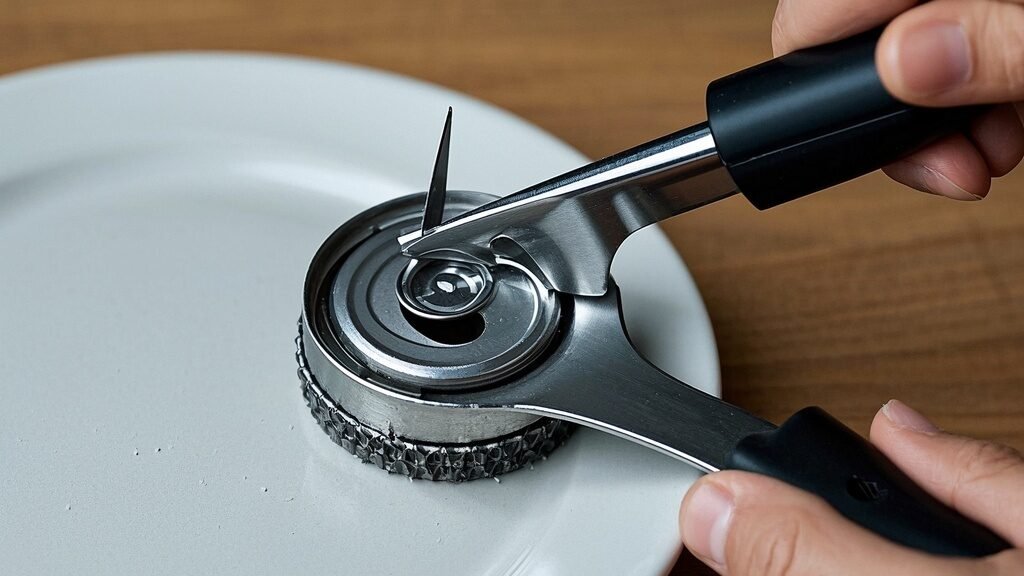
The most critical feature is a mechanism that leaves a smooth, safe lid. Traditional openers leave a jagged, razor-sharp edge on both the lid and the can, which is a significant cut risk. Look for models that use a side-cutting or under-the-rim technology. These designs cleanly separate the lid from the can’s sidewall, leaving a perfectly smooth rim on both pieces. The removed lid often sits securely on top, held by magnets, preventing it from falling into the food.

Ergonomic and Pain-Free Operation
For those with arthritis or … Read the rest
Can Weak Hands Use Automatic Can Openers Safely?

Can Weak Hands Use Automatic Can Openers Safely?

Opening a simple can of soup shouldn’t feel like a test of strength or a source of anxiety. Yet, for millions of individuals with arthritis, weakened grip, or limited hand mobility, that’s exactly what it becomes. The struggle with a manual can opener can turn a basic kitchen task into a painful, frustrating, and sometimes hazardous chore. The good news is that kitchen technology has evolved to meet this exact need. Modern automatic can openers are specifically engineered to restore confidence and independence, offering a truly hands-off solution that prioritizes safety above all else.

Understanding the Safety Features of Modern Automatic Can Openers

Not all automatic openers are created equal, especially when considering users with weak hands. The safest models are designed with a clear understanding of the physical challenges involved. Key safety features to look for include magnetic lid holders, hands-free operation, and stable, non-slip bases.

Magnetic Lid Holder: This is arguably the most critical safety feature. After cutting, a strong magnet automatically lifts the lid completely out of the can and holds it securely. This eliminates the need to pry out a sharp, jagged lid with your fingers, which is a common cause of cuts. The lid is safely contained until you dispose of it.

Hands-Free Design: True hands-free operation means you only need to place the can, align the cutter, and press a button. The machine does the rest—piercing, cutting, and stopping automatically. There’s no need to apply continuous pressure or twist a knob, making it ideal for … Read the rest

Can You Open Cans Without Squeezing?

Can You Open Cans Without Squeezing?

For many, the simple act of opening a can is a minor kitchen task. But for individuals with arthritis, weak grip strength, or limited hand mobility, that familiar twist of a manual opener can be a source of frustration and even pain. The squeezing, twisting, and pressure required can turn meal prep into a daunting challenge. Fortunately, the world of safety can openers and can openers for seniors has evolved dramatically, offering solutions that prioritize ease of use and independence. This guide explores how modern openers eliminate the need for forceful squeezing, making the kitchen a more accessible and safer place for everyone.

Understanding the Challenge: Why Traditional Openers Fall Short

Standard manual can openers require a combination of grip strength, wrist stability, and fine motor control. The user must firmly squeeze the handles to puncture the lid, then maintain that pressure while rotating the knob. This repetitive motion can strain joints and muscles. For someone with arthritis, the pressure can be acutely painful. For those with conditions like Parkinson’s or post-stroke weakness, the required coordination may simply be unattainable, posing a safety risk with sharp edges. The goal of a specialized opener isn’t just to open a can—it’s to do so without transferring stress to the user’s hands.

Key Features of Pain-Free Can Openers

When searching for the right tool, look for these design elements that specifically address the needs of users with limited hand strength or dexterity.

Leverage and Mechanical Advantage: The best openers for weak hands use long levers or large, … Read the rest

What Is Best Can Opener for Weak Hands in 2025?

What Is Best Can Opener for Weak Hands in 2025?

Opening a can shouldn’t feel like a workout or a safety hazard. For millions of Americans managing arthritis, hand weakness, or simply the natural changes that come with age, the simple task of accessing canned goods can be a source of frustration and even pain. The sharp edges, the forceful twisting, and the slippery grip of a traditional opener turn a basic kitchen chore into a daunting challenge. The good news? The world of kitchen tools has evolved dramatically, with a new generation of can openers for weak hands designed specifically to restore confidence and independence. In 2025, the best models combine intelligent ergonomics with foolproof safety, turning a moment of potential struggle into one of effortless accomplishment.

Key Features of a Senior-Friendly Can Opener

Not all openers are created equal, especially when ease of use is the top priority. When searching for the perfect tool, focus on these non-negotiable features that define a true safety can opener for those with limited hand strength.

Ergonomic Design and Pain-Free Operation
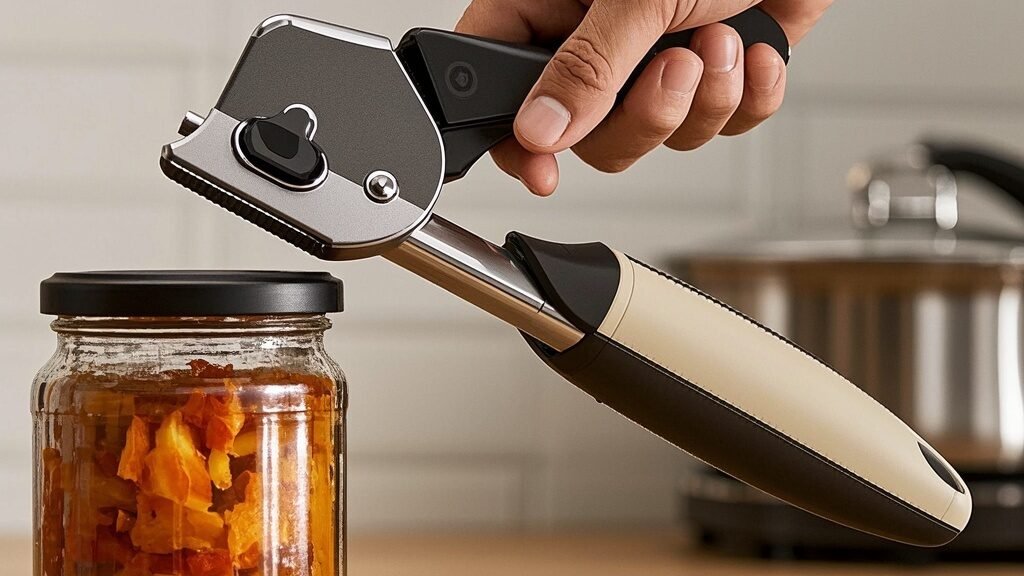
Look for large, soft-grip handles that distribute pressure across the palm instead of concentrating it on tender finger joints. Contoured shapes that fit naturally in the hand reduce strain. The mechanism should require minimal force—often through strategic gearing—so that a gentle squeeze or turn does the heavy work. This is the core of a pain-free experience.

Safety as the Top Priority
Safety is paramount. The best openers leave a smooth, rolled edge on the can lid, completely eliminating dangerous sharp metal. … Read the rest

Can You Open Cans Without Using Your Fingers?

Can You Open Cans Without Using Your Fingers?

For many, the simple act of opening a can is a thoughtless kitchen task. But for individuals with arthritis, weakened grip strength, or limited hand mobility, that familiar metal cylinder can become a frustrating and even painful barrier to a home-cooked meal. The struggle isn’t just about convenience; it’s about maintaining independence and dignity in one’s own kitchen. The good news is that the answer to the titular question is a resounding yes. Modern safety can openers and can openers for seniors are ingeniously designed to eliminate the need for pinching, twisting, or forceful gripping, transforming a chore into a seamless, pain-free experience.

Understanding the Challenges: Why Traditional Openers Fail

Standard manual can openers require a specific set of hand movements that can be problematic. You need a firm, sustained pinch to hold the handle, combined with a steady rotational force from your wrist and forearm. For someone with arthritis, this pinching motion can be excruciating. Weak hands may lack the strength to puncture the lid initially or maintain the turning pressure. Conditions like Parkinson’s or post-stroke recovery can make the coordinated motion nearly impossible, turning a simple task into a source of anxiety and potential injury from sharp edges.

Key Features of a Senior-Friendly Can Opener

When searching for the right tool, look beyond the basic function. The best openers for limited mobility are defined by specific, user-centric features.

Ergonomic and Leveraged Design: This is paramount. Look for large, soft-grip handles that distribute pressure across the palm, not the fingers. Some … Read the rest

Are Electric Can Openers Good for Weak Hands?

Are Electric Can Openers Good for Weak Hands?

Opening a simple can of soup or beans shouldn’t be a daily struggle that causes pain or anxiety. Yet, for millions of seniors and individuals with conditions like arthritis, carpal tunnel, or general hand weakness, the traditional manual can opener is a formidable opponent. It demands grip strength, fine motor control, and a twisting motion that can turn meal prep into a frustrating ordeal. This is where the modern electric can opener steps in, not just as a convenience, but as a genuine tool for maintaining kitchen independence and safety.

Why Manual Openers Fail for Weak Hands

To understand the solution, we must first recognize the problem with standard tools. Manual can openers require a specific set of physical actions that become difficult with age or limited mobility.

The Grip and Twist Challenge
You must first clamp the opener onto the can’s rim, which requires significant pinch force. Then, the continuous turning of a small, often slippery knob demands sustained grip strength and wrist rotation. For arthritic hands, this repetitive motion can be excruciating and may lead to dropped cans or incomplete cuts, creating sharp edges.

Safety and Stability Concerns
A shaky grip or loss of control doesn’t just stop the task; it creates hazards. A slipping opener or a can with a jagged, partially cut lid poses serious risks of cuts. Furthermore, the effort required can cause fatigue or strain, making the entire kitchen experience daunting rather than enjoyable.

Key Features of a Senior-Friendly Electric Can Opener

Not all electric openers … Read the rest

What Can Opener Is Best for Stroke Survivors?

What Can Opener Is Best for Stroke Survivors?

Opening a simple can of soup shouldn’t be a daily battle. For stroke survivors and individuals with arthritis, weak grip strength, or limited dexterity, the twisting and pressure required by a traditional can opener can transform a basic kitchen task into a source of frustration, pain, and even danger. The quest for the right kitchen tools isn’t just about convenience; it’s about reclaiming independence and confidence in a space that should feel safe and empowering. Finding the best can opener for stroke survivors hinges on prioritizing safety, ease of use, and pain-free operation above all else.

Essential Features of a Safe and Accessible Can Opener

Not all can openers are created equal, especially when considering the unique needs of someone with limited hand mobility or strength. The ideal model moves beyond simple function to become a true assistive device. Key features to look for transform a challenging chore into a manageable, one-handed task.

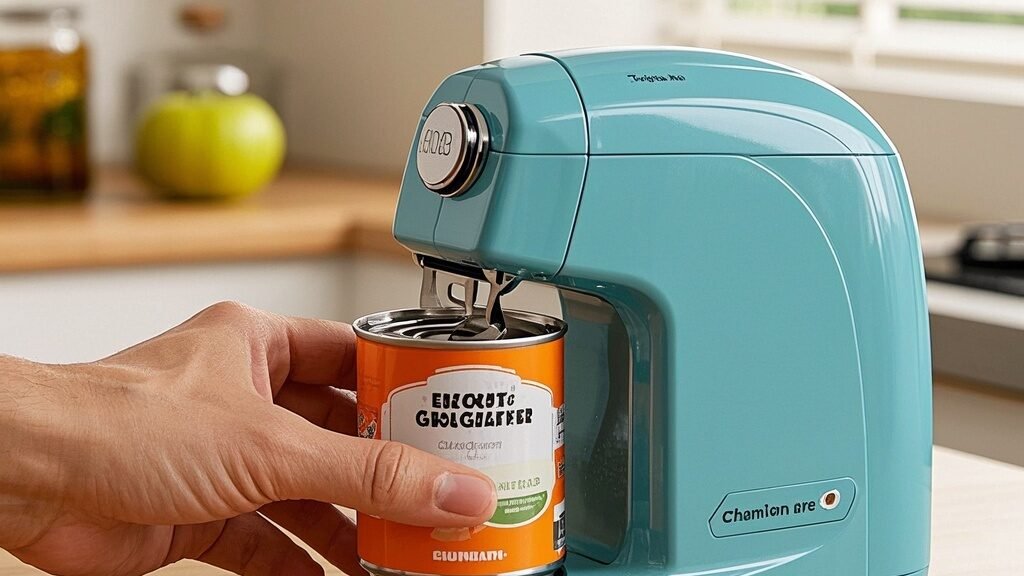
Automatic and Electric Operation: The single most important feature is automatic operation. Electric or battery-powered openers do all the work. You simply position the can, press a button, and the device magnetically locks on, rotates the can, and cleanly cuts the lid. This eliminates the need for twisting, squeezing, or applying sustained pressure—actions that can be painful or impossible for those with hemiparesis (weakness on one side of the body) or arthritis.

Safety-First Design: Look for models that leave smooth, safe edges. The best safety can openers cut from the side, leaving the lid’s rim completely smooth and attached, … Read the rest

Can Weak Hands Use Hands-Free Can Openers?

Can Weak Hands Use Hands-Free Can Openers?

Opening a simple can of soup shouldn’t feel like a feat of strength. For millions of adults with arthritis, diminished grip strength, or conditions like Parkinson’s, the traditional manual can opener is a source of frustration and even pain. The twisting motion, the required pressure, and the sharp edges pose real challenges. This is where the innovative world of hands-free can openers enters the kitchen, promising liberation. But the question remains: are these devices truly accessible for those with weak hands and limited mobility, or are they just another gadget? The answer is a resounding yes, but with some crucial considerations.

Understanding the Challenge: Why Traditional Openers Fail

To appreciate the solution, we must first understand the problem. Manual can openers require a specific set of physical actions: a firm, sustained grip to clamp the device onto the can’s rim, followed by a continuous twisting motion of a small knob. For someone with arthritis in their hands or wrists, this combination is often impossible. Weak grip strength means the opener slips, causing frustration. Painful joints make the twisting motion unbearable. Electric openers can help, but many still require users to hold and guide the can, which can be unstable.

The Core Issue: Grip and Torque
The primary barriers are grip strength and the application of rotational force (torque). Conditions like osteoarthritis, rheumatoid arthritis, or post-stroke weakness directly impact these abilities. A device that eliminates the need to generate this force manually becomes not just convenient, but essential for maintaining independence in the kitchenRead the rest

What Is Best Can Opener for Minimal Effort Cooking?

What Is Best Can Opener for Minimal Effort Cooking?

For many, opening a can is a simple, two-second task. But for millions of Americans living with arthritis, weakened grip strength, or limited mobility, that simple twist of a wrist can be a source of frustration, pain, and even danger. The struggle with a stubborn, old-fashioned can opener can turn a desire for a quick meal into a daunting chore, chipping away at the joy and independence of cooking. The quest for the best can opener for minimal effort cooking isn’t about luxury; it’s about reclaiming autonomy in the kitchen. Modern safety can openers are engineered specifically to address these challenges, transforming a potentially painful task into a smooth, secure, and almost effortless operation.

Why Traditional Can Openers Fail for Seniors and Those with Limited Mobility

Standard manual can openers require a specific set of physical actions that can become difficult with age or certain conditions. You need a firm, sustained grip to clamp the opener onto the can’s rim. Then, you must exert significant rotational force with your wrist and forearm while maintaining that grip. This combination of pinch strength, twisting motion, and sustained pressure is exactly what aggravates arthritic joints and challenges weak hands.

Common Pain Points: The sharp metal edges of a cut lid pose a serious laceration risk, especially if hands slip from fatigue or tremor. The act of prying the lid off often requires another awkward, forceful motion. These design flaws don’t just cause physical strain; they can lead to a loss of confidence, making individuals … Read the rest

What Can Opener Is Best for Aging Hands?

What Can Opener Is Best for Aging Hands?

Opening a simple can of soup shouldn’t feel like a test of strength or a hazard to your fingers. Yet, for many seniors, individuals with arthritis, or anyone experiencing weakness in their hands, the familiar struggle with a manual can opener is a daily reminder of declining independence in the kitchen. The sharp edges, the awkward twisting motion, and the sheer force required can turn a basic task into a painful, frustrating chore. Finding the best can opener for seniors isn’t about luxury; it’s about safety, dignity, and reclaiming the simple joy of preparing a meal without pain or fear.

Why Standard Can Openers Fail Aging Hands

Traditional manual can openers are designed with an assumption of full grip strength and dexterity. They require a firm, sustained pinch to operate the handles and significant rotational force in the wrist to turn the key. For hands affected by arthritis, conditions like Parkinson’s, or general age-related weakness, these actions can range from uncomfortable to impossible.

The Pain Points of Conventional Designs: The small, often serrated handles dig into tender joints. The twisting motion exacerbates pain in arthritic wrists and fingers. Slippage is common, leading to jagged, dangerous lids and potential cuts. These challenges aren’t just inconveniences; they are real barriers that can lead to reliance on others or avoidance of nutritious canned foods altogether. A safety can opener specifically addresses these issues by re-engineering the entire opening process.

Key Features of a Senior-Friendly Can Opener

When shopping for an accessible can opener, look for … Read the rest