All posts by best can opener

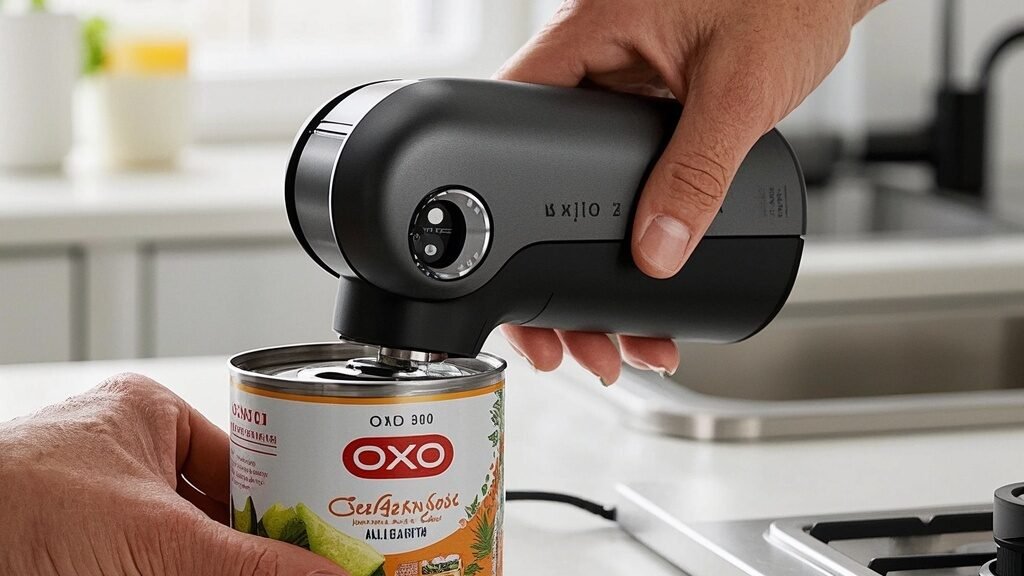
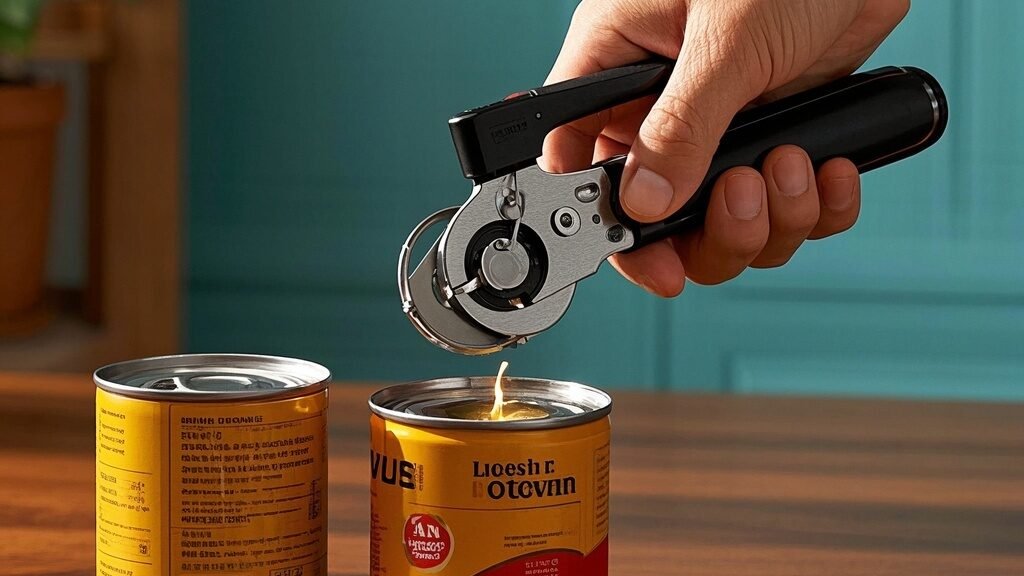
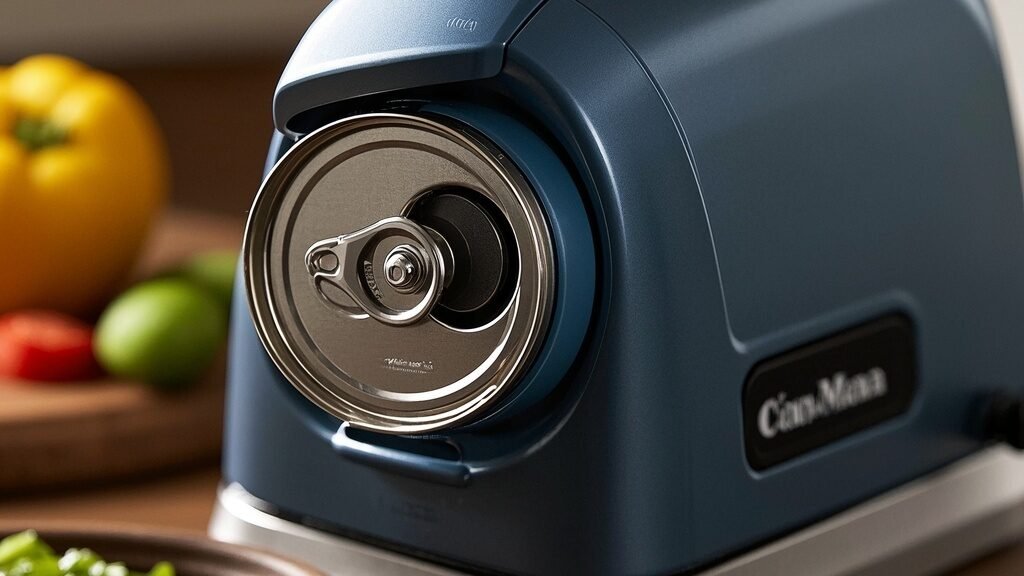
What Is Best Safety Can Opener for Seniors?

What Is Best Safety Can Opener for Seniors?

For many older adults, the simple act of opening a can of soup or vegetables can transform from a routine task into a daily challenge. Weak grip strength, arthritis pain in the hands and wrists, or simply reduced dexterity can make using a traditional, manual can opener a frustrating and sometimes hazardous ordeal. The good news is that kitchen tool innovation has stepped up, offering solutions designed specifically for safety and ease. The best safety can opener for seniors isn’t just about opening cans; it’s about preserving independence and confidence in the kitchen.

Key Features of a Senior-Friendly Safety Can Opener

When shopping for a can opener suitable for an elderly user, especially one with arthritis or limited hand strength, specific features move from nice-to-have to essential. These design elements work together to minimize effort, maximize safety, and reduce pain.

Ergonomic Design and Easy-Grip Handles
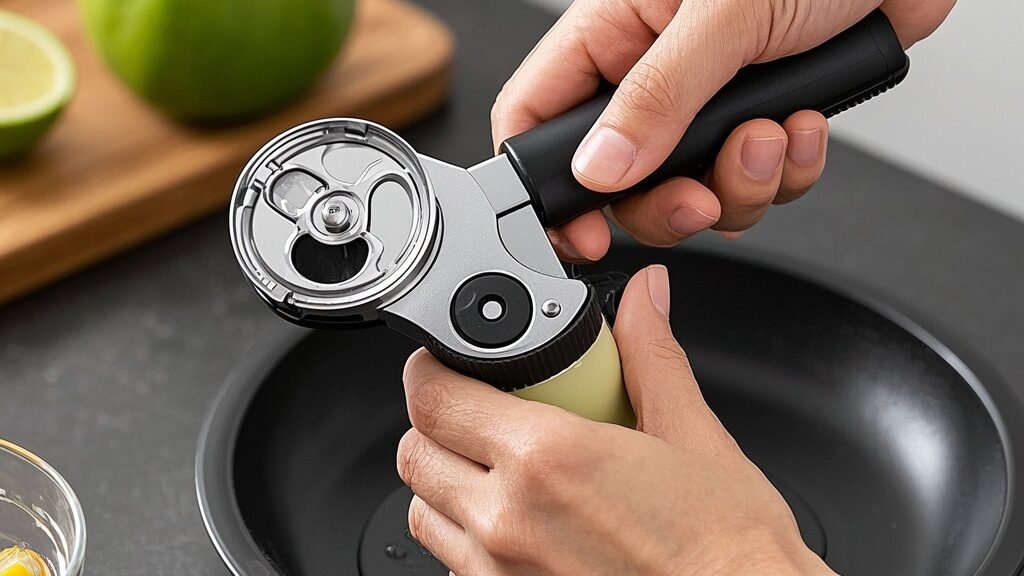
Look for handles that are large, soft, and contoured. These features distribute pressure across the palm rather than concentrating it on painful finger joints. A textured, non-slip surface is crucial to prevent slipping, which is a common issue with sweaty or weak hands. Some models feature oversized, loop-style handles that allow the user to employ their whole hand or even forearm for leverage, bypassing the fingers entirely.

Automatic and Electric Operation
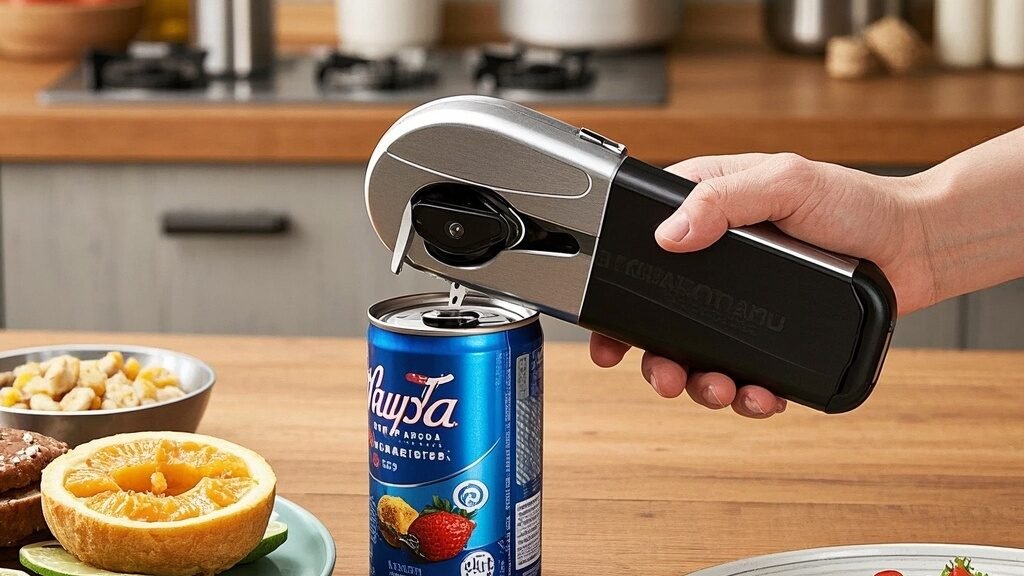
For maximum ease, electric can openers are often the top recommendation. With a simple press of a button or lever, the machine does all the work—gripping the can, cutting the lid, and stopping automatically. This eliminates … Read the rest
Can Weak Hands Open Cans Without Assistance?

Can Weak Hands Open Cans Without Assistance?

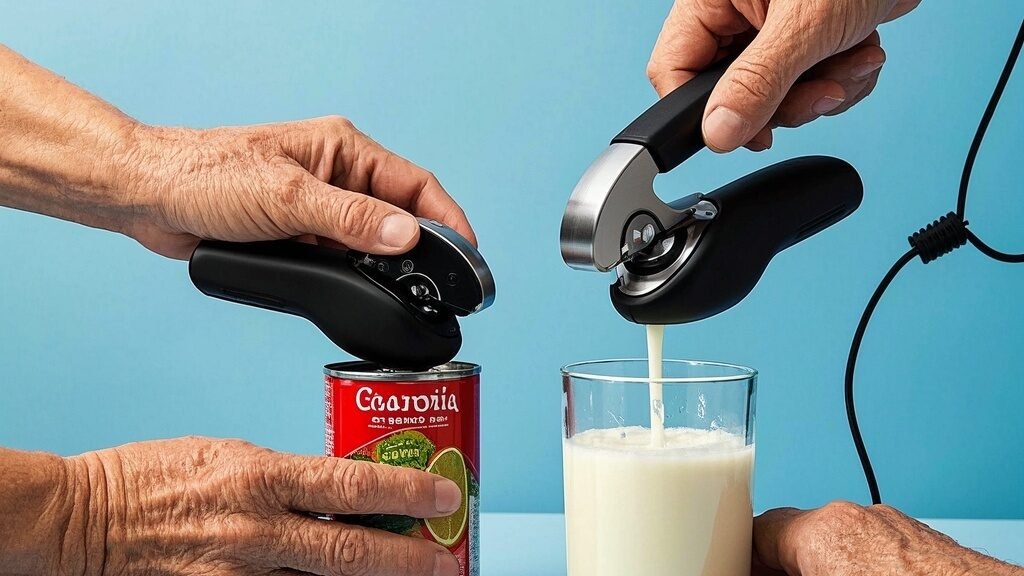
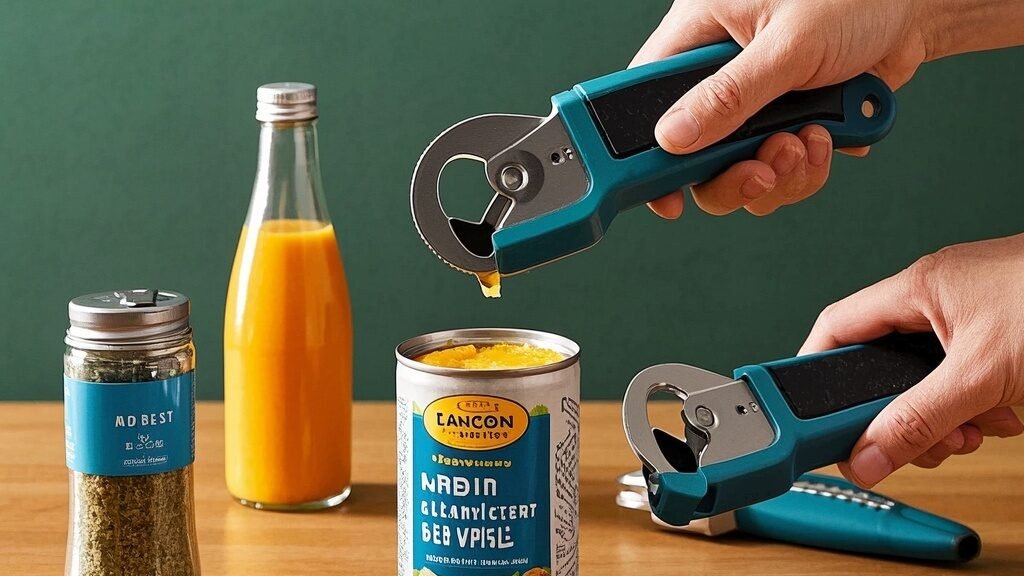
Opening a simple can of soup can feel like a monumental task when you’re dealing with arthritis, weak grip strength, or limited hand mobility. The frustration of a slippery manual opener or the sharp edges of a traditional can can turn a basic kitchen chore into a source of anxiety and even risk. But here’s the empowering truth: with the right tools, opening cans independently is not only possible, it can be safe, effortless, and pain-free. Modern safety can openers are specifically engineered to restore confidence and autonomy in the kitchen for seniors and anyone with hand strength challenges.

Understanding the Challenges: Why Standard Openers Fail

Traditional can openers require a combination of grip strength, wrist rotation, and downward pressure that can be painful or impossible for many. Arthritis inflames the joints, making twisting motions agonizing. Conditions like Parkinson’s or post-stroke weakness can reduce coordination and stability. Even general age-related decline in muscle mass can make a simple task surprisingly difficult. The risks go beyond frustration; slippery handles can lead to cuts, and unstable cans can spill their contents. Recognizing these challenges is the first step toward finding a solution that prioritizes safety and ease of use above all else.

Key Features of a Senior-Friendly Can Opener

When shopping for a can opener suitable for weak hands, look for these non-negotiable features that transform the experience from a struggle to a simple press of a button or turn of a lever.

Ergonomic and Oversized Handles
Large, soft-grip handles distribute pressure across the palm … Read the rest

Are Safety Can Openers Better Than Traditional Ones?

Are Safety Can Openers Better Than Traditional Ones?

Opening a can should be a simple task, yet for millions of Americans with arthritis, weak grip strength, or limited hand mobility, it can be a source of frustration, pain, and even danger. The familiar struggle with a wobbly, old-fashioned opener can turn a moment of independence into a reminder of physical limitation. This is where the modern safety can opener steps in, not just as a kitchen gadget, but as a tool designed to restore confidence and autonomy. By re-engineering the entire opening process, these devices address the core challenges that make traditional models difficult for seniors and those with hand conditions.

Understanding the Core Design Differences

The fundamental difference lies in mechanics and user interaction. A traditional manual opener requires significant downward pressure, a firm twisting grip, and precise coordination to navigate a sharp, exposed lid. In contrast, a safety can opener for seniors is built from the ground up for accessibility.

Key Engineering Shifts:
Instead of piercing the top, most safety models cut from the side, leaving a smooth, safe lid edge that can’t cut fingers. They utilize large, ergonomic handles that distribute force across the palm, not the fingertips. Many incorporate geared mechanisms or electric motors, reducing the required hand strength by over 70% according to manufacturer tests. This thoughtful design prioritizes pain-free operation and eliminates the fear of handling a razor-sharp disc of metal.

Features That Empower Independence in the Kitchen

Beyond just opening cans, the best models are holistic aids that consider the entire user experience. … Read the rest

What Is Safest Can Opener for Elderly Hands?

What Is Safest Can Opener for Elderly Hands?

Opening a can should be a simple task, but for many seniors, it can feel like a daunting challenge. Arthritic hands, weakened grip strength, or tremors can turn a basic kitchen tool into a source of frustration and even danger. The familiar struggle with a slippery, hard-to-turn manual opener is more than an inconvenience; it can chip away at the confidence and independence that comes with preparing one’s own meals. Finding the safest can opener for elderly hands isn’t just about convenience—it’s about preserving dignity and safety in the kitchen. The right tool can transform a risky chore back into an easy, autonomous act.

Key Safety Features to Look For

When shopping for a senior-friendly can opener, safety is the paramount concern. The goal is to minimize sharp edges, reduce physical strain, and prevent accidents. A traditional opener that leaves a jagged, razor-sharp lid is a significant hazard, especially for those with unsteady hands or diminished vision.

Safety-Cut Mechanisms and Smooth Edges: The most critical feature is a design that leaves a smooth, safe edge on both the can and the detached lid. Look for openers that cut from the side or under the rim, leaving no sharp metal behind. This eliminates the risk of nasty cuts when handling or disposing of the lid and the can itself.

Stability and Secure Grip: A can opener that slips or wobbles is an accident waiting to happen. Models with strong magnetic lids that hold the cut lid securely are excellent, as they prevent it … Read the rest

What Can Opener Leaves Absolutely No Sharp Edges?

What Can Opener Leaves Absolutely No Sharp Edges?

Opening a can should be a simple task, but for millions of Americans with arthritis, weakened grip strength, or limited mobility, it can be a daily source of frustration and even danger. The struggle with a traditional opener isn’t just about inconvenience; it’s about the sharp, jagged metal lid left behind—a hidden hazard that can cause serious cuts. The quest for a truly safe kitchen leads us to one pivotal question: what can opener design eliminates this risk entirely? The answer lies in innovative safety can openers engineered specifically for seniors and individuals with limited hand strength.

Understanding the Safety Can Opener Revolution

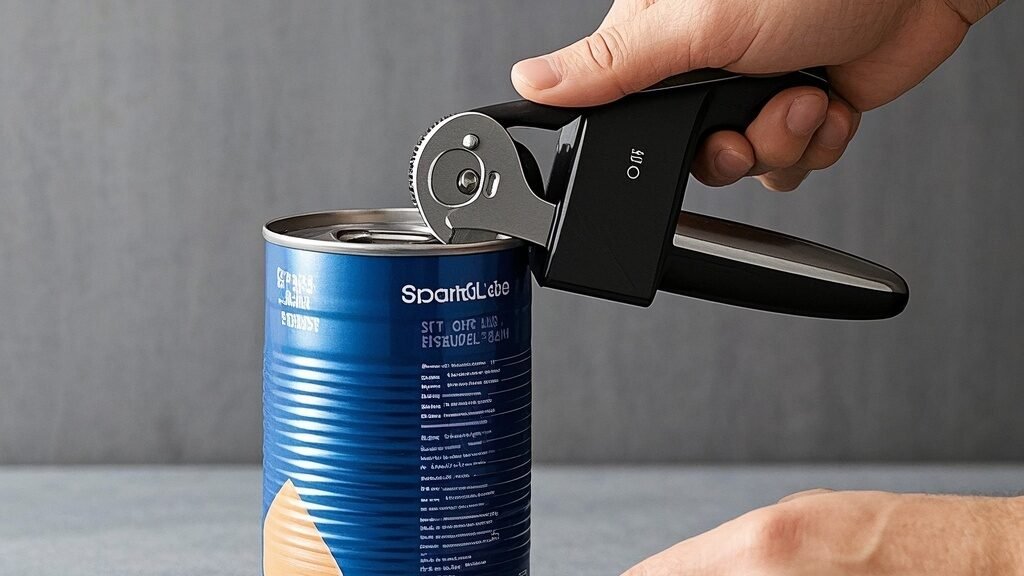
Traditional can openers cut through the metal lid along the outer rim of the can. This process leaves a razor-sharp edge on both the removed lid and the can itself. For anyone with unsteady hands or reduced tactile sensitivity, handling this sharp metal is a recipe for injury. Safety can openers solve this problem through a fundamentally different mechanism. Instead of cutting from the top, they use a blunt roller or a magnetic system to separate the lid from the can’s side seam, leaving a perfectly smooth edge.

Key Mechanism and Benefits: This “side-cutting” or “smooth-edge” technology is the cornerstone of safety. The lid is removed without creating sharp points, allowing users to touch it safely or even place it back on the can as a temporary cover. This design not only prevents cuts but also significantly reduces the effort required. The turning motion is often more ergonomic, … Read the rest

What Safety Can Opener Is Best for Arthritis?

What Safety Can Opener Is Best for Arthritis?

Opening a simple can of soup shouldn’t feel like a feat of strength or a test of endurance. Yet, for millions living with arthritis, carpal tunnel, or general hand weakness, the familiar struggle with a manual can opener—the twisting, the gripping, the sharp edges—can turn a basic kitchen task into a source of pain and frustration. This daily challenge quietly chips away at the joy and independence of cooking at home. The good news is that a new generation of kitchen tools is specifically engineered to eliminate that struggle. Finding the best safety can opener for arthritis isn’t just about convenience; it’s about reclaiming confidence and comfort in your own kitchen.

Key Features to Look for in an Arthritis-Friendly Can Opener

Not all “easy” openers are created equal. When searching for the right tool, focus on designs that minimize strain on vulnerable joints. The goal is to transfer effort from your fingers and wrists to larger muscle groups or clever mechanics.

Ergonomic Design and Pain-Free Operation
Look for large, soft-grip handles that contour to your palm. These handles distribute pressure over a wider area, reducing the intense pinch grip required by traditional openers. Padded or foam-covered handles are especially kind to sensitive joints. The opener should feel secure and comfortable in a loose hold, not demanding a tight, painful fist.

Leverage and Effortless Mechanics
This is where engineering makes all the difference. Side-swing or under-the-cabinet mounted openers use a long lever arm, allowing you to push down with your palm or the … Read the rest

Can Safety Can Openers Prevent Finger Cuts?

Can Safety Can Openers Prevent Finger Cuts?

Picture a simple kitchen task: opening a can of soup. For many, it’s a mindless chore. But for someone with arthritis, weak grip strength, or shaky hands, that metal lid transforms into a formidable adversary. The sharp edges, the slippery surface, the force required—each element poses a risk. A sudden slip can turn a routine meal prep into a painful visit to the first-aid kit. This is where the design of your kitchen tools matters profoundly. Modern safety can openers are engineered specifically to address these hazards, offering a secure and pain-free solution for maintaining independence in the kitchen.

Understanding the Risks: Why Traditional Openers Fall Short

Standard manual can openers demand a combination of grip strength, wrist stability, and precise downward pressure. For seniors or individuals with conditions like arthritis, this action can be painful, difficult, or even impossible. The greatest danger often comes after cutting, when prying off the jagged lid. Fingers come dangerously close to the razor-sharp edge, a leading cause of kitchen cuts. Electric openers solve the strength issue but can be bulky, require outlet access, and some still leave a sharp lid attached to the can. The core mission of a true safety can opener for seniors is to eliminate contact with the cut edge entirely and minimize the physical effort required from start to finish.

Key Features of a True Safety Can Opener

Pain-Free Operation and Ergonomic Design
The best models prioritize comfort. Look for large, soft-grip handles that distribute pressure across the palm, not just the … Read the rest

What Is Best Child-Safe Can Opener?

What Is Best Child-Safe Can Opener?

Picture a kitchen where a simple task like opening a can of soup doesn’t involve sharp, exposed edges or require a wrestling match with a stubborn lid. For families with young children and households where grandparents enjoy cooking, this safety is non-negotiable. The quest for the best child-safe can opener is about more than just preventing cuts; it’s about designing a tool that empowers users of all ages and abilities. These innovative openers prioritize secure, pain-free operation, making them equally ideal for seniors managing arthritis or limited mobility. By focusing on enclosed cutting mechanisms and ergonomic design, they transform a mundane chore into an act of safe, independent kitchen confidence.

Understanding Safety-First Can Opener Design

Traditional can openers leave a jagged, sharp lid and often a sharp-edged can itself. A true safety can opener redefines this process from the ground up. The core innovation is an enclosed cutting mechanism that never allows the user—or a curious child—to touch the cutting blade or the freshly cut lid. The best models completely separate the lid from the can, leaving smooth, safe edges on both pieces.

Key Safety and Accessibility Features: Look for openers that magnetically capture the lid, lifting it away cleanly. A smooth-edge cutting technique is paramount. For users with weak hands or arthritis, large, soft-grip handles that require minimal squeezing force are essential. Electric or automatic openers take this further, often requiring just the push of a button, eliminating grip and twist motions altogether. This thoughtful design bridges the gap between child-proofing and providing … Read the rest

Are Smooth-Edge Can Openers Easier to Use?

Are Smooth-Edge Can Openers Easier to Use?

Opening a can shouldn’t feel like a test of strength or a hazard waiting to happen. For many, especially seniors or those with arthritis, the simple act of using a traditional can opener can be a frustrating, even painful, chore. The jagged metal edge left behind is not just an annoyance; it’s a genuine safety concern. This is where the smooth-edge can opener steps in, promising a different experience. Unlike its traditional counterpart, it doesn’t cut through the metal lid. Instead, it cleanly separates the lid from the can’s rim, leaving a perfectly smooth edge on both the can and the lid. But does this innovative design truly deliver on its promise of effortless, pain-free operation? Let’s explore how this tool is transforming kitchen independence.

Understanding the Smooth-Edge Mechanism: Safety First

The core innovation of a smooth-edge, or safety, can opener lies in its mechanism. Instead of a sharp cutting wheel that shears through metal, it uses a rolling wheel and a gear system to cleanly separate the lid from the can’s side seam. This process leaves no sharp, serrated edges behind. For users with weak hands or limited mobility, this addresses two major issues. First, it eliminates the risk of nasty cuts when handling the detached lid or reaching into the can. Second, the lid itself is often left sitting perfectly on top of the contents, which can be easily lifted off without touching a sharp rim.

Safety and Cleanliness Benefits
This design is a game-changer for kitchen safety. There are … Read the rest

Can Safety Can Openers Be Used One-Handed?

Can Safety Can Openers Be Used One-Handed?

Opening a can shouldn’t feel like a feat of strength or a precarious balancing act. For millions of seniors and individuals with arthritis, weak grip, or limited mobility in one hand, the simple task of accessing canned goods can be a daily source of frustration and even risk. The traditional manual can opener, with its requirement for simultaneous downward pressure, twisting force, and a firm grip, often becomes an unwelcome kitchen adversary. This is where the specialized world of safety can openers comes into play, promising not just ease but true independence. But can these devices truly deliver on the promise of one-handed operation, or is that claim too good to be true?

Understanding Safety Can Openers and Their Core Features

Unlike their traditional counterparts, a safety can opener is specifically engineered to minimize effort and maximize safety. The primary goal is to create a smooth, stable, and controlled opening process that protects the user from sharp edges and eliminates the need for excessive force. Key design philosophies differentiate them.

Mechanism and Cutting Action: Most safety models use a side-cutting or under-the-lid mechanism. Instead of piercing the top and cutting inward, leaving a jagged edge, these openers cleanly cut the lid from the side, leaving it safely attached and with a smooth rim on the can. This design inherently requires less downward pressure.

Ergonomics and Grip Assistance: Handles are oversized, contoured, and padded with non-slip rubber. This design increases leverage and distributes force across the palm, not just the fingers, which is crucial … Read the rest