Are Electric Can Openers Better for Seniors Than Manual Ones?
Opening a can should be a simple task, but for many seniors or individuals with arthritis, weakened grip, or limited hand dexterity, the twisting and pressure required by a manual can opener can turn meal prep into a frustrating, even painful, chore. The simple act of feeding oneself independently becomes a barrier. This is where the debate between electric and manual can openers becomes genuinely meaningful, moving beyond kitchen gadgets to tools that support autonomy and safety. The core question isn’t just about convenience; it’s about accessibility and preserving the joy of cooking without strain.
Understanding the Key Differences: Manual vs. Electric
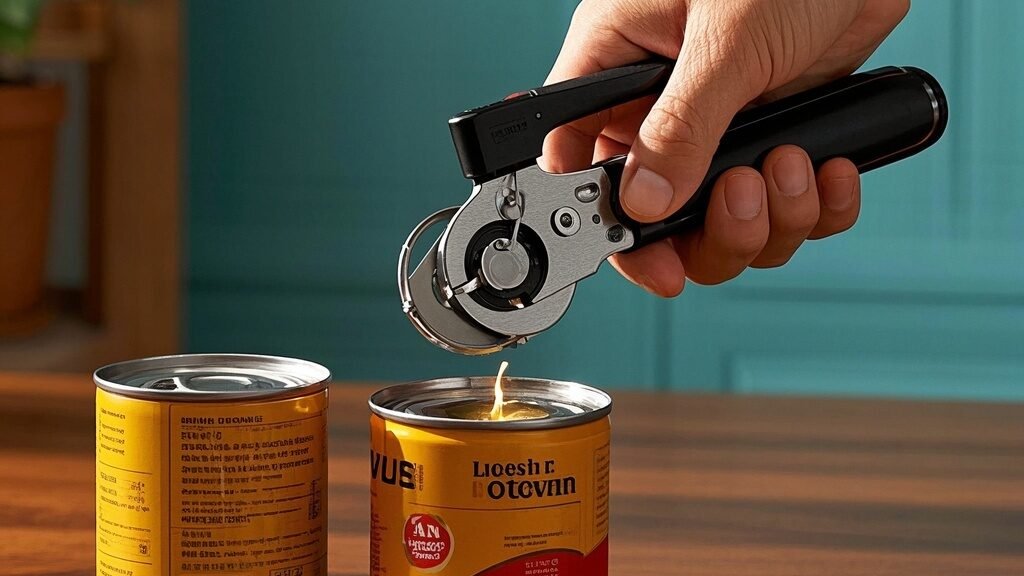
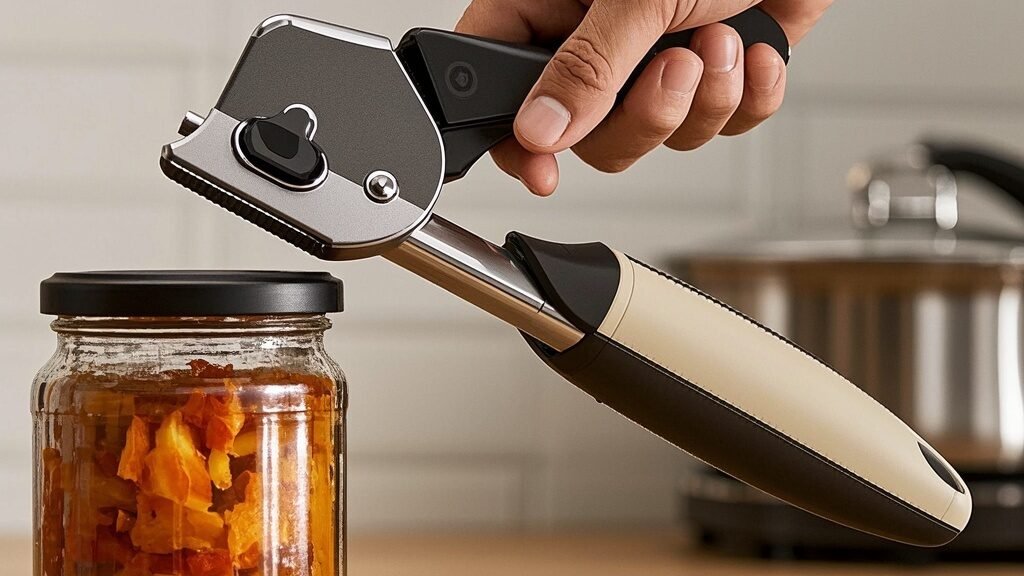
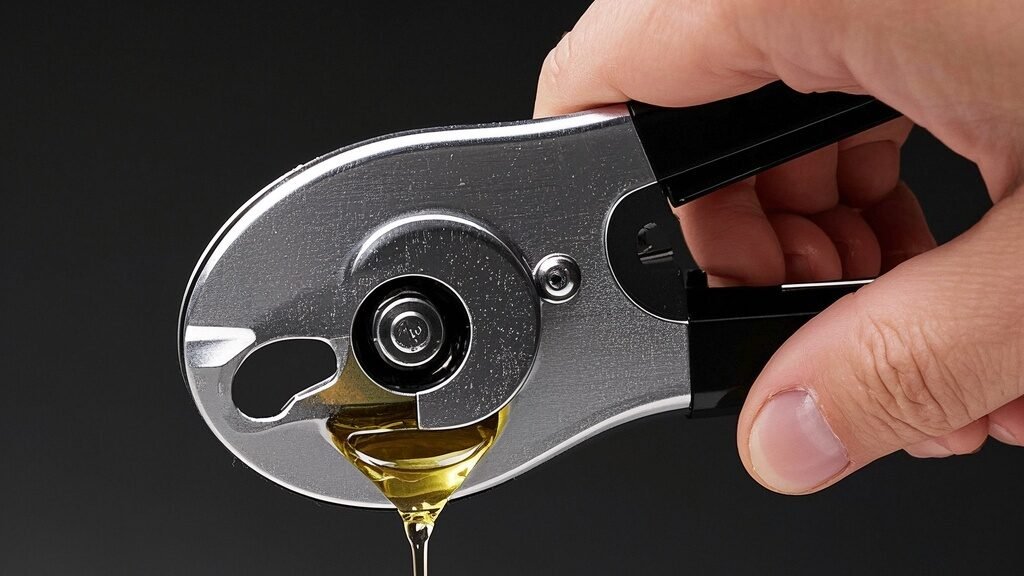
At their heart, both tools accomplish the same task, but their operation and physical demands are worlds apart. A traditional manual opener requires significant grip strength to clamp onto the can’s rim, sustained rotational force to turn the key or knob, and often a bit of wrist torque to complete the cut. For hands affected by conditions like osteoarthritis or general age-related weakness, each of these steps presents a challenge.
How Electric Models Change the Game
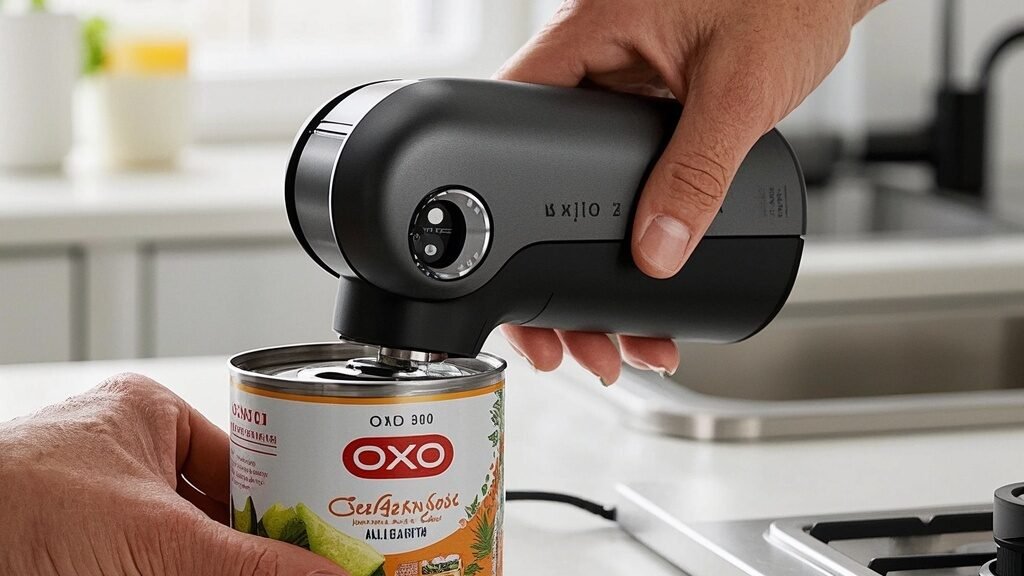
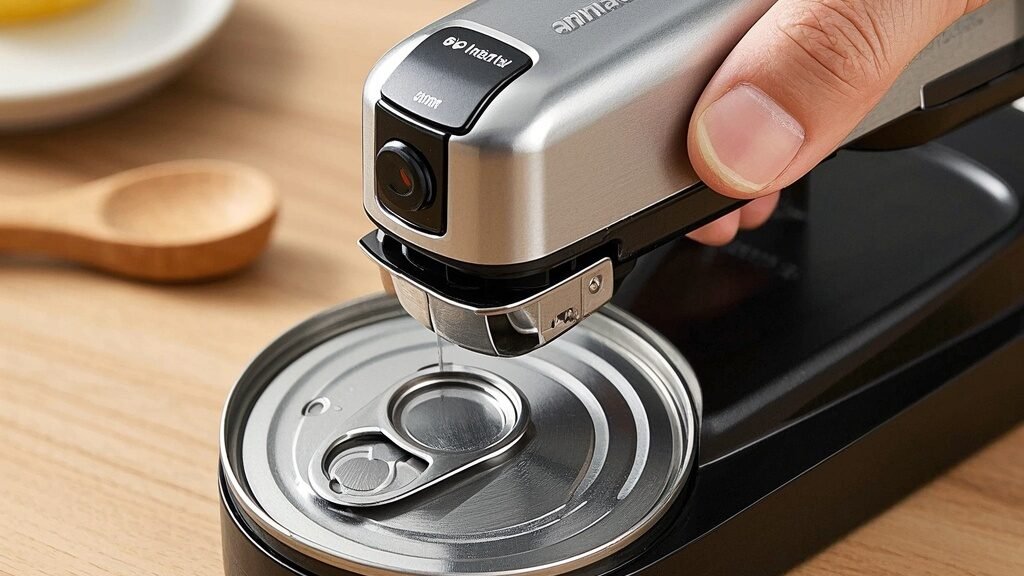
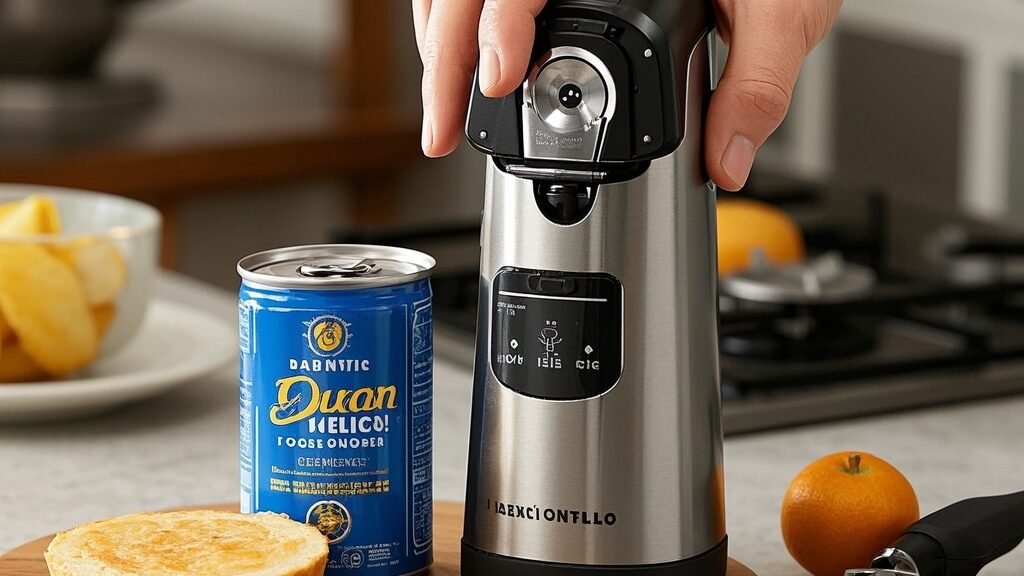
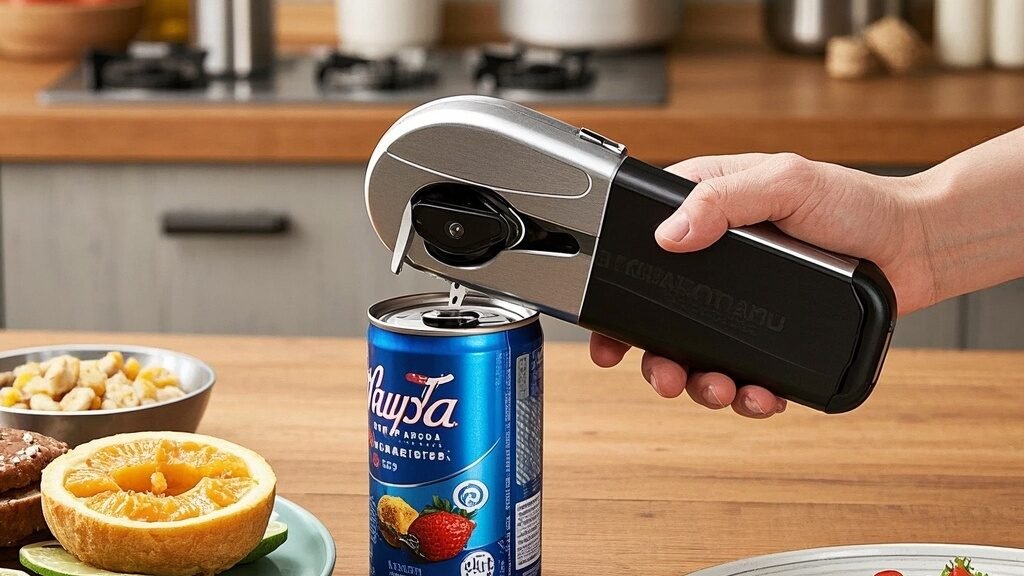
An electric can opener fundamentally reallocates the work. You position the can, press a button (often a large, easy-to-press lever), and the machine does the rest. The motor provides the rotational power, and a magnetic lid lifter frequently removes the cut lid automatically, eliminating the need to touch sharp edges. This shift from physical exertion to guided positioning can make all the difference for maintaining kitchen independence.