All posts by best can opener

What Electric Can Opener Is Best for Low-Mobility Users?

What Electric Can Opener Is Best for Low-Mobility Users?

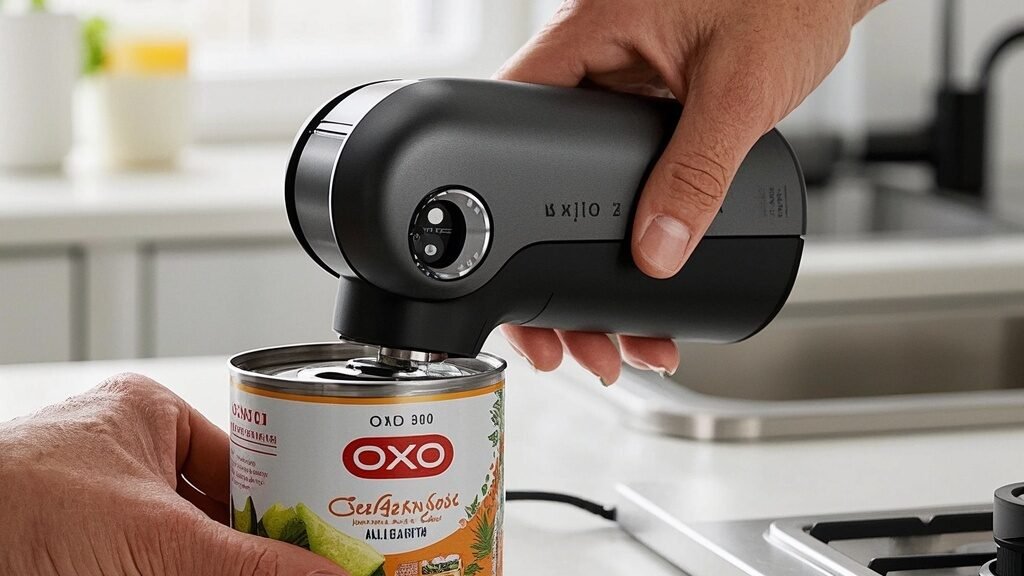
Opening a can shouldn’t feel like a test of strength or a precarious balancing act. For millions of seniors and individuals with arthritis, neuropathy, or limited hand dexterity, the simple task of preparing a meal can be fraught with frustration and even risk. The sharp edges of a traditional can lid, the twisting motion required for a manual opener—these are significant barriers to independence in the kitchen. This is where the right electric can opener transforms from a convenience into an essential tool for safety and autonomy. By automating the process, these devices empower users to maintain control over their nutrition and daily routines without strain or assistance.

Key Benefits of Electric Can Openers for Limited Mobility

Choosing an automatic opener goes beyond mere convenience; it addresses specific physical challenges. The core advantage is the dramatic reduction in required force and fine motor skill. Users only need to position the can and press a button, eliminating the painful grip and wrist rotation of manual models. This benefit for seniors is profound, as it helps conserve energy for other tasks and reduces joint stress.

Safety and Independence: Modern electric openers are designed with safety as a priority. Features like hands-free operation mean the user never touches the cutting mechanism or the freshly cut lid, which is often magnetically held away. This drastically reduces the risk of cuts from sharp metal edges—a common kitchen injury. Furthermore, the confidence gained from safely opening cans independently contributes significantly to a person’s sense of self-reliance and … Read the rest

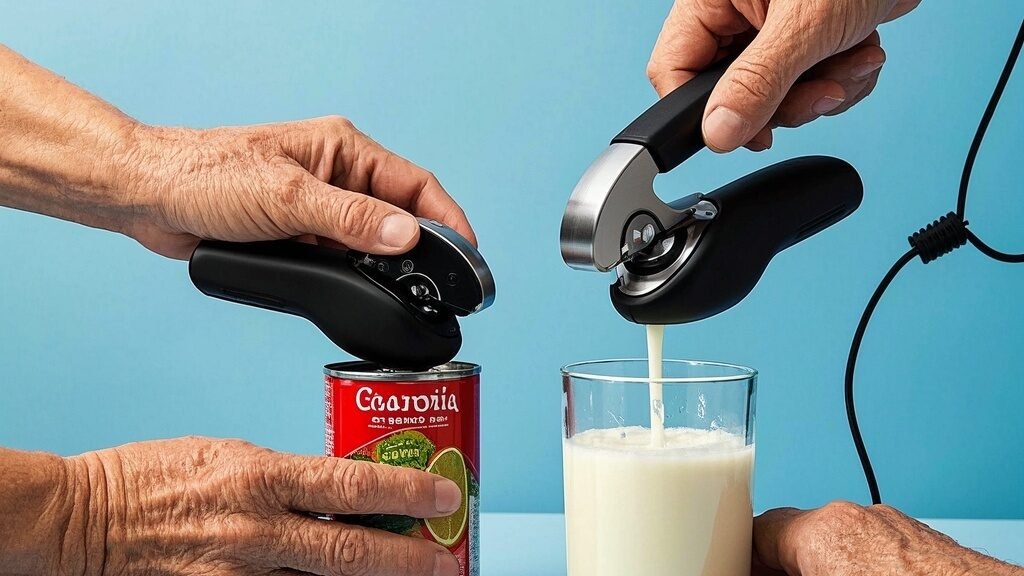
What Automatic Can Opener Is Best for Arthritis Relief?

What Automatic Can Opener Is Best for Arthritis Relief?

Opening a simple can of soup or beans shouldn’t feel like a battle. For millions living with arthritis, carpal tunnel, or general hand weakness, that familiar twist-and-press motion of a manual opener can range from uncomfortable to impossible. The frustration isn’t just physical—it’s about losing a bit of independence in the kitchen. This is where the right automatic can opener transforms from a mere convenience into a genuine tool for empowerment and relief.

Why an Automatic Can Opener is a Game-Changer for Limited Hand Strength

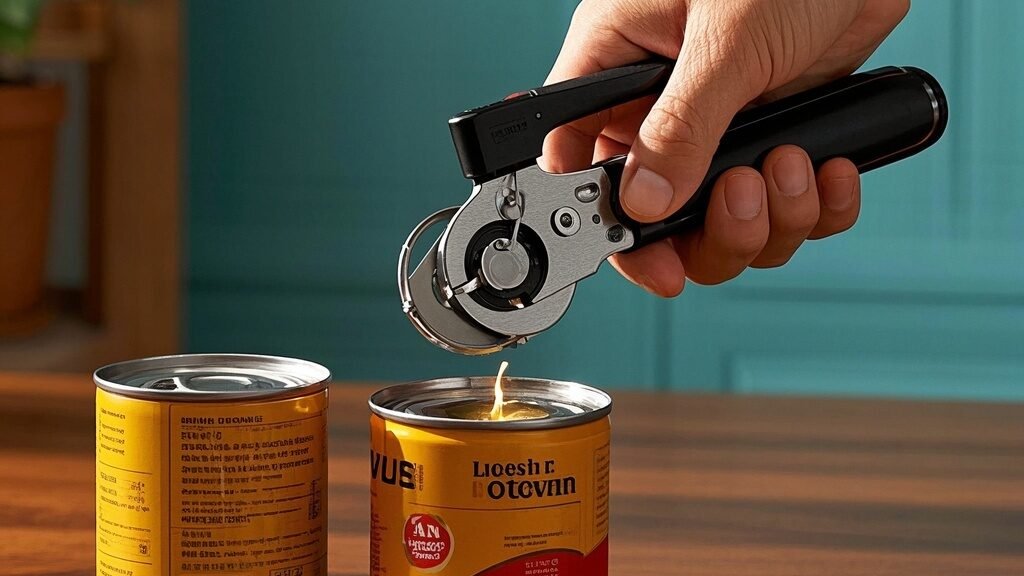
Manual can openers require a precise combination of grip strength, wrist rotation, and downward pressure. Arthritis pain and weakened hands disrupt this delicate coordination. An automatic can opener eliminates nearly all that effort. With the push of a button, a motorized mechanism does the hard work, cleanly cutting the lid without requiring you to squeeze, turn, or apply force.

Key Benefits for Seniors and Accessibility: The primary advantage is, of course, pain-free operation. But the benefits extend further. Many models feature large, easy-to-press buttons and non-slip bases, enhancing stability and control. They reduce the risk of cuts from struggling with a manual opener or a jagged lid. Ultimately, they help maintain kitchen independence, allowing you to prepare meals without assistance or avoid the fatigue that comes with difficult tasks.

Choosing the Right Automatic Can Opener: Key Features to Prioritize

Not all electric openers are created equal, especially when ease of use is paramount. Look for these features designed with accessibility in mind.

Ergonomics and Ease of

Read the rest

What Automatic Can Opener Is Best for Easy Storage?

What Automatic Can Opener Is Best for Easy Storage?

Picture this: you’re trying to prepare a simple meal, but your hands ache or lack the strength to wrestle with a stubborn manual can opener. That familiar struggle isn’t just frustrating; it can be a barrier to independence in the kitchen. For seniors and individuals with arthritis or limited hand strength, the humble can of soup or beans can become an unexpected challenge. This is where the modern automatic can opener shines, transforming a taxing chore into a one-touch task. But with convenience comes a new consideration: where do you put this helpful gadget in a crowded drawer or on a limited countertop? Finding the best model isn’t just about power—it’s about finding a design that fits seamlessly into your life and space.

Why an Automatic Can Opener is a Game-Changer for Accessibility

Moving from a manual to an electric or automatic opener is more than an upgrade; it’s a shift towards greater kitchen autonomy. The core benefit is the dramatic reduction in physical effort required.

Ease of Use and Independence
A quality automatic can opener requires minimal grip strength and dexterity. Most feature large, easy-to-press buttons or levers. You simply align the can, press a button, and the device does the rest—cutting the lid cleanly around the rim without you turning a crank. This empowers seniors and those with conditions like arthritis or carpal tunnel to open cans safely and confidently, reducing reliance on others for a basic kitchen task.

Enhanced Safety Features
Safety is paramount. Many automatic openers are … Read the rest

Can Automatic Can Openers Be Used Without Training?

Can Automatic Can Openers Be Used Without Training?

Imagine facing a simple can of soup or beans, but your hands just won’t cooperate the way they used to. Arthritis, reduced grip strength, or tremors can turn a basic kitchen task into a frustrating, even risky, challenge. For millions of seniors and individuals with limited dexterity, the traditional manual can opener is a barrier to independence and nutrition. This is where the modern automatic can opener shines, designed specifically to eliminate that struggle. The core promise of these devices is remarkable accessibility: they are engineered for intuitive, one-touch operation that requires minimal physical effort and virtually no prior experience.

The True Ease of Use: How Automatic Openers Work

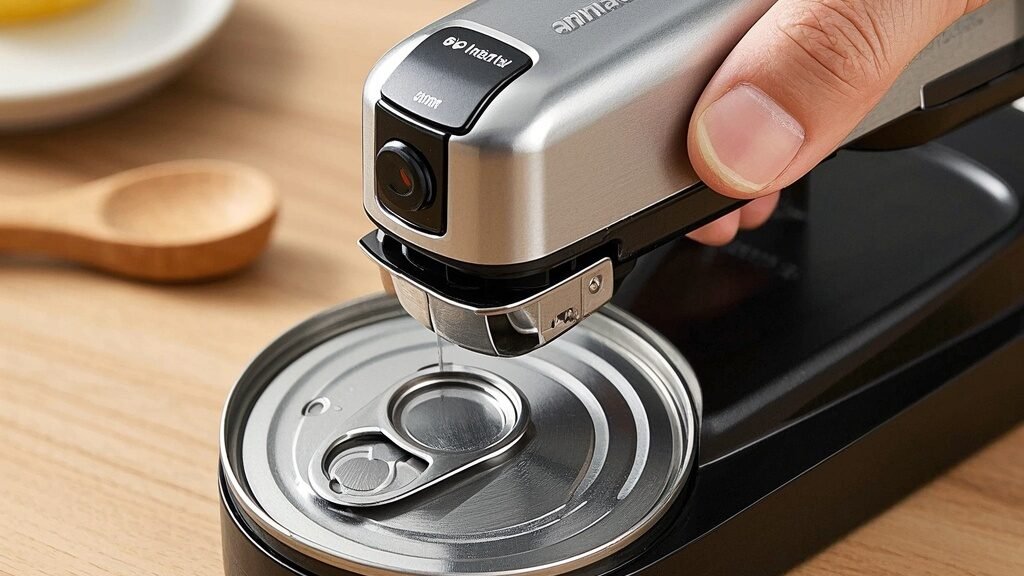
At their heart, electric and automatic can openers are about simplifying a process. Unlike their manual counterparts that demand grip strength, wrist rotation, and precise alignment, these devices do the heavy lifting—literally. The user typically places the can on a magnetic holder, aligns the cutter under the guidance of a built-in ledge, and presses a single button or lever. The machine then grips the can, rotates it, and cleanly cuts the lid from the rim, holding it magnetically to avoid sharp edges.

Key Design Features for Accessibility: Manufacturers prioritize features that cater directly to users with limitations. Large, easy-press buttons or touchpads require little force. Non-slip bases ensure stability during operation. Powerful magnets securely hold both the can and the cut lid, eliminating the need to touch sharp metal. Many models also include additional functions like bottle openers and knife sharpeners, consolidating tools … Read the rest

Can Automatic Can Openers Improve Kitchen Safety?

Can Automatic Can Openers Improve Kitchen Safety?

Opening a can seems like a simple task, but for many, it’s a daily struggle that can lead to frustration or even injury. The sharp edges of a lid, the slippery grip of a manual opener, and the sheer force required can turn a routine kitchen chore into a hazard. This is where technology steps in to offer a safer, more accessible solution. Automatic can openers are designed to eliminate the physical strain and risks associated with traditional models, making them a game-changer for kitchen safety. By handling the cutting and lifting process with the push of a button, they provide a secure way to access canned goods, especially for seniors and individuals with arthritis or limited hand strength.

How Automatic Openers Enhance Safety and Accessibility

The primary safety benefit of an automatic can opener is its hands-off operation. You simply position the can, press a button, and the machine does the rest. This design directly addresses several common risks.

Eliminating Direct Contact with Sharp Edges
Manual openers often leave a jagged, sharp lid that must be carefully removed by hand, a leading cause of cuts. Automatic models typically lift and hold the lid magnetically, safely containing it away from your fingers. Some advanced designs even leave a smooth edge on the can itself.

Reducing Physical Strain and Improving Grip
For those with arthritis, weakened grip, or conditions like carpal tunnel syndrome, twisting a manual crank is painful or impossible. Electric openers require minimal pressure—just enough to align the can. This empowers individuals … Read the rest

Are Automatic Can Openers Safe Compared to Manual Ones?

Are Automatic Can Openers Safe Compared to Manual Ones?

Opening a can shouldn’t feel like a workout or a safety hazard. For many, especially seniors or those managing conditions like arthritis, the simple twist of a manual opener can be a painful, frustrating, or even risky task. The promise of the automatic can opener is liberation from that struggle—a device that does the work for you with the press of a button. But does handing over the task to a motor introduce new risks, or does it actually create a safer kitchen experience? We’re cutting through the assumptions to compare the real-world safety, accessibility, and practicality of both tools.

Understanding the Safety Dynamics: Manual vs. Automatic

Safety isn’t just about avoiding cuts; it’s about stability, control, and minimizing physical strain. A traditional manual opener requires significant grip strength, wrist rotation, and downward pressure. This combination can lead to slippery hands, sudden slips, and exposure to the newly cut, often sharp lid. The process demands full attention and a steady hand.

Key Safety Comparison: An automatic electric can opener fundamentally changes this interaction. You align the can, press a lever, and the machine magnetically grips and rotates it, cutting the lid cleanly around the perimeter. Your hands never touch the cutting mechanism or the spinning can. The primary safety shift is from physical dexterity and sharp edges to electrical safety and proper usage. When used correctly on a stable surface, it virtually eliminates the risk of hand cuts during the opening process itself.

Why Automatic Openers Are a Game-Changer for Accessibility

Read the rest

What Automatic Can Opener Is Best for Low Mobility?

What Automatic Can Opener Is Best for Low Mobility?

Opening a can shouldn’t feel like a workout. For millions of seniors and individuals with arthritis, limited hand strength, or conditions like Parkinson’s, the simple twist of a manual opener can be a source of frustration and even pain. The kitchen, a place of independence, can suddenly present barriers. This is where the right automatic can opener becomes more than a convenience—it’s a tool that restores confidence and ease in daily routines.

Why an Automatic Can Opener is a Game-Changer

Modern electric can openers are engineered to do the hard work for you. With the press of a button, they magnetically grip the lid, rotate the can, and cleanly cut around the rim, leaving a smooth, safe edge. This process eliminates the need for gripping strength, wrist twisting, and the application of steady pressure.

Key Benefits for Limited Mobility: The primary advantage is, of course, accessibility. These devices empower users to prepare meals independently, a crucial aspect of dignity and self-sufficiency. Beyond that, they enhance safety by virtually eliminating the risk of cuts from sharp lids or slips from a struggling manual opener. Many models also feature large, easy-to-press buttons and non-slip bases, further catering to users with dexterity challenges.

What to Look For: A Buyer’s Guide

Not all automatic openers are created equal, especially when considering specific mobility needs. Here are the critical features to prioritize.

Essential Features for Ease of Use

Hands-Free Operation: This is non-negotiable. The best models are fully automatic—you place the can, press the lever or … Read the rest

Can Automatic Can Openers Open All Can Sizes?

Can Automatic Can Openers Open All Can Sizes?

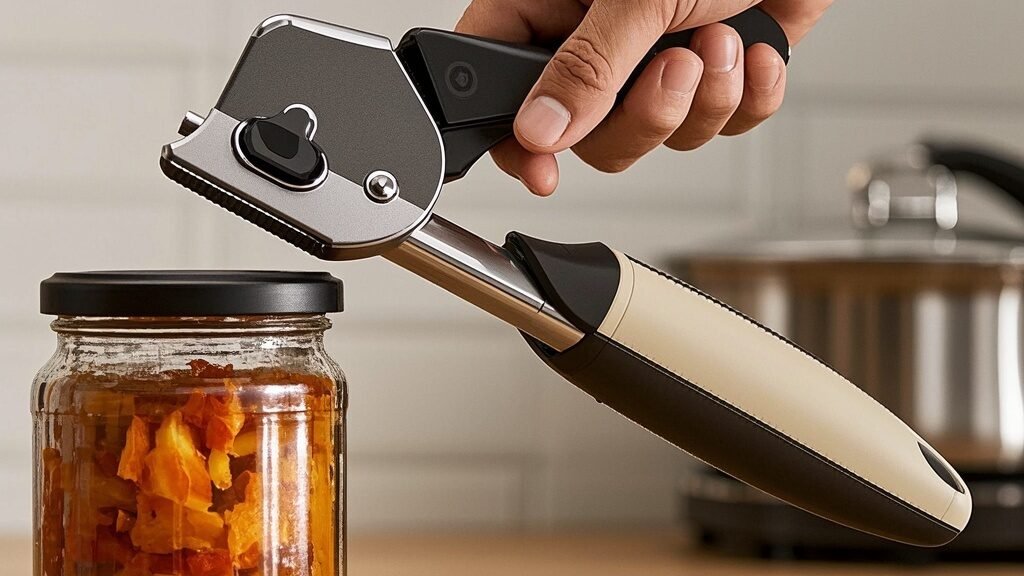
Picture a standard kitchen drawer. Among the whisks and spatias, you’ll likely find a manual can opener—a simple tool that demands a firm grip, steady pressure, and a fair amount of wrist rotation. For many, this is a minor task. But for seniors or anyone with arthritis, limited hand strength, or mobility challenges, that small chore can become a significant barrier to independence in the kitchen. This is where the automatic can opener transforms from a convenience into an essential tool. But a common question arises: can these helpful devices handle the variety of cans in your pantry? The short answer is most can, but with important nuances. Understanding the capabilities and limitations of automatic can openers is key to finding the right model for your needs.

How Automatic Can Openers Work and Their Key Benefits

Unlike their manual counterparts, electric and automatic openers use a small motor to do the hard work. You typically place the can on a magnetic holder or platform, align the cutter, and press a button. The device then rotates the can against a cutting blade, cleanly removing the lid without requiring you to turn a crank. This fundamental shift in operation delivers profound benefits for the target audience.

Accessibility and Ease of Use: The primary advantage is the drastic reduction in physical effort. There’s no squeezing of handles or repetitive twisting. A single button press or lever pull activates the process, making it accessible for individuals with arthritis, carpal tunnel, or general weakness in their hands … Read the rest

What Automatic Can Opener Is Best for Seniors Living Alone?

What Automatic Can Opener Is Best for Seniors Living Alone?

Opening a simple can of soup or vegetables shouldn’t feel like a daunting task. For many seniors aging in place, the daily ritual of preparing a meal can be interrupted by the frustrating struggle with a manual can opener. Arthritis, reduced grip strength, or hand tremors can turn this basic kitchen tool into a source of anxiety and even a safety hazard. This is where the right automatic can opener becomes more than a convenience—it’s a key tool for maintaining independence and dignity in the kitchen.

Why an Automatic Can Opener Is a Game-Changer for Seniors

Manual can openers require significant hand strength, precise wrist motion, and a steady grip—all of which can diminish with age or certain health conditions. An electric or automatic model addresses these challenges head-on. The primary benefit is the drastic reduction in physical effort. With a simple press of a button, the machine does all the work, magnetically lifting the lid away from sharp edges. This not only conserves energy but also minimizes the risk of pain or strain for those with arthritis.

Safety and Independence
Beyond ease of use, safety is paramount. A high-quality automatic can opener for seniors is designed with features like hands-free operation, which keeps fingers away from the cutting mechanism and the freshly cut lid. The smooth, clean cut eliminates jagged edges that can cause cuts. This combination of safety and simplicity empowers seniors to prepare their own meals confidently, supporting their desire to live independently for longer.

Key Features

Read the rest

What Automatic Can Opener Is Best for Button Control?

What Automatic Can Opener Is Best for Button Control?

Imagine the simple act of opening a can of soup. For many, it’s a mundane kitchen task. But for seniors or anyone with arthritis, limited grip strength, or hand tremors, that stubborn metal lid can feel like an insurmountable barrier. The struggle isn’t just about convenience; it’s about maintaining independence and dignity in the kitchen. This is where the modern automatic can opener transforms from a simple gadget into an essential tool for accessible living. The key to unlocking this independence often lies in one feature: intuitive button control.

Why Button Control is a Game-Changer for Accessibility

Traditional manual can openers require significant grip strength, precise wrist rotation, and steady pressure—a combination that can be painful or impossible for many. Automatic models eliminate the physical effort, but not all controls are created equal. The Power of a Single Touch is what sets the best models apart. A large, well-defined button that requires minimal pressure to activate is ideal. It should be logically placed, often on top of the unit, so it can be pressed with a palm, fist, or even an elbow if necessary, accommodating various mobility limitations.

Safety and Simplicity in Design are paramount. The best button-controlled openers feature clear “start” and “stop” functions, sometimes on the same button. A smooth, magnetized lid holder that automatically lifts the lid away eliminates the need to touch sharp edges. This thoughtful design prevents cuts and burns, addressing a major safety concern for users with reduced dexterity or sensation in their fingers. When … Read the rest