All posts by best can opener

What is the safest electric can opener for seniors?

What is the safest electric can opener for seniors?

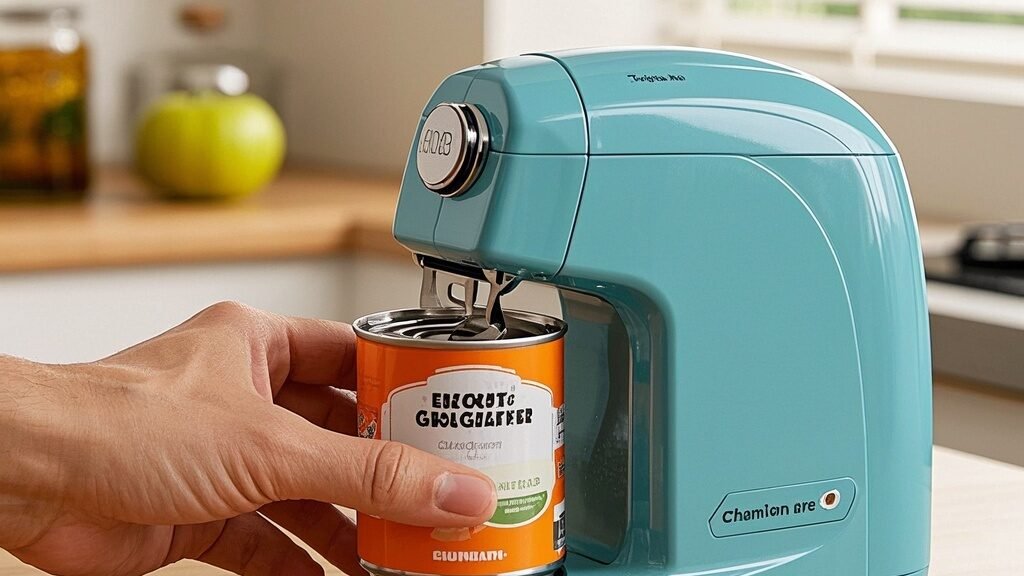
Imagine standing in your kitchen, a simple can of soup in hand. Your fingers, perhaps stiff from arthritis, struggle to grip a manual opener. The wrist strength needed for a twist-and-turn motion is just not what it used to be, and the thought of a sharp, jagged lid is a genuine source of anxiety. This everyday task transforms into a moment of frustration and even risk. For many seniors and their caregivers, the quest for independence in daily routines hinges on finding tools that prioritize safety and ease above all else. This brings us directly to the core question: What is the safest electric can opener for seniors? The answer isn’t about a single “best” model, but a set of features that work together to minimize physical strain and maximize peace of mind during a deceptively simple chore.

Key Safety and Accessibility Features to Demand

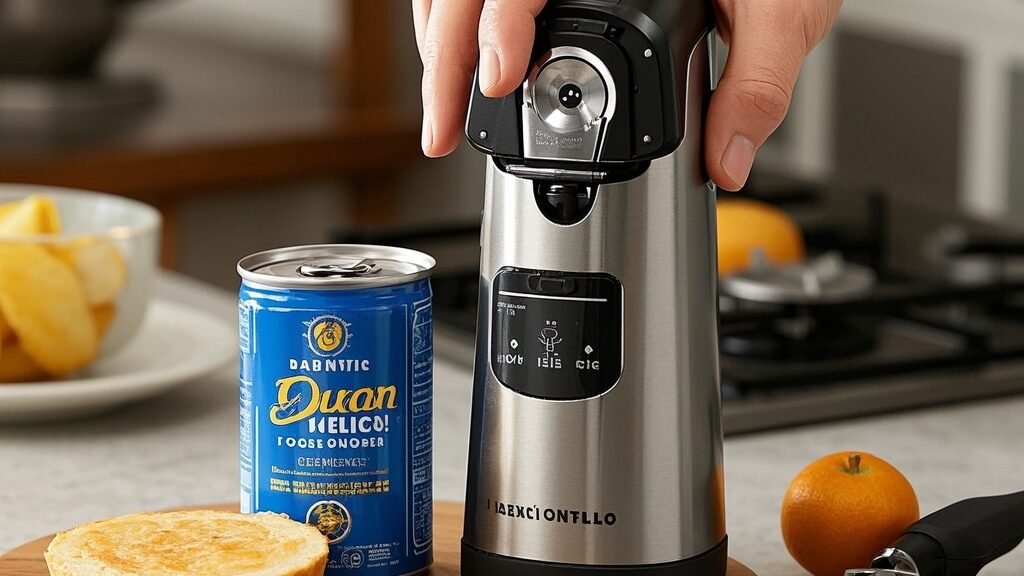
When evaluating safety, we must look beyond just avoiding cuts. The safest electric can opener for an older adult addresses a spectrum of needs. First, hands-free operation is non-negotiable. The best models firmly grip and magnetically hold the lid after cutting, completely eliminating the need for fingers to touch sharp metal. This feature alone prevents countless nicks and cuts. Second, consider the activation mechanism. Large, easy-press buttons or a single, prominent lever are far superior to small, fiddly switches. They require minimal dexterity and pressure. Third, automatic shut-off is a critical safety net. Once the cutting cycle is complete, the machine stops on its own, preventing … Read the rest
What electric can opener is best for people with hand pain?

What electric can opener is best for people with hand pain?

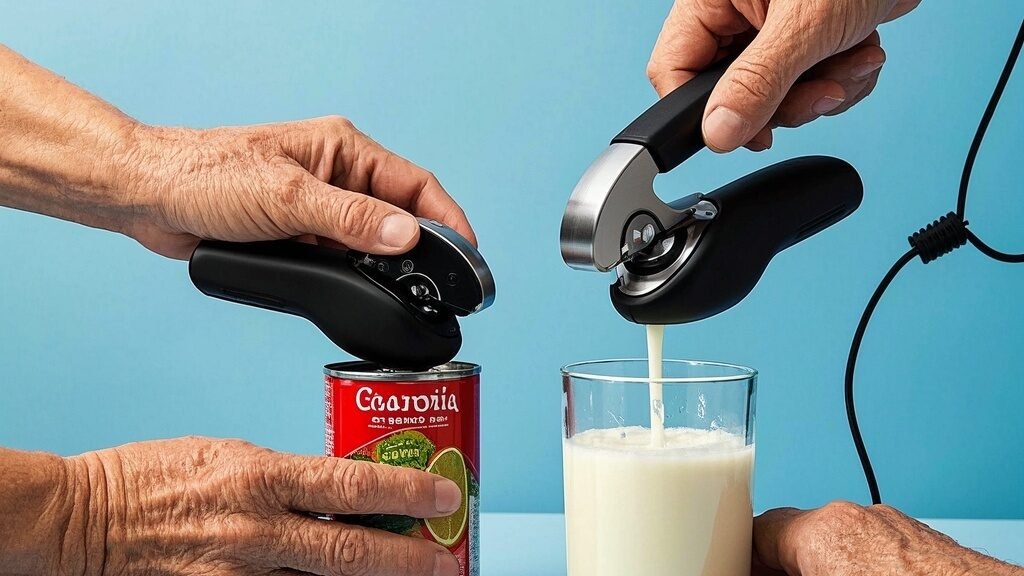
That simple act of making dinner—reaching into the cupboard, grabbing a can of beans or soup—can become a moment of dread when your hands ache. The familiar struggle: wrestling with a manual opener, the sharp metal edge digging into your palm, the twisting motion sending a jolt through arthritic joints or weakened wrists. You’re not just opening a can; you’re battling a piece of metal, and the pain can make a basic task feel overwhelming. For millions dealing with arthritis, reduced grip strength, or chronic hand pain, finding the right electric can opener isn’t about luxury; it’s about reclaiming independence and comfort in the kitchen. The best one isn’t necessarily the most powerful or feature-packed, but the one that understands and adapts to your physical needs, turning a chore back into a simple, pain-free step.

Key Features That Ease the Struggle

So, what should you prioritize when pain and limited dexterity are your main concerns? The goal is minimal physical input for maximum, reliable output. First and foremost, look for large, easy-to-press buttons or levers. A bulky “power” button that requires a full palm press is far better than tiny, fiddly switches that demand precise finger pressure. The machine should do the work, not your fingers. Secondly, consider the height and design of the unit. A front-operating, horizontal opener that sits low on the counter and allows you to slide a can in from the front is often easier than a top-loading model that requires you to … Read the rest

Are electric can openers better than manual ones?

Are electric can openers better than manual ones?

The humble can opener is a kitchen drawer staple, yet it often inspires a surprising amount of debate. Picture this: your hands are slick from preparing dinner, you’re trying to multitask, and a stubborn can of tomatoes refuses to yield to your twisting, straining manual opener. In moments of culinary frustration, the question of tool efficiency moves from abstract to intensely practical. This common scenario forces a direct comparison between two distinct approaches to a simple task, pushing us to ask: Are electric can openers better than manual ones? The answer isn’t a simple yes or no, but a balance of convenience, control, cost, and kitchen philosophy.

Convenience vs. Control: The Core Trade-Off

Let’s start with the electric opener’s biggest sell: effortless operation. You place the can under the magnetic cutter, press a button, and it does the work for you. Your hands stay clean, and there’s no wrist strain—a significant advantage for those with arthritis, limited hand strength, or who simply open multiple cans frequently. Most models leave a smooth, safe edge on the can lid, eliminating sharp rims. However, this convenience comes with trade-offs. Electric units require counter space and an outlet, and they need periodic cleaning of their cutting mechanism to prevent food gunk buildup. The manual opener, in contrast, is a study in direct control. It’s lightweight, portable, and ready to use anywhere, from your kitchen to a campsite. You dictate the speed and pressure. While mastering the perfect alignment on a manual opener can be tricky, a … Read the rest

Which electric can opener is most reliable in 2025?

Which electric can opener is most reliable in 2025?

Imagine it’s the heart of dinner prep. A recipe calls for two cans of tomatoes, but your trusty electric can opener—the one you’ve had for years—lets out a weary groan and stalls halfway through the second can. Juice drips down the cabinet, your timeline is ruined, and you’re left wrestling with a manual opener. This mundane yet universal frustration highlights a simple truth: in our kitchens, reliability isn’t a luxury; it’s a necessity. As we look at kitchen tools in 2025, the question of which electric can opener is most reliable becomes less about mere convenience and more about seamless integration into our daily routines. The answer no longer hinges on a single “indestructible” gadget, but on a combination of evolved design, smart durability, and matching the right machine to your specific lifestyle.

The 2025 Reliability Standard: Beyond Just Not Breaking

Gone are the days when reliability for an electric can opener meant solely that it turned on and cut a can. In 2025, reliability is a multi-faceted promise. First is durability and build quality. The most reliable models now feature robust motors resistant to jam-induced burnout, and housings made from higher-grade plastics or composites that withstand drops and daily wear. Brands like Cuisinart and Hamilton Beach have notably improved internal gear designs to prevent the plastic stripping that was a common failure point in older models. Second is consistent performance across various can types. A reliable opener in 2025 must effortlessly handle everything from thin aluminum soda cans to … Read the rest

Do electric can openers leave sharp edges?

Do electric can openers leave sharp edges?

The satisfying hum of an electric can opener promises a world free from the struggle of a stubborn manual crank. You picture a quick, effortless motion, a perfect lid removal, and safe, smooth edges ready for disposal. But then, a moment of hesitation hits as you lift the lid. That metal rim doesn’t just look sharp—it *feels* sharp. A familiar, low-grade kitchen anxiety sets in. Is this normal? Are you risking a cut every time you use this convenient gadget? Do electric can openers leave sharp edges? The answer is more nuanced than a simple yes or no, and it hinges on the fascinating mechanics of how these devices work versus their manual counterparts.

The Cutting Mechanism: Why Edges Might Feel Sharp

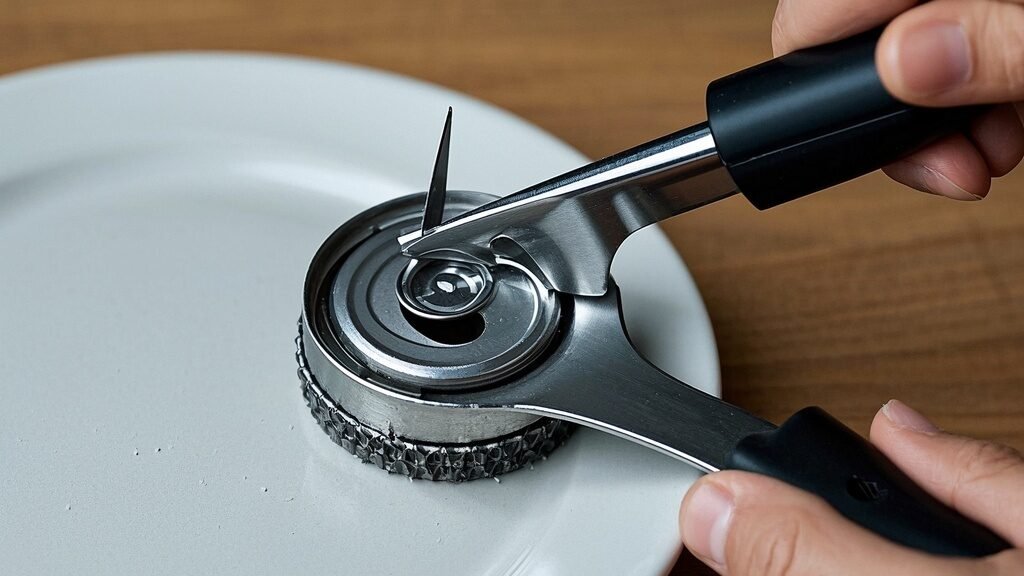
To understand the edge left behind, we need to look under the hood. A standard manual side-cutting can opener works by puncturing the lid and then using a rotating wheel and a serrated cutting wheel to shear the metal from the side. This action typically leaves the detached lid with a characteristically smooth, rolled-under edge, while the can itself retains a rim that is often deemed safer to touch. Electric can openers, in their quest for automation and consistent operation, often employ a different tactic: the top-cutting or “can-piercing” method.

Many electric models are designed to cut from the top of the can, just inside the outer rim. A powerful magnet usually holds the lid after it’s cut. This process is incredibly consistent and hands-free, but the cutting mechanics can … Read the rest

What is the best automatic can opener for weak hands?

What is the best automatic can opener for weak hands?

Imagine the simple act of making a pot of chili or opening soup for a quiet dinner. For many, it’s a mundane task. But if your hands ache, lack strength, or struggle with coordination, that humble can transforms into a frustrating, sometimes impossible, barrier. The struggle isn’t just physical—it’s the sigh of defeat before you’ve even started cooking, the reliance on waiting for someone else to help with a basic need. This is where the right tool doesn’t just add convenience; it restores independence and joy in the kitchen. Finding the best automatic can opener for weak hands becomes a search for more than a gadget—it’s a quest for empowerment. It’s about turning a daily challenge into a seamless, even enjoyable, part of your routine.

Key Features That Make a Real Difference

Not all automatic can openers are created equal, especially when dexterity or grip strength is a concern. The best models are designed with universal principles that prioritize ease over effort. First, look for one-touch operation. The ideal opener requires a single button press to both pierce the lid and magnetically lift it away, with no need to hold the button down. This is crucial for those with arthritis or hand fatigue. Second, consider the size and grip of the machine itself. A stable, non-slip base is essential so it doesn’t slide around during use, and a lightweight body is easier to move and store. Third, pay attention to charging vs. battery power. Cordless, rechargeable models … Read the rest

Are automatic can openers safe for elderly people?

Are automatic can openers safe for elderly people?

Picture this: it’s dinnertime, and a simple can of soup stands between you and a warm meal. For many older adults, this everyday task can become a source of frustration or even anxiety. Arthritic hands struggle to grip a manual opener, weakened wrists can’t generate enough turning force, and concerns about sharp lids or slipping tools turn a quick chore into a daunting challenge. In the quest for maintaining independence in the kitchen, a simple device often emerges as a potential hero: the automatic can opener. But is this convenient appliance truly a safe solution for elderly users, or does it introduce new risks?

Understanding the Safety Advantages

The core safety benefits of automatic can openers for seniors are significant and address some of the most common physical limitations. First and foremost, they eliminate the need for manual strength and dexterity. Users with arthritis, Parkinson’s, or general weakness simply place the can, align the magnet (on most models), and press a button. The machine does the hard work of gripping and rotating the can, removing the painful twisting motion. Secondly, they dramatically reduce the risk of cuts. A quality automatic opener leaves a smooth, safe edge on the can, unlike the jagged rim left by some manual openers. The user never touches the lid itself, which is typically held securely by a magnet, preventing accidental contact with sharp metal. This addresses a major fear for both seniors and their caregivers. Furthermore, many modern designs are easy to operate with Read the rest

How does a one-touch can opener work?

How does a one-touch can opener work?

You’re in the middle of preparing a quick chili, hands already smudged with spices. The recipe calls for two cans of tomatoes, but your trusty manual opener feels like a relic—the awkward hooking, the strenuous twisting, the occasional jagged lid edge that makes you wince. For a tool used for such a simple, frequent task, it demands surprising effort. This universal kitchen friction is precisely what the one-touch can opener aims to eliminate. By transforming a physical chore into a seamless automated process, this device doesn’t just open cans; it redefines the interaction entirely. But the magic isn’t in sorcery—it’s in clever, practical engineering. So, how does a one-touch can opener work? The answer lies in a smart marriage of basic mechanics and simple electronics, all designed for ultimate user convenience.

The Core Mechanism: More Than Just a Blade

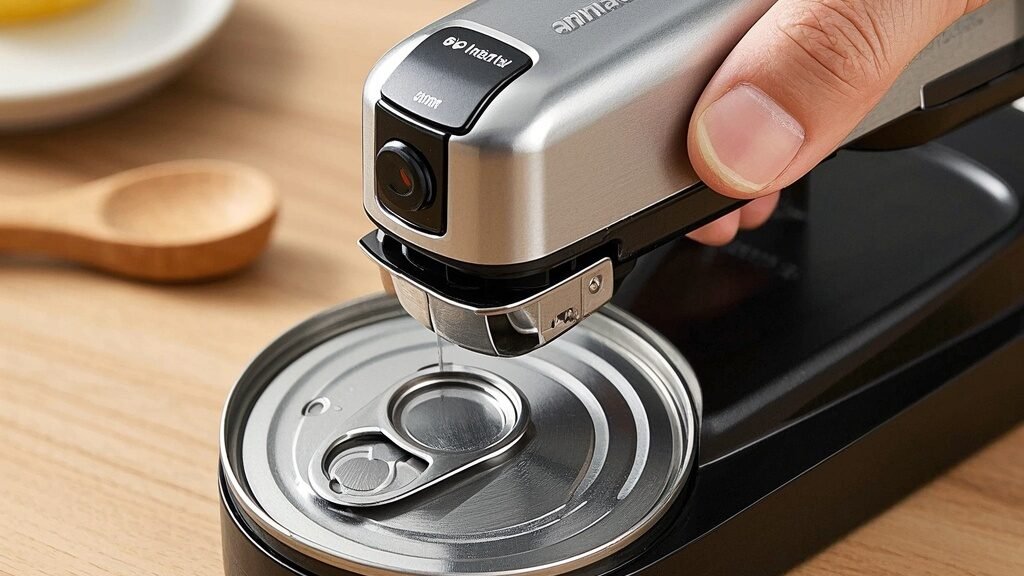
At its heart, every can opener must perform two critical functions: puncture the lid and cleanly separate it from the can. Traditional openers require you to provide the rotational force and downward pressure. A one-touch opener automates both. When you place a can onto its platform (often with a magnetic holder to keep it steady) and press down on the lever or button, you activate a small electric motor. This motor drives two primary components: a rotating serrated wheel (the cutter) and a geared wheel that grips the can’s rim. Once engaged, the motor turns these wheels in unison. The cutter wheel bites into the lid’s edge while the geared wheel turns the *can … Read the rest

What is the easiest can opener for seniors to use?

What is the easiest can opener for seniors to use?

Imagine standing in your kitchen, a simple can of soup in hand. Your fingers, perhaps stiffened by arthritis or less steady than they once were, fumble with a traditional, bulky opener that requires a firm grip and a strong twist. What should be a quick task becomes a source of frustration, a small but daily reminder of physical limitations. For millions of older adults, this isn’t just a hypothetical scene—it’s a real obstacle to independence and ease in the kitchen. The quest for the easiest can opener for seniors to use isn’t about luxury; it’s about dignity, safety, and reclaiming the simple joy of preparing a meal without struggle. It hinges on a shift from manual force to intelligent, accessible design that accommodates changing abilities.

Core Challenges: Grip Strength, Dexterity, and Safety

Before evaluating specific openers, it’s crucial to understand the common physical hurdles. Arthritis, reduced hand strength, tremors, or limited wrist mobility can make using a standard, side-cutting manual opener nearly impossible. These models require significant downward pressure, a tight pinch grip to turn the knob, and precise alignment—all potential pain points. Safety is another major concern. Slippery hands can lead to slips against sharp edges, and struggling with a stuck opener can cause strain or accidents. Therefore, the “easiest” opener directly addresses these issues: it should minimize the force needed, maximize stability, eliminate the need for a tight grip, and create a safe process from start to finish. The goal is an operation that feels secure and almost … Read the rest

Do one-touch can openers really work?

Do one-touch can openers really work?

Imagine it’s the end of a long day. You’re in the middle of preparing dinner, your hands are slick with olive oil or maybe holding a fussy toddler, and you need to open a can of tomatoes for the sauce. The familiar, slightly rusted manual opener is nowhere to be found. You finally locate it, wrestle it onto the can, and begin the awkward, two-handed cranking ritual, often ending with a jagged lid and a strained wrist. It’s a universal minor annoyance, a tiny friction point in modern kitchens that somehow persists. This mundane struggle is precisely what the one-touch can opener promises to eliminate. With a claim so simple and bold, it’s natural to be skeptical. Can a single button press truly handle such a stubborn, physical task? We tested them, took them apart, and put them through the paces to answer the core question once and for all.

The Mechanics Behind the Magic

To understand if they work, you first need to know *how* they work. Unlike traditional openers that require you to manually pierce and rotate, an electric one-touch model is essentially a small, specialized appliance. You place the can onto a magnetic lid holder or a serrated drive wheel, align the cutting mechanism, and press a button (usually a large, prominent “Open” button). A small, quiet motor engages. It does three things automatically: it magnetically secures the lid, drives a cutting wheel to cleanly pierce and sever the lid from the can, and then retracts. The entire process takes about … Read the rest