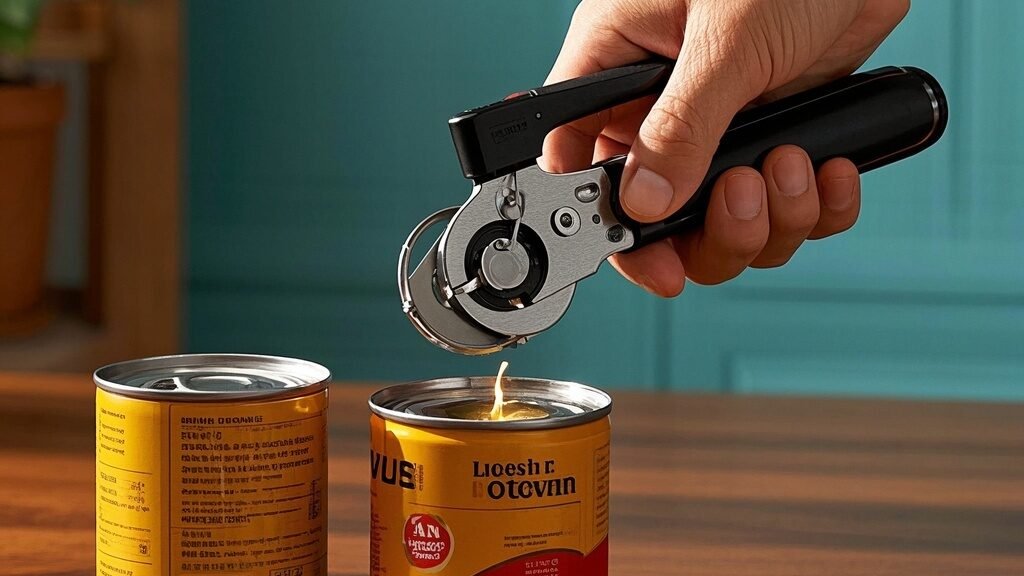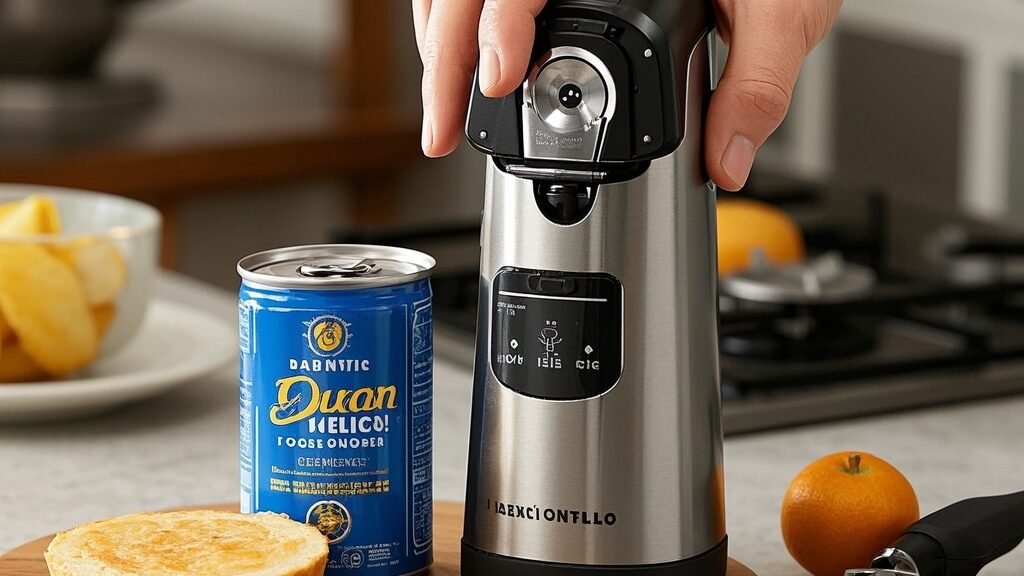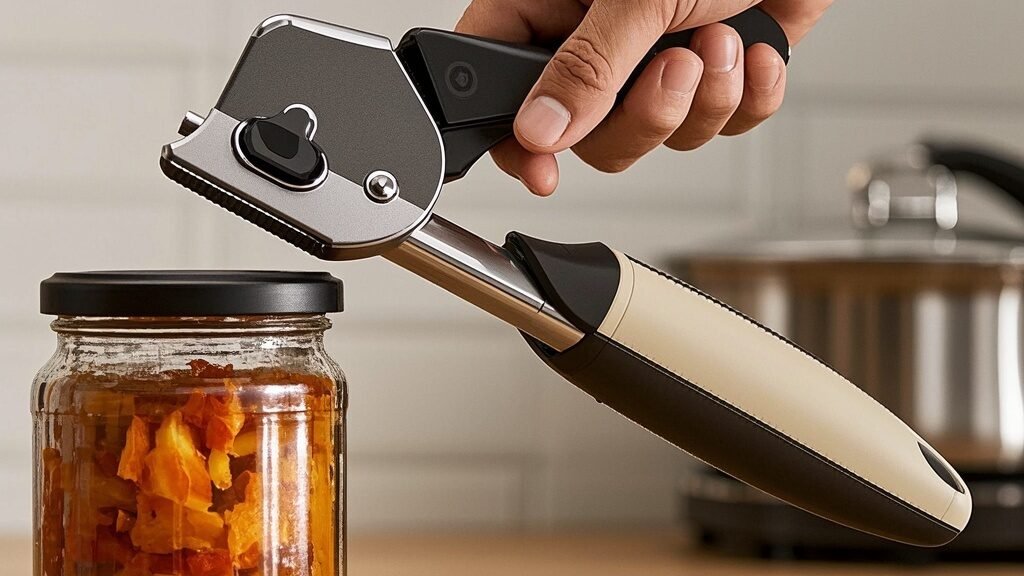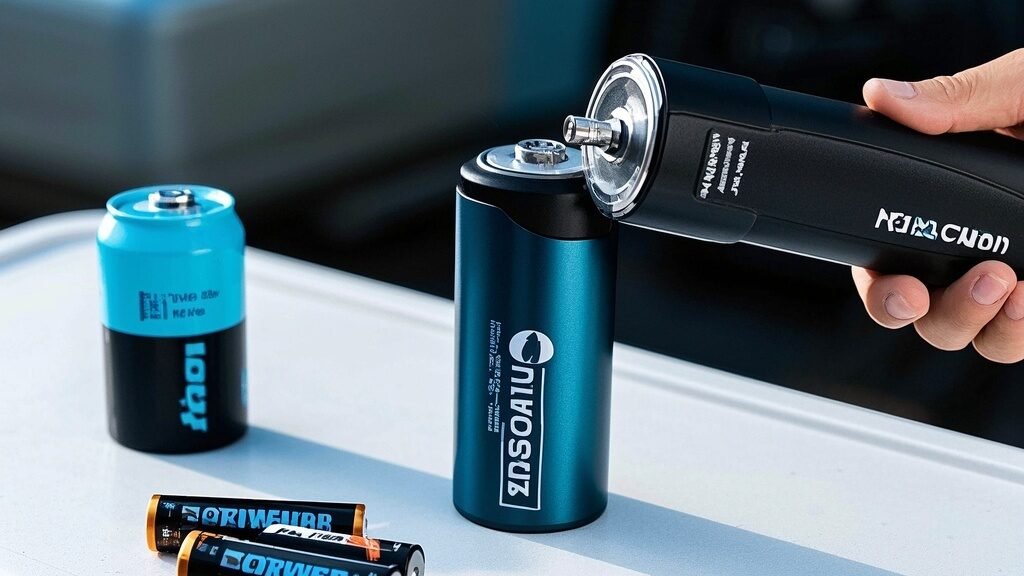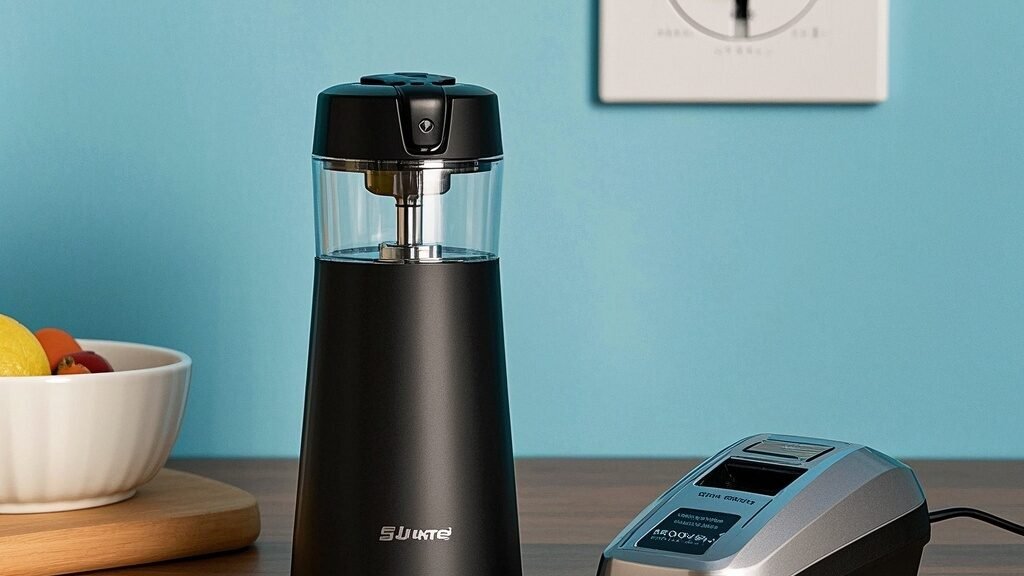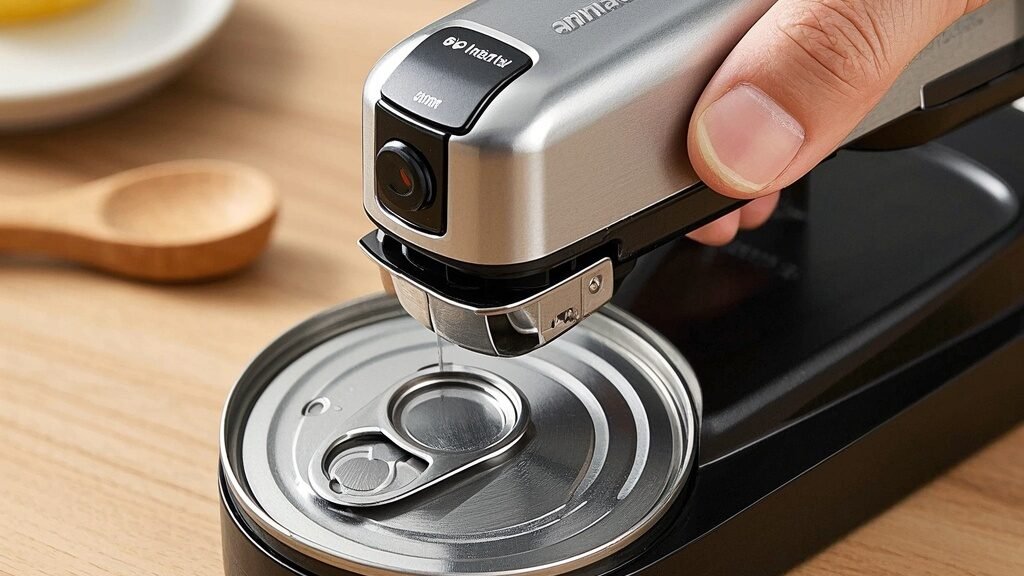
What can opener requires the least hand strength?
You’re staring down a simple can of soup, but it might as well be a bank vault. Your hands, whether due to arthritis, an old injury, or just a lack of grip strength, ache at the thought of the twisting, pressing, and leverage required by that traditional opener in the drawer. This daily struggle is silent but real, turning a basic kitchen task into a frustrating obstacle. The quest for a tool that minimizes this effort isn’t about laziness; it’s about accessibility, independence, and preserving the joy of cooking. So, what can opener truly requires the least hand strength? The answer lies not in one single tool, but in understanding how different designs fundamentally alter the physical demand placed on your hands and wrists.
The Mechanics of Effort: Why Traditional Openers Fail
To find the easiest-to-use opener, we must first understand why the classic manual opener is so problematic for many. Traditional side-opening or “bicycle” style openers require a trifecta of hand actions: a firm, sustained grip to clamp onto the can, significant downward pressure to pierce the lid, and then a repetitive twisting motion using wrist and forearm strength. This combination challenges grip, pressure, and rotational force simultaneously. For anyone with joint pain, weakened muscles, or conditions like carpal tunnel, each step can be a barrier. The required hand strength isn’t just about power; it’s about endurance and stability in specific, awkward positions. Therefore, the path to less hand strength isn’t about finding a “stronger” opener, but one that redesigns or … Read the rest