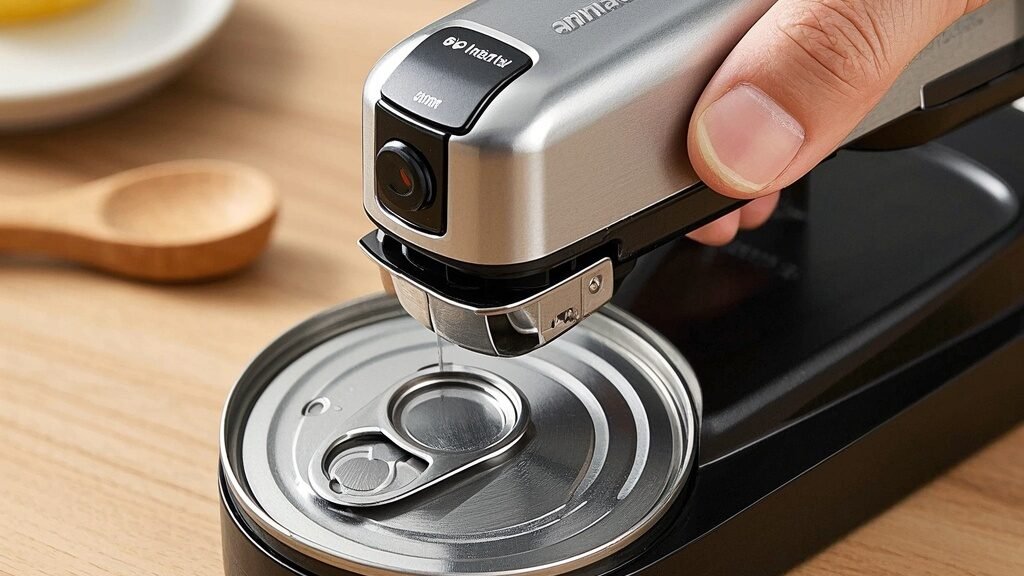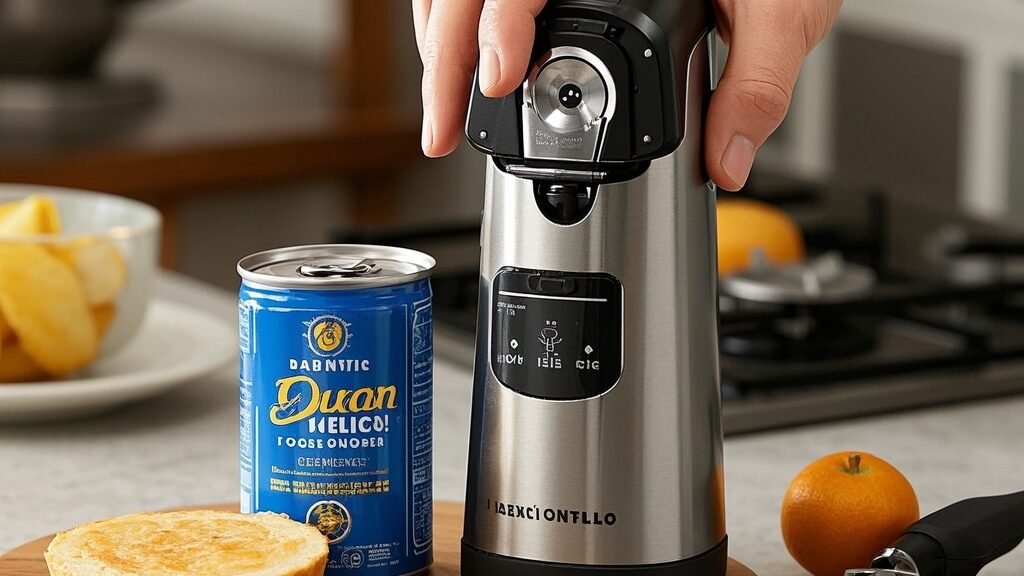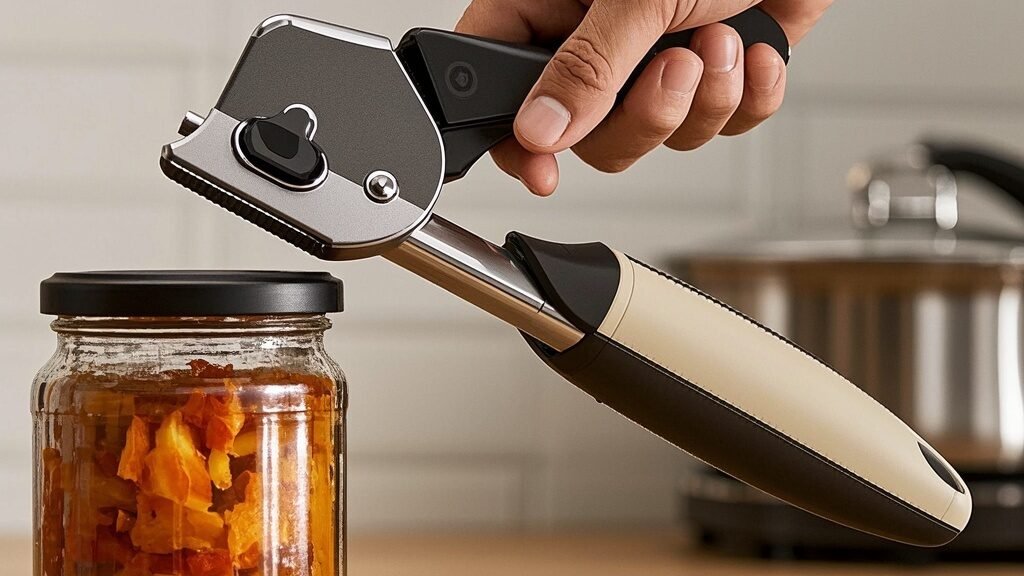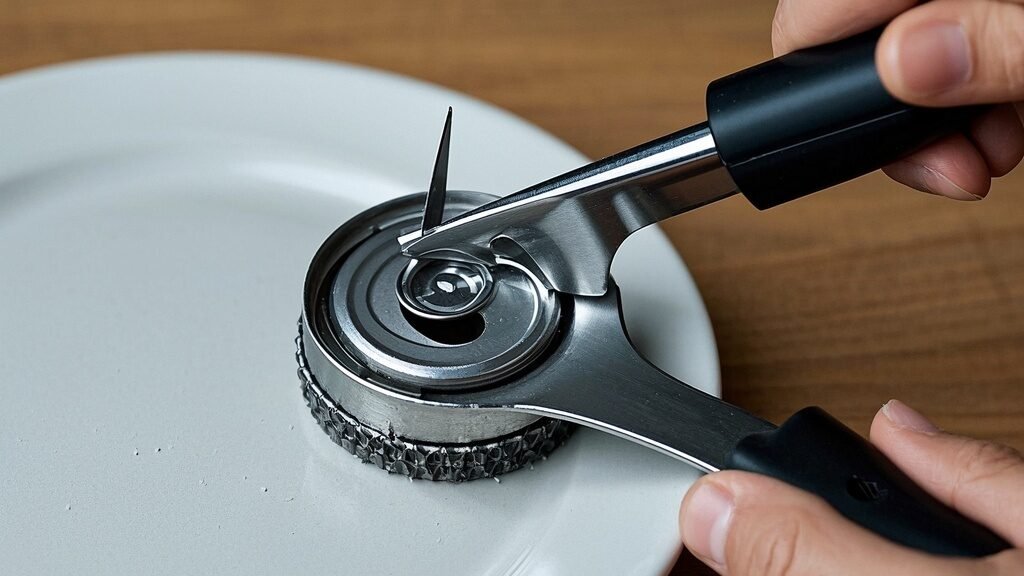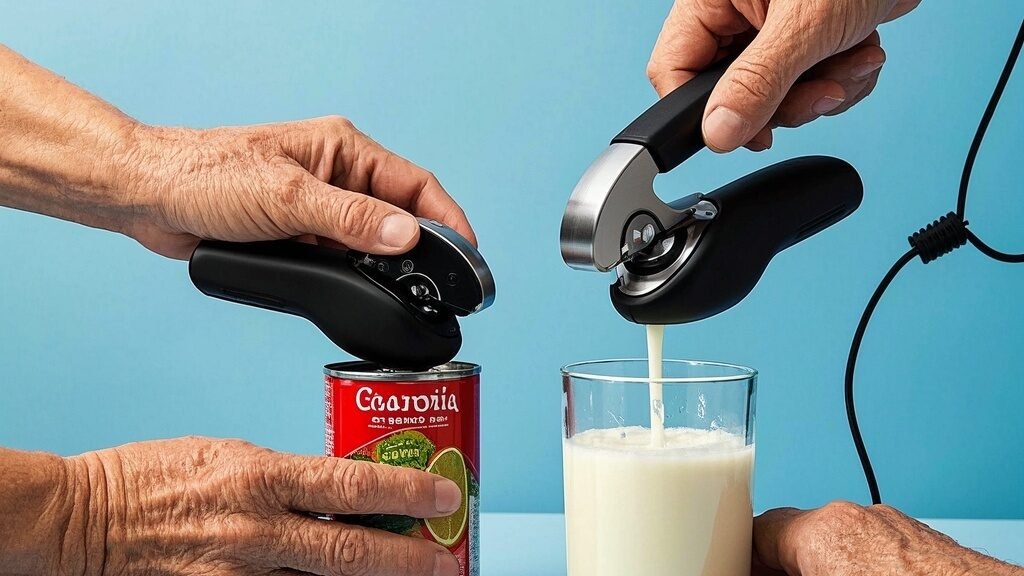
Is a safety can opener worth it?
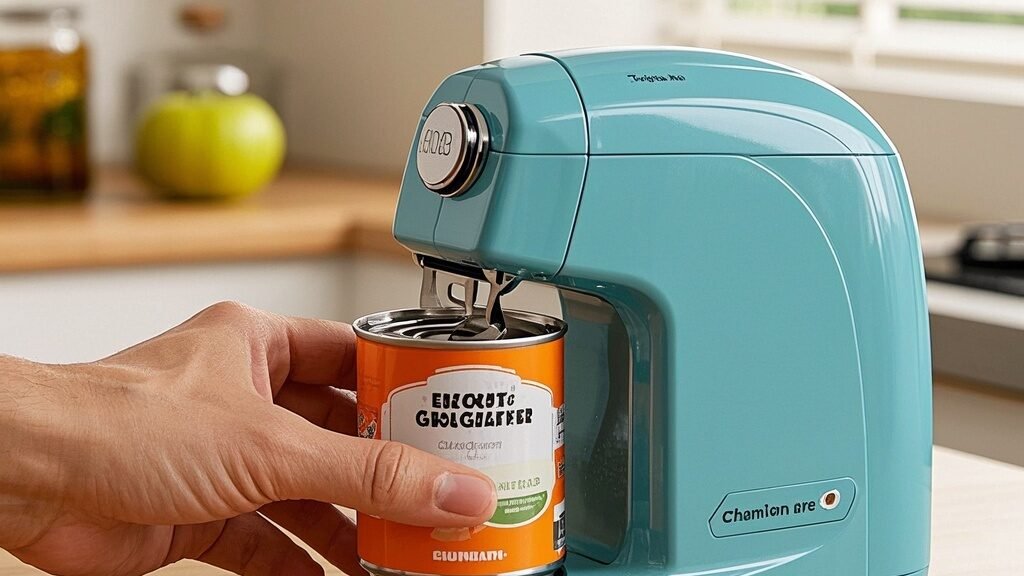
Imagine this: it’s a busy Tuesday evening, and you’re rushing to get dinner ready. You grab a can of tomatoes, fumble with the old, slightly rusty opener, and apply pressure. Suddenly, your hand slips. A sharp, jagged lid edge stares back at you, and a thin line of red appears on your finger. The minor cut is more an annoyance than an emergency, but it perfectly encapsulates a daily risk we’ve all accepted. For decades, the traditional can opener has been a kitchen staple, yet its fundamental design—creating a hazardous, sharp-edged lid—has gone largely unquestioned. This brings us directly to the modern solution: is a safety can opener worth it? It’s not just a minor upgrade; it’s a re-evaluation of a tool we use almost on autopilot, prioritizing prevention over the familiar, risky routine.
The Hidden Cost of the Classic Design
Let’s start by acknowledging what a traditional can opener actually does. It uses a cutting wheel to pierce and shear through the metal seam of the lid, leaving the detached lid with a razor-sharp perimeter. This design is effective for one job—opening the can—but fails entirely at user safety. The risks are numerous: cuts from handling the lid, accidental nicks while washing the opener itself (those trapped food particles harbor bacteria), and the danger of leaving the lid partially attached, poised to fall into the food. For households with children, seniors with less grip strength, or anyone with dexterity concerns, these aren’t just hypotheticals. The safety can opener addresses this primary flaw … Read the rest