All posts by best can opener

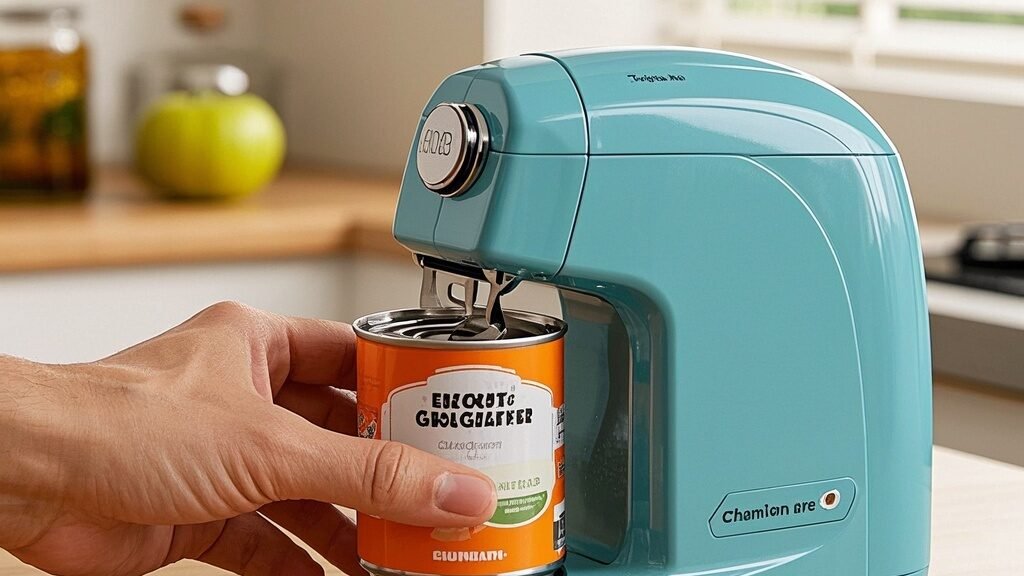
What Electric Can Opener Is Best for Small Kitchens?

What Electric Can Opener Is Best for Small Kitchens?

Imagine this: you’ve just moved into your charming, efficient apartment. The kitchen has exactly enough counter space for your coffee maker, a cutting board, and maybe a bowl of fruit. Every square inch is precious. Now, you’re staring at a recipe that calls for canned tomatoes, your trusty manual opener has finally given up, and the thought of adding another bulky gadget makes you sigh. This is the precise dilemma where the right tool doesn’t just add function—it preserves sanity. Choosing the best kitchen gear isn’t about having the most features; it’s about what disappears seamlessly into your workflow and space. The quest for the best electric can opener for a small kitchen forces us to rethink what “best” really means: it’s not the most powerful, but the most intelligently designed for compact living.

The Compact Criteria: What to Really Look For

Forget just measuring inches. A space-saving electric can opener must excel in three dimensions: footprint, function, and form. First, the footprint isn’t just about its base size. Consider its *profile*. A tall, narrow design might take up less counter space than a short, wide one. Some models offer vertical operation or a sleek, low-rise silhouette that can tuck under cabinets easily. Second, function should be multi-faceted. Does it *only* open cans? Some of the best compact models double as jar openers or even have built-in bottle openers, reducing the need for other tools. Third, form matters for stowability. A cordless model liberates you from outlet proximity and makes storage … Read the rest
What Should You Look for When Buying an Electric Can Opener?

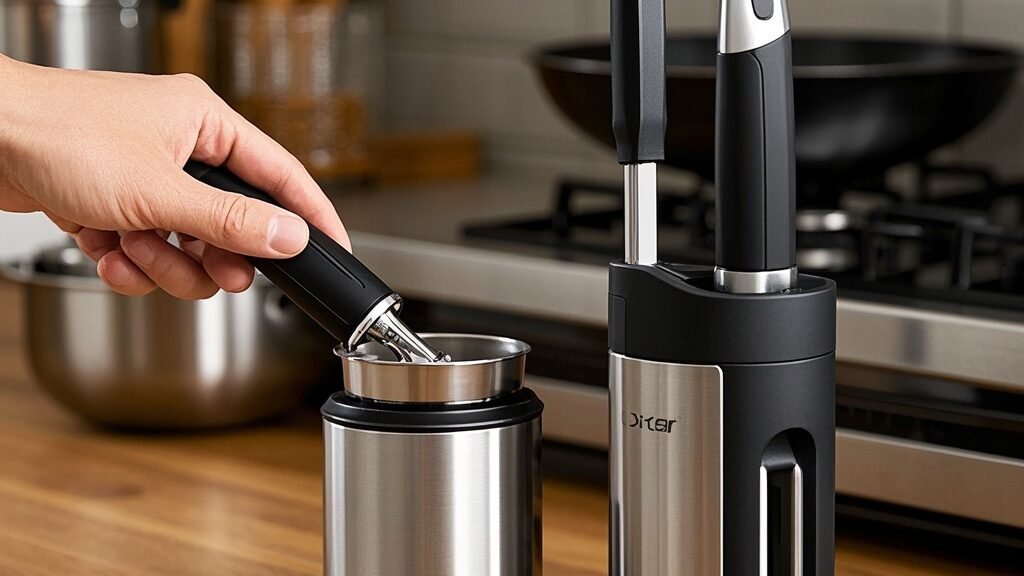
What Should You Look for When Buying an Electric Can Opener?

There’s a quiet, almost forgotten frustration that lives in many kitchen drawers. It involves a stubborn manual can opener, a slippery tomato sauce can, and the moment your wrist gives out before the lid does. In our pursuit of culinary convenience, we often overlook the humble electric can opener—until the day we desperately need one. Choosing the right model, however, is less about desperation and more about understanding how a simple tool can eliminate a daily nuisance. So, when the time comes to upgrade, what should you look for when buying an electric can opener? The answer goes beyond just opening cans; it’s about finding a device that aligns with your kitchen habits, space, and safety needs.

Core Performance and Everyday Reliability

Let’s start with the obvious: it has to work, and work consistently. The primary job is to cleanly open standard steel cans without leaving ragged edges or struggling with the final hinge. Look for a powerful motor; a weak one might stall on denser items like pumpkin puree or condensed milk. The cutting mechanism is key. A precision sharp blade that smoothly pierces and glides around the rim is essential. In our testing, models with serrated or dull blades often crushed the lid into the food or left a dangerously sharp edge.

Consider the hands-free operation. Most electric openers magnetically hold the lid after cutting, which is a fantastic safety and convenience feature—no more fishing for a fallen lid in the beans. Also, pay attention to … Read the rest

How Does a One-Touch Can Opener Work?

How Does a One-Touch Can Opener Work?

Imagine it’s a busy weeknight. You’re halfway through making dinner, your hands are messy, and you need to open a can of tomatoes. You fumble with a manual opener, struggling to get a grip, twisting and forcing the mechanism. For a moment, you might even wonder if the can will win the fight. Now, picture a different scene: you place the can on a device, press a button, and in seconds, the lid is smoothly removed, hands-free. This isn’t magic; it’s the practical engineering of a one-touch can opener. This clever kitchen tool has transformed a mundane, sometimes frustrating task into an effortless gesture, appealing especially to those with arthritis, limited hand strength, or simply a love for convenience. But what’s happening inside that sleek exterior to make it so simple?

The Core Mechanism: Magnetism and Precision Cutting

At its heart, a one-touch can opener is a compact, automated cutting system. Unlike manual openers that require you to physically turn a crank, this device uses a small electric motor to do all the work. Here’s the step-by-step breakdown. You place a standard-sized metal can onto the unit’s rotating base, or “turntable,” and align it under the cutting assembly. When you press the start button (often a large, easy-to-use pad), two things happen simultaneously. First, the turntable begins to spin the can. Second, a small, powerful cutting wheel—similar to the one on a manual opener but motor-driven—descends and pierces the lid’s rim. As the can rotates, the wheel cleanly cuts through the seal … Read the rest

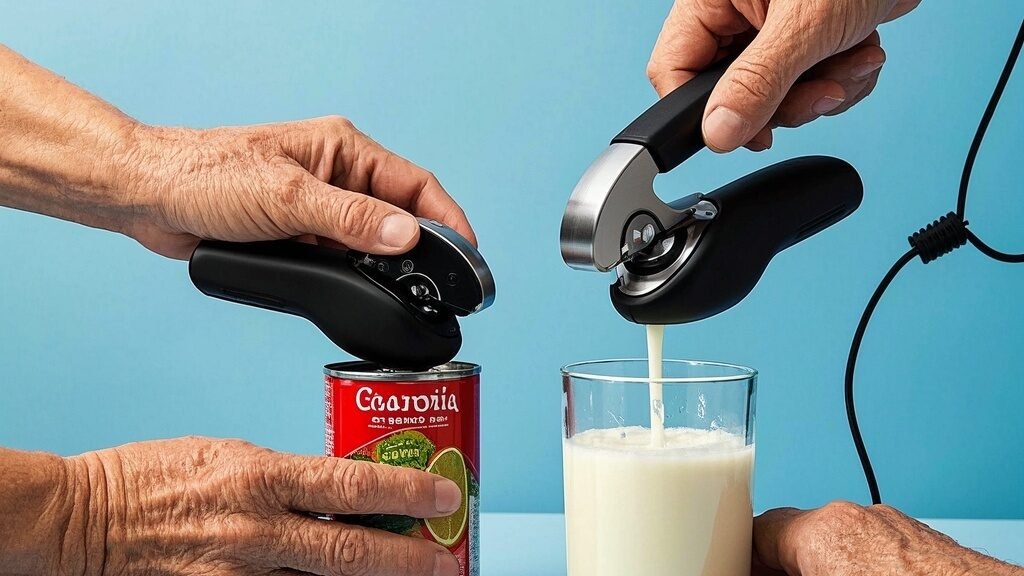
What Is the Best Automatic Can Opener for Weak Hands?

What Is the Best Automatic Can Opener for Weak Hands?

Imagine facing a simple pantry staple—a can of soup—and feeling a wave of frustration. Your hands, perhaps due to arthritis, aging, injury, or a chronic condition, simply won’t cooperate with that old-fashioned manual opener. The twisting, the gripping, the pressure—it transforms a basic task into a daily challenge. This common struggle highlights why finding the best automatic can opener for weak hands isn’t just about convenience; it’s about reclaiming independence in the kitchen. In a market filled with gadgets, the right tool can make all the difference, turning a source of frustration into an effortless action.

Key Features That Make a Real Difference

Not all automatic openers are created equal, especially when dexterity or strength is limited. The ideal model focuses on simplicity, stability, and safety. First, look for one-touch operation. The best devices require just a single press of a large, easy-to-find button to both magnetically attach and automatically rotate around the can’s rim. This eliminates the need to align and hold a cutter precisely. Second, hands-free design is crucial. Once attached, the opener does all the work, leaving your hands completely free. This means no gripping, no twisting, and no bearing down. Third, consider safety and cleanliness. A built-in magnet that lifts and holds the lid after cutting prevents sharp edges and spills. Also, openers that leave a smooth, safe lid edge are preferable. Finally, ease of cleaning matters. Look for models with few crevices or detachable, dishwasher-safe parts to maintain hygiene without strenuous scrubbing.

Performance Read the rest

Do Automatic Can Openers Really Work as Advertised?

Do Automatic Can Openers Really Work as Advertised?

Picture this: it’s a busy weeknight, you’re trying to pull dinner together, and your trusty manual can opener suddenly gives up—leaving a jagged edge and your patience in shreds. In that moment, the promise of a gadget that claims to open cans perfectly with just the press of a button feels less like a luxury and more like a potential kitchen revolution. But does that promise hold up? Do automatic can openers really work as advertised, or are they just another countertop clutter waiting to disappoint? Let’s cut through the marketing and get to the truth.

Performance and Real-World Use
In theory, an automatic can opener sounds like a dream: place a can under the device, press a lever or button, and watch it glide around the rim, leaving a smooth, lid-free can. According to manufacturers, most models are designed to handle standard steel cans, magnetically capturing the lid and often running on batteries or direct power. In our testing, many units do perform this basic task reliably. They eliminate the physical effort and wrist strain of manual twisting, which is a genuine benefit for those with arthritis or limited hand strength. However, “working” isn’t always the same as “working perfectly.” Some users report that cheaper or poorly aligned models can struggle with odd-shaped cans, like shorter tuna cans, or may leave a slight burr. The motor’s noise is also a common surprise—it’s often louder than expected. So while the core function is usually delivered, the experience isn’t always flawless.

Convenience Read the rest

Are One-Touch Can Openers Safe for Seniors?

Are One-Touch Can Openers Safe for Seniors?

Imagine standing in your kitchen, a simple can of soup in hand. Your fingers, perhaps stiff with arthritis or unsteady from a tremor, struggle to grip the old manual can opener. The physical effort required—twisting, pressing, squeezing—turns a basic task into a daunting challenge. For many older adults, this daily frustration is a quiet barrier to independence and nutrition. Enter the modern solution: the one-touch, or electric, can opener. With its promise of effortless operation at the push of a button, it seems like the perfect kitchen ally. But are one-touch can openers safe for seniors? The answer is nuanced, blending undeniable convenience with important considerations for well-being.

The Allure of Effortless Operation

Let’s start with the clear benefits. The primary appeal of a one-touch can opener is its elimination of physical strain. Manual openers demand significant grip strength, wrist rotation, and sustained pressure—actions that can be painful or impossible for those with arthritis, carpal tunnel syndrome, or diminished hand strength. An electric model performs the work for you. You typically just align the cutter, press a button, and it automatically rotates the can, cleanly removing the lid. This restored ability to easily access canned foods can promote better eating habits and greater culinary independence. Furthermore, many modern designs feature hands-free operation or magnetic lid lifters, minimizing contact with the sharp edges of the lid or can, which is a significant safety upgrade over traditional methods that often leave behind a hazardous, jagged rim.

Potential Safety Considerations and Drawbacks

However, convenience does not … Read the rest

Can Automatic Can Openers Open Pull-Tab Cans?

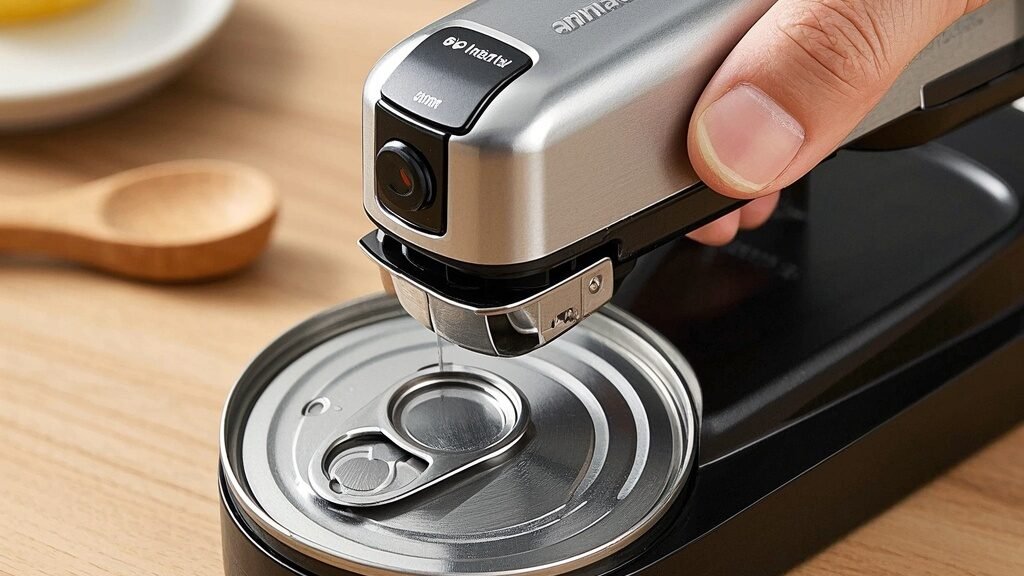
Can Automatic Can Openers Open Pull-Tab Cans?

Imagine this: you’ve just stocked your pantry for the week, proudly opting for convenient pull-tab cans of beans, soups, and fruits. Your trusty automatic can opener sits on the counter, a modern marvel that has banished the struggle of manual twisting forever. But as you reach for a can of chili with its familiar easy-open lid, a sudden, trivial yet persistent question pops into your head: does this electric kitchen helper even have a role to play here? Can automatic can openers open pull-tab cans? The answer is a fascinating look at kitchen tool design, user intuition, and the quiet evolution of everyday packaging. It challenges our assumption that more automation always equals more utility, revealing a simple truth about specialized tools in a world moving toward seamless convenience.

Understanding the Mechanics: Two Different Worlds of Access

To unravel this puzzle, we need to understand what these tools are designed for. A traditional can, requiring an opener, has a sealed lid that is mechanically scored onto the can’s body. An automatic can opener’s primary function is to perform a precise, safe cutting action along this sealed rim, typically from the side, magnetically holding the lid away from the food. A pull-tab can, however, represents a fundamentally different design. The manufacturer has already performed the “opening” step for you by pre-scoring the lid and attaching a riveted tab. The user’s job is simply to leverage that tab to break the seal. There is no continuous rim to cut, no lid to remove. Therefore, an … Read the rest

What Is the Easiest Automatic Can Opener to Use?

What Is the Easiest Automatic Can Opener to Use?

Imagine finally settling in to make your favorite chili recipe, only to spend minutes wrestling with a manual can opener that slips, jams, or leaves a dangerously jagged lid. This small, daily friction is a universal kitchen annoyance. For millions, especially those with arthritis, limited hand strength, or simply a desire for effortless convenience, the promise of an automatic can opener is a beacon of hope. But with a market full of options buzzing and whirring, a pressing question remains: what is the easiest automatic can opener to use? The answer isn’t just about pushing a button; it’s about a seamless integration of intuitive design, reliable performance, and thoughtful features that turn a tedious task into a non-event.

Defining “Easy”: More Than Just Automation

When we hunt for the easiest tool, we must first define “easy.” In the realm of automatic can openers, true ease is a combination of factors. Effortless operation is the baseline—a single button press that handles the entire cutting process. But ease also means simple setup: no complicated alignment, no forceful clamping, and clear visual cues for where to place the can. Minimal cleanup is crucial; an easy opener shouldn’t scatter metal shavings or leave a messy, dripping lid trapped in the machine. Furthermore, accessibility is key. The best models consider users of all abilities, featuring large, easy-to-press buttons, lightweight designs, and mechanisms that don’t require a firm grip or downward pressure. Finally, consistent reliability is part of ease. An opener that works perfectly nine times … Read the rest

What Automatic Can Opener Leaves Smooth Edges?

What Automatic Can Opener Leaves Smooth Edges?

The quiet hum of a kitchen motor replaces the familiar, grating screech of metal twisting against metal. Your hand, usually braced for the stubborn final twist of a manual opener, rests calmly on the counter. With a soft click, the job is done. You lift the lid to reveal a perfectly circular cut, the can’s rim transformed into a smooth, rounded edge that your fingers can brush against without a second thought. This isn’t a scene from a futuristic home; it’s the reality offered by modern automatic can openers specifically engineered to eliminate the jagged, dangerous rims of traditional models. The pursuit of a truly smooth edge has become a quiet revolution in a seemingly mundane tool, driven by safety concerns and a desire for seamless kitchen experiences.

The Problem with the Classic “Jagged Edge”

For generations, the standard can opener has worked on a simple principle: a cutting wheel pierces the lid and travels around the seam, leaving a sharp, serrated edge on both the removed lid and the can itself. This design is effective at opening but comes with significant drawbacks. Those razor-sharp edges are a common source of cuts and nicks, especially when washing the cutter or handling the lid for disposal. Furthermore, the uneven cut can leave behind tiny metal shavings, known as “swarf,” which can potentially fall into the food. The lid, once removed, often sits precariously on top of the can, threatening to slide back in or drop onto the counter. The quest for an automatic can … Read the rest

Are Battery-Operated Can Openers Powerful Enough?

Are Battery-Operated Can Openers Powerful Enough?

Imagine it’s the evening of a busy weekday. You’re preparing a quick dinner, reaching for a can of tomatoes for your pasta sauce. Your trusty manual opener feels clunky, your wrist aches just thinking about the twisting motion, and for a split second, you hesitate. This mundane moment of friction is where the modern kitchen gadget market swoops in, promising liberation with the push of a button. But it raises a practical, almost skeptical question: can these convenient, hands-free devices actually deliver where it counts? Are battery-operated can openers powerful enough to handle the daily grind, or do they falter when faced with a tough steel can? The answer isn’t a simple yes or no—it’s a balance of engineering, real-world needs, and understanding what “power” truly means in a compact, portable kitchen tool.

Performance and Real-World Use: More Than Just Muscle

When we ask about power, we’re often thinking of raw torque—the force that twists the cutter into the lid. Modern battery-operated can openers are designed with efficiency in mind, not brute strength. They use geared motors optimized to run on standard AA or AAA batteries (or built-in rechargeable cells) to provide consistent rotational force. In our testing, most mainstream models successfully opened dozens of standard steel and aluminum cans—from soup to beans to tuna—without stalling. The power is usually sufficient for the vast majority of household cans. However, “powerful enough” also relates to consistency. A quality unit maintains steady speed and doesn’t strain or overheat, even through several consecutive cans. The limitation surfaces … Read the rest