All posts by best can opener

What Are the Pros and Cons of Safety Can Openers?

What Are the Pros and Cons of Safety Can Openers?

Imagine a kitchen drawer containing a relic of frustration: a standard manual can opener, its blade dulled and gears crusted with old tomato sauce, next to a small, smooth-edged lid it violently detached moments ago. That sharp, hazardous disc is a tiny, daily reminder of a risk we’ve accepted for decades. But what if opening a can didn’t end with a sharp metal lid and a struggle to pry it off? Enter the safety can opener, a device designed to rewrite this routine chore. Moving beyond the basic twist-and-pierce mechanism, these openers promise a safer, cleaner, and often easier experience. But like any specialized tool, they come with trade-offs. Understanding the pros and cons of safety can openers is key to deciding if this kitchen innovation is a must-have or an unnecessary complication for your countertop.

The Core Advantage: Redefining “Safe” in the Kitchen

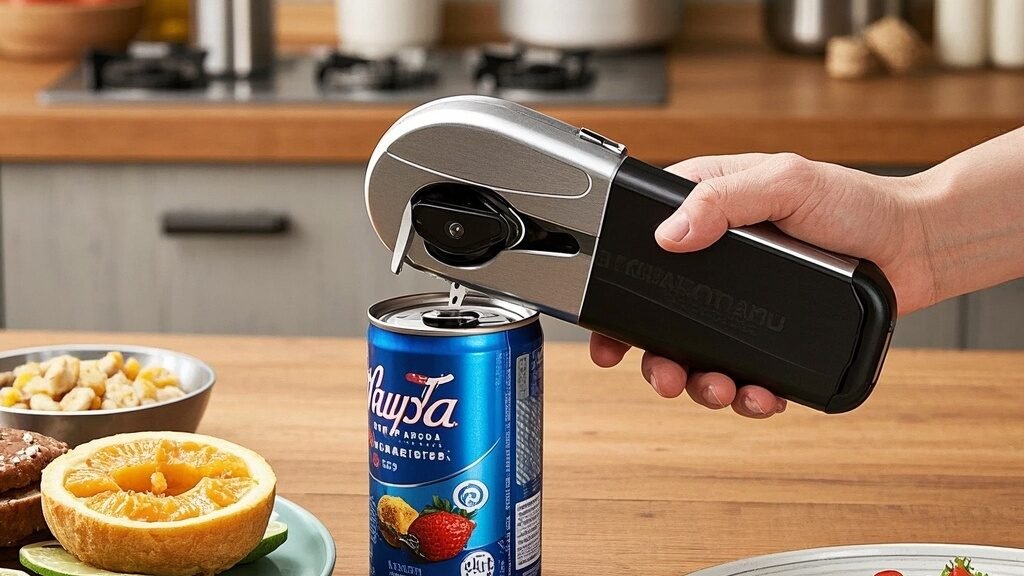
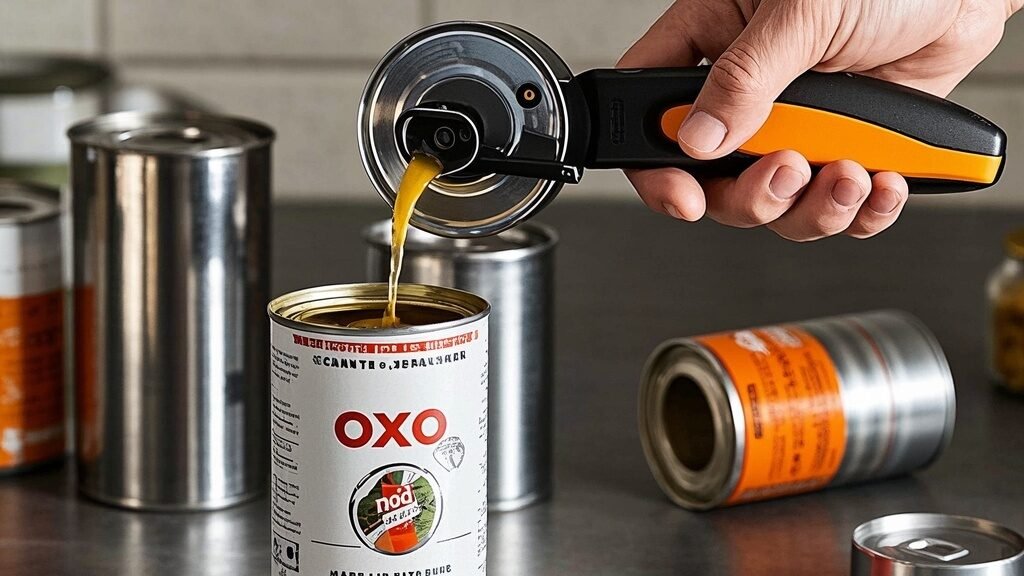
Let’s start with the obvious: the name says it all. The primary pro of a safety can opener is its fundamental redesign to eliminate the number one hazard of traditional opening—the sharp, detached lid. Instead of cutting through the top seam of the can, most safety models use a different mechanism. They typically pierce the side of the lid and roll it open from beneath, leaving the lid firmly attached, smooth-edged, and sitting neatly on top of the can. This means no more searching for sharp edges to avoid cuts, and it’s a game-changer for households with children, individuals with dexterity challenges like arthritis, or … Read the rest
What is the safest can opener for elderly hands?

What is the safest can opener for elderly hands?

Imagine standing in your kitchen, a simple can of soup in hand. Your fingers, perhaps stiff with arthritis or unsteady from neuropathy, fumble with the familiar metal tab or a bulky, old-fashioned opener. What should be a quick task becomes a frustrating, sometimes painful, battle against slippery surfaces and stubborn mechanisms. This daily struggle is a quiet reality for many seniors who value their independence. The quest for a truly safe and manageable kitchen tool isn’t about luxury; it’s about preserving dignity and ease in everyday rituals. Finding the safest can opener for elderly hands becomes crucial, transforming a moment of frustration into one of effortless accomplishment.

Understanding the Real Risks of Traditional Openers
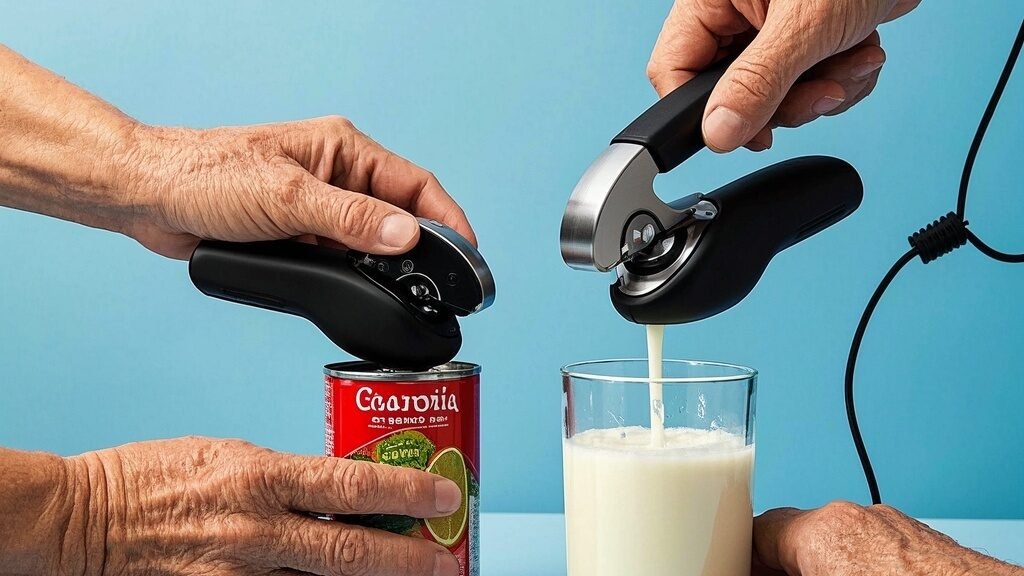
Before exploring solutions, it’s important to recognize why standard can openers pose problems. Manual models with small, sharp cutting wheels and thin, twisting handles require significant grip strength and precise downward pressure—a challenge for weakened hands or those with limited dexterity. Electric openers, while powerful, often have complex clamping mechanisms or small buttons that are difficult to operate. The primary hazards include slips that can lead to cuts, the strain of repetitive motion, and the sheer difficulty of applying enough force. Safety, therefore, isn’t just about avoiding sharp edges; it’s about ergonomic design that minimizes physical effort, intuitive operation that requires no confusing steps, and stable construction that keeps the can secure during the process. A safe opener effectively removes the user’s hands from the danger zone and the strain equation altogether.

Key Features That Define True Read the rest

What is the best can opener for weak hands?

What is the best can opener for electric can openers?

You’re standing in your kitchen, a simple can of soup or beans in one hand, and a traditional manual can opener in the other. You brace yourself, grip the handles, and start twisting. Your wrists ache, your fingers feel weak and slippery, and that familiar frustration bubbles up. This daily task, something so many take for granted, becomes a small battlefield. For millions with arthritis, limited grip strength, hand injuries, or simply the natural changes that come with age, the humble can opener is anything but simple. It’s a barrier to independence and a source of daily frustration. The quest, then, isn’t just for a can opener; it’s for a tool that returns ease and autonomy to the kitchen. So, what is the best can opener for weak hands? The answer lies not in a stronger grip, but in smarter design that does the hard work for you.

The Core Principles: What Makes a Can Opener “Easy-Use”

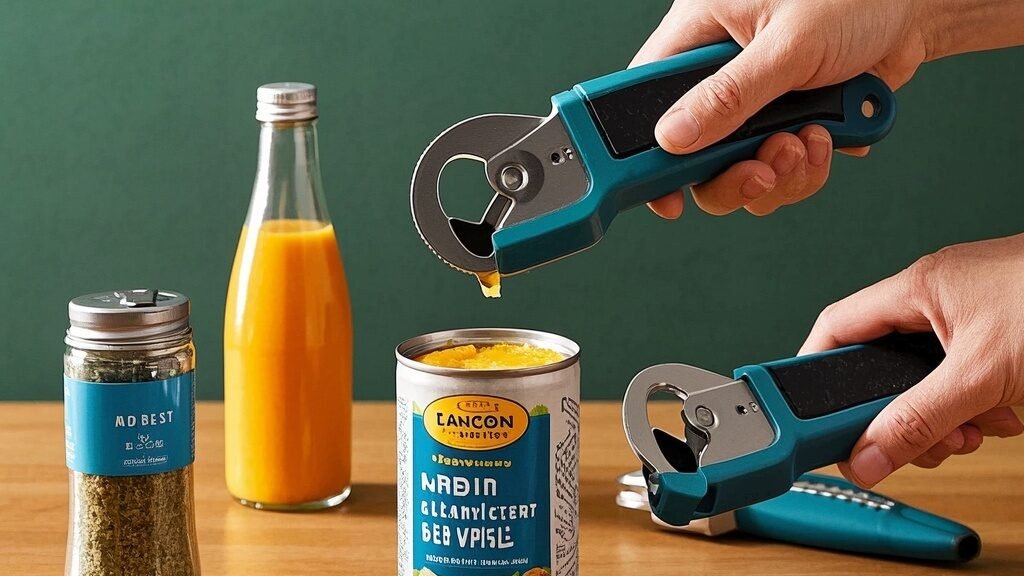
Forget brute force. The best openers for weak hands eliminate the need for squeezing, twisting, and precise coordination. They rely on a few key principles. First is leverage. Side-mounted or “smooth-edge” openers that pierce the lid’s side and roll it off provide a stable, ratcheting action. You turn a large, easy-grip knob, which requires minimal finger strength compared to squeezing handles together. Second is stability. A strong magnetic lid lifter is crucial. It removes the need to pry up a sharp lid with fingernails or a utensil—a common pain point and … Read the rest

Why do seniors struggle to open cans?

Why do seniors struggle to open cans?

The kitchen is supposed to be a place of comfort and creation. Yet, for many older adults, a simple daily task can transform this heart of the home into a frustrating battlefield. Picture a cherished family recipe for chili, passed down through generations, now halted not by a missing ingredient, but by an unyielding metal lid. The hands that once kneaded dough and cradled infants now wrestle with a slippery, stubborn can, their strength and dexterity quietly diminished by time. This silent struggle is a common reality, and the reasons behind it are more complex than mere physical weakness. Why do seniors struggle to open cans? The answer lies at the intersection of aging physiology, outdated tool design, and a profound desire to maintain independence.

The Physical Hurdles: More Than Just Grip Strength

We often simplify the challenge to “weak hands,” but the physical barriers are multifaceted. Arthritis, a common companion in later years, causes pain, stiffness, and swelling in the joints of the hands and wrists. The precise, forceful grip and twisting motion required by a traditional manual can opener becomes agonizing, if not impossible. Conditions like Parkinson’s disease or the after-effects of a stroke can introduce tremors or reduce fine motor control, making it difficult to align the opener’s gears correctly or maintain steady pressure. Furthermore, a natural loss of muscle mass and strength, known as sarcopenia, affects the entire body, including the forearms and hands. It’s not just about grip; it’s about the endurance to complete the full 360-degree rotation … Read the rest

Can Electric Can Openers Leave Sharp Edges?

Can Electric Can Openers Leave Sharp Edges?

Imagine the scene: it’s a busy weeknight, and you’re finally getting dinner together. You reach for a can of tomatoes, grab your trusty electric can opener, and press the button. In seconds, the lid is off—no twisting, no straining. You dump the contents into the pot and, without a second thought, toss the lid into the recycling bin. It’s a seamless, modern kitchen victory. But later, while taking out the trash, your finger brushes against that discarded lid. A sharp sting follows. You’ve been nicked by a surprisingly jagged edge. This common, often overlooked moment raises a pressing question: can electric can openers leave sharp edges? The assumption is that automation equals safety, but the reality of that liberated lid tells a more nuanced story.

How an Electric Opener Works vs. The Edge It Leaves

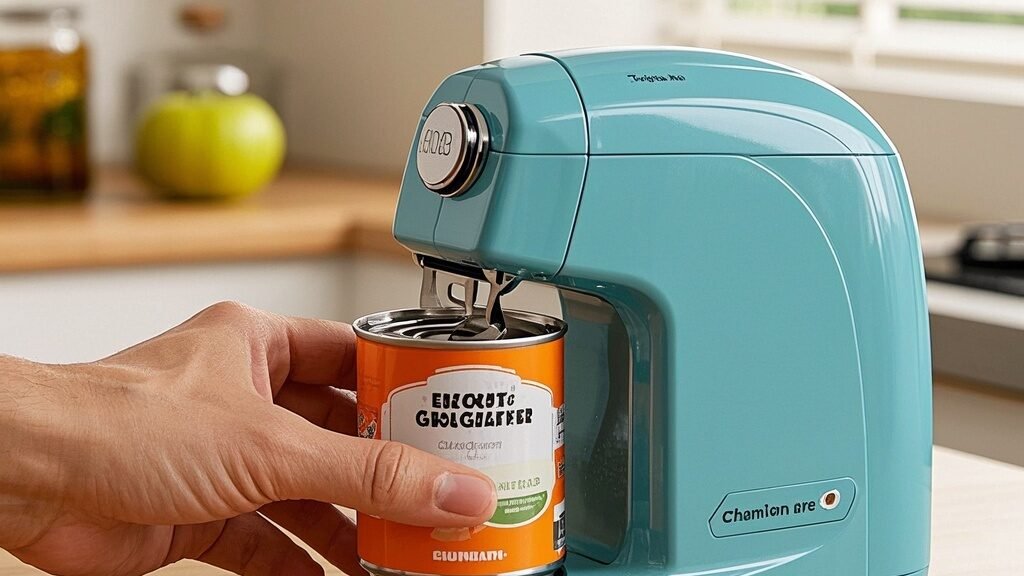
To understand the sharp edge dilemma, we need to look under the hood. Traditional manual openers use a piercing wheel and a gear-driven cutting wheel that typically cuts through the seam of the lid, leaving a folded, somewhat rounded edge underneath. Many electric models, however, operate on a different principle. They often use a powerful motor to drive a cutting wheel *from above*, slicing the lid off around its perimeter. The lid is then usually held magnetically. The key issue lies in the cutting action itself. This method can leave the severed metal of the lid with a burr—a thin, razor-like ridge created during the cutting process. It’s not that the opener is malfunctioning; it’s simply a byproduct … Read the rest

What Type of Can Opener Is Easiest for Elderly People?

What Type of Can Opener Is Easiest for Elderly People?

Imagine standing in your kitchen, a simple can of soup in hand. Your fingers, perhaps stiff with arthritis or less steady than they once were, struggle to grip a traditional manual opener. The frustration mounts—a task that should be effortless becomes a barrier to a quick meal and, more importantly, to independence. This daily hurdle is a quiet reality for many seniors. The quest for a truly user-friendly kitchen tool isn’t just about convenience; it’s about preserving autonomy and dignity. Finding the easiest can opener for elderly people often becomes a crucial, yet overlooked, mission for caregivers and family members alike. The solution lies not in a single tool, but in matching specific physical needs with thoughtful design.

Key Factors: Where Comfort Meets Capability

The “easiest” opener is defined by how it addresses common age-related challenges: reduced hand strength, arthritis, limited dexterity, poor vision, or tremors. Manual openers with large, textured handles that provide leverage are a world apart from small, slippery knobs. Electric openers eliminate gripping and twisting motions entirely. Meanwhile, side-cutting or “smooth-edge” openers that leave no sharp lid edges address safety concerns for numb or sensitive fingers. Stability is another major factor; an opener that firmly clamps to the can or magnetically holds the lid removes the need for a strong stabilizing hand. Essentially, ease of use for seniors hinges on minimizing force, maximizing grip, and ensuring safety throughout the process.

The Strong Contender: Electric Can Openers

For pure physical ease, electric can openers are frequently the Read the rest

Are Automatic Can Openers Worth the Price?

Are Automatic Can Openers Worth the Price?

Picture this: it’s been a long day, you’re finally home and ready to make a quick dinner. You reach for a can of beans or soup, grab your trusty manual can opener, and start twisting. The handle slips, the gears catch awkwardly, and after a minor struggle, you’re left with a jagged, potentially dangerous lid. In this moment of mundane frustration, the value proposition of a modern kitchen helper becomes crystal clear. For many, the debate around kitchen gadgets centers on utility versus clutter, but one item consistently sparks curiosity: are automatic can openers worth the price? They promise a touch-free, effortless opening experience, moving a simple task from a chore to a background activity. In a world where convenience increasingly trades for a premium, evaluating this common tool requires looking beyond its basic function to safety, accessibility, and long-term value.

The Convenience and Accessibility Factor

Let’s start with the core promise: convenience. An automatic can opener operates with the press of a button. You place the can under the magnetic cutter head, press down, and it does the work—spinning the can, cleanly cutting the lid, and often holding the lid magnetically to prevent it from falling into the food. For individuals with arthritis, limited hand strength, or mobility issues, this isn’t just a luxury; it’s a tool that restores independence in the kitchen. It also offers remarkable consistency, creating a perfectly smooth edge every time, unlike manual openers which can leave sharp, hazardous metal. This eliminates the risk of cuts from lid … Read the rest

What Is the Best Can Opener for Seniors with Hand Pain?

What Is the Best Can Opener for Seniors with Hand Pain?

Imagine standing in your kitchen, a simple can of soup in hand. Your fingers ache, your grip feels weak, and that familiar metal tool with its tiny, stubborn crank suddenly seems like an insurmountable obstacle. This daily moment of frustration is a quiet reality for millions. The quest for independence in the kitchen shouldn’t be a battle against basic tools. This is precisely why finding the best can opener for seniors with hand pain transcends mere convenience—it’s about reclaiming ease, safety, and the simple joy of preparing a meal without strain. The right tool doesn’t just open cans; it opens up possibilities.

Understanding the Core Needs: Beyond Just Opening a Can

Not all can openers are created equal, especially when hand strength, arthritis, or conditions like carpal tunnel are factors. The traditional manual opener requiring a firm pinch-grip and repetitive twisting is often the worst culprit. The ideal opener addresses three key challenges: grip strength, wrist motion, and applied force. Solutions often involve larger, ergonomic handles that distribute pressure across the palm instead of concentrating it on fingers, automatic mechanisms that eliminate twisting, and stable bases that prevent the can from slipping. It’s not about finding the “strongest” opener, but the one that requires the *least* strength from you. Features like easy-grip knobs, lightweight designs, and simple, one-button operations become critical. According to ergonomic specialists, tools that leverage larger muscle groups and provide mechanical advantage can significantly reduce joint stress during daily tasks.

Top Contender Styles: Electric vs. Side-Cutting Read the rest

Why Do Seniors Struggle to Open Cans?

Why Do Seniors Struggle to Open Cans?

Picture a simple kitchen task that many of us complete without a second thought: opening a can of soup for lunch. For millions of older adults, this everyday action transforms into a frustrating, sometimes impossible, challenge. It’s not merely a matter of strength; it’s a complex puzzle where aging physiology, outdated product design, and a desire for independence collide. The core question isn’t just about mechanics, but dignity: why do seniors struggle to open cans? The answer reveals a gap in universal design that affects safety, nutrition, and the simple joy of preparing a meal independently.

The Physical Hurdles: More Than Just Grip Strength

The most immediate barrier is physical change. Arthritis, particularly in the hands and wrists, makes the pinching and twisting motions required by traditional manual openers painful or impossible. Conditions like Parkinson’s disease or neuropathy can cause tremors and a significant loss of fine motor control, turning the precise alignment of a can opener into a precarious task. Furthermore, age-related decline in overall grip strength and upper body power means that even a sturdy, “easy-grip” manual model can be daunting. It’s a compounding issue: pain or fear of dropping the tool leads to avoidance, which can then contribute to weakened muscles from disuse. This isn’t about being “weak”—it’s about the natural aging process meeting a tool designed for a different physical standard.

The Design Disconnect: When Innovation Forgets a User

For decades, can opener design saw incremental change, focusing on efficiency for the average, able-bodied user. The classic manual … Read the rest

What Is the Easiest Can Opener to Use with Weak Hands?

What Is the Easiest Can Opener to Use with Weak Hands?

Imagine the simple act of making a meal hitting an unexpected wall. A can of soup sits on the counter, a promise of a warm, easy lunch. But the familiar manual opener, with its tiny, slippery knob and need for forceful twisting, becomes a daunting puzzle. This isn’t just about inconvenience; it’s about dignity and independence in the kitchen. For millions dealing with arthritis, diminished grip strength, or general hand fatigue, that daily tool transforms into a barrier. The quest, then, becomes clear: finding a kitchen ally that removes struggle and restores ease. What is the easiest can opener to use with weak hands? The answer lies not in a single magic product, but in understanding key design principles that prioritize accessibility over brute force.

The Power of Leverage and Ergonomic Design

Forget the old-fashioned, dime-sized twist knob. The easiest openers for low hand strength master the physics of leverage. Think of a well-designed can opener as a series of clever levers that multiply your input force. Side-mounted or “sidewinder” openers are champions here. They clamp onto the side of the can’s lid, and a large, often textured rotating handle does the cutting work. Your hand isn’t squeezing a grip; it’s turning a comfortable, palm-sized wheel, which requires significantly less effort. Ergonomics is the other hero. Look for openers with large, soft-grip handles that conform to your hand, distributing pressure and minimizing pinching. Weight matters, too. A heavier base or model can provide stability, so the device doesn’t skitter … Read the rest