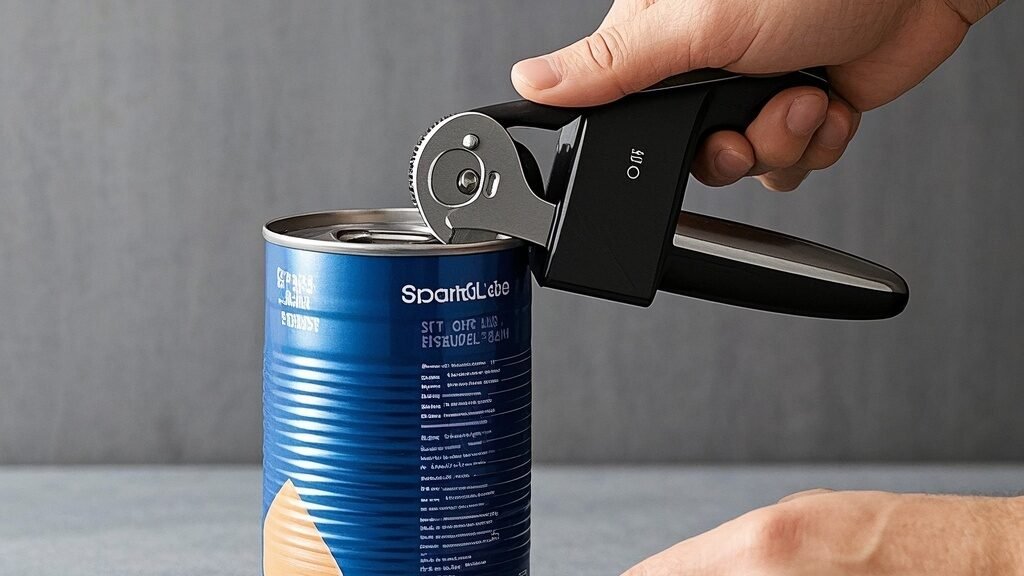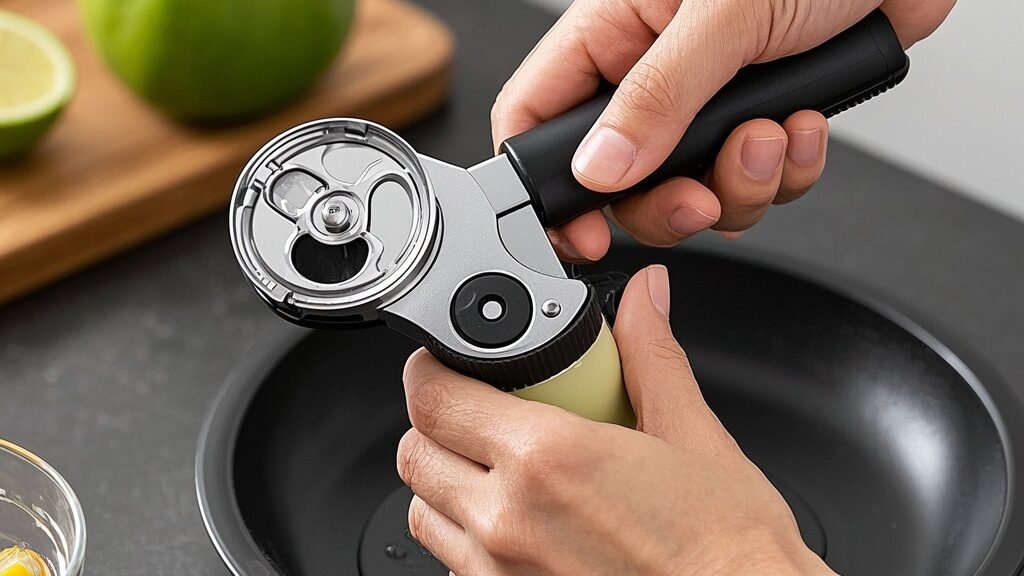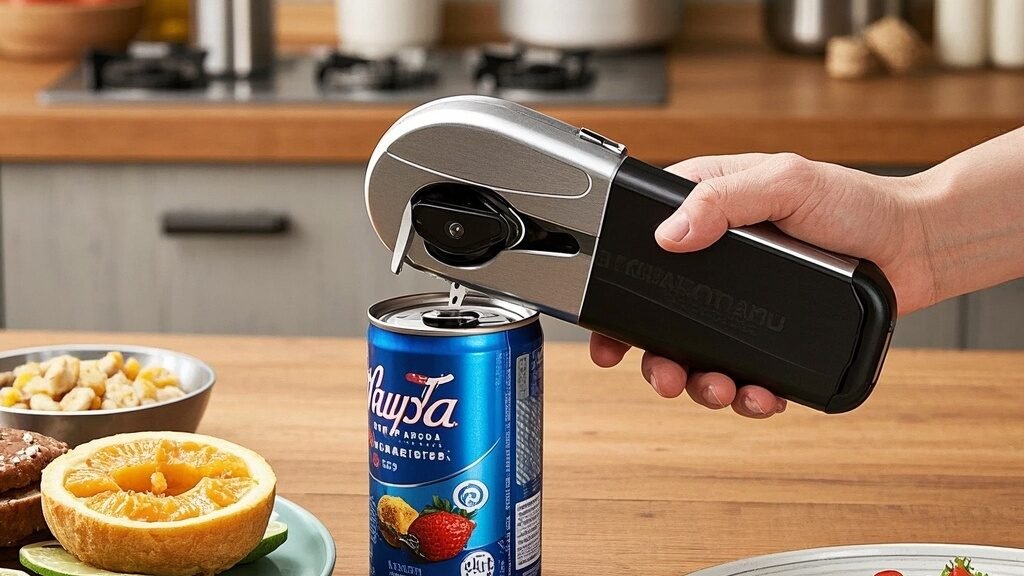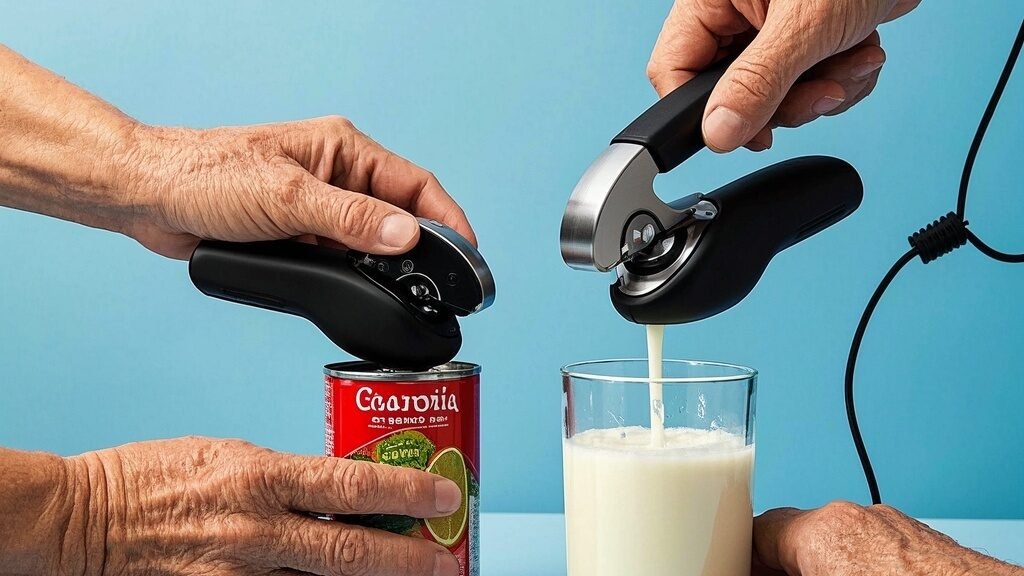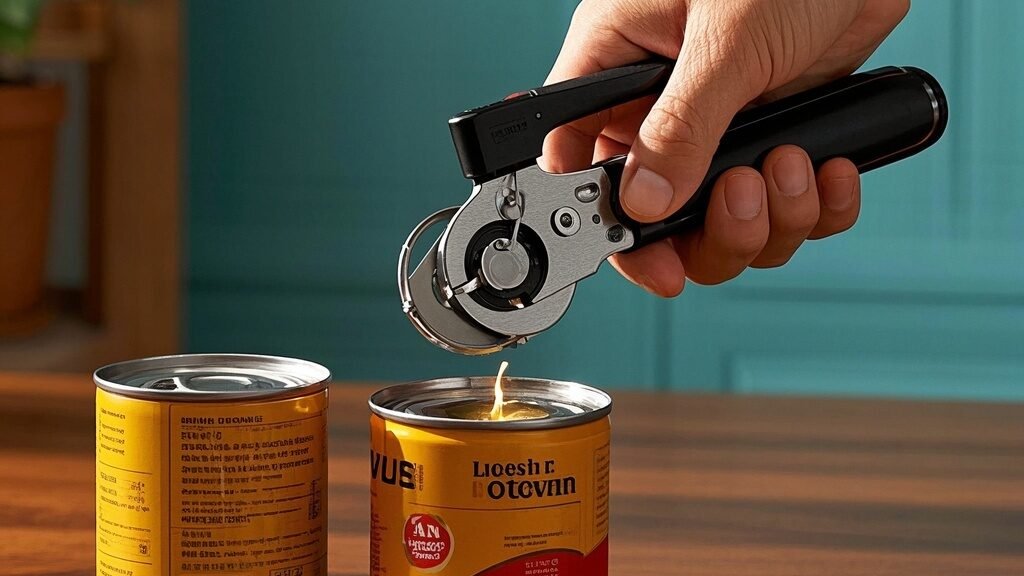
Can One-Touch Can Openers Help Weak Hands?
Imagine staring at a simple can of soup, not with hunger, but with a sense of quiet frustration. Your fingers, perhaps stiff with arthritis, weakened by age, or recovering from injury, struggle to grip and turn a traditional manual can opener. That mundane kitchen task transforms into a daunting challenge, a small but daily reminder of physical limitation. This common scenario is precisely where modern kitchen tools step in, aiming to restore independence and ease. The question isn’t just about convenience anymore; it’s about accessibility. Can one-touch can openers genuinely help weak hands? The answer, based on design and user experience, is a resounding yes, but with important nuances to consider.
The Core Challenge: Where Traditional Openers Fall Short
To appreciate the solution, we need to understand the problem. Manual can openers, while reliable for many, require a specific combination of grip strength, wrist stability, and sustained rotational force. The action involves pinching a knob, applying downward pressure to pierce the lid, and then continuously turning a small, often slippery, handle. For individuals with conditions like arthritis, carpal tunnel, Parkinson’s, or general age-related weakness, each step presents a hurdle. Painful joints may not tolerate the pinching, weak grips can’t secure the opener, and lack of wrist control makes the turning motion difficult or unsafe. This turns a 30-second task into an exhausting ordeal or a complete non-starter, potentially affecting nutrition and independence. The frustration isn’t minor—it’s a tangible barrier in daily life.
How One-Touch Openers Change the Game
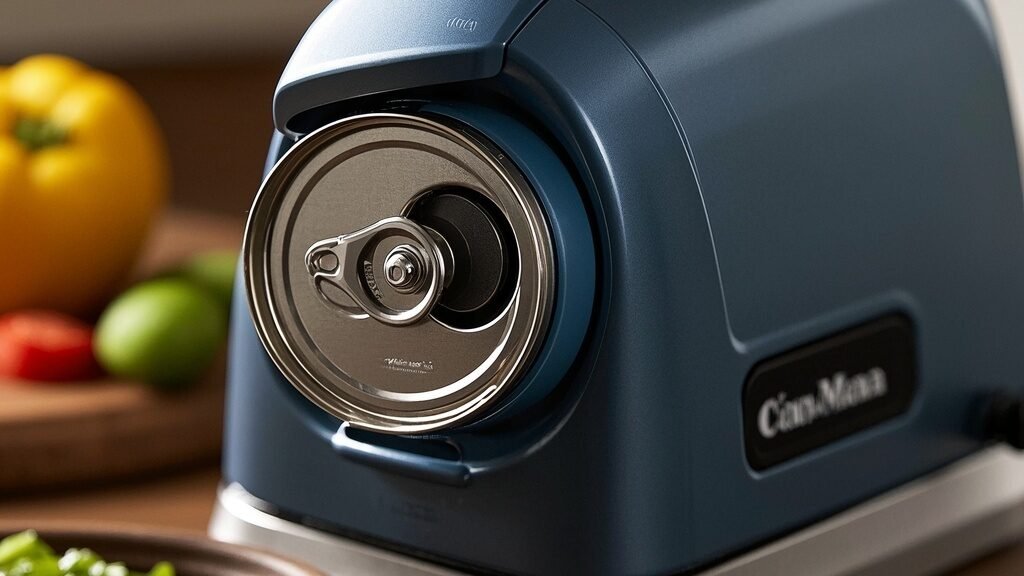
This is where the one-touch, … Read the rest