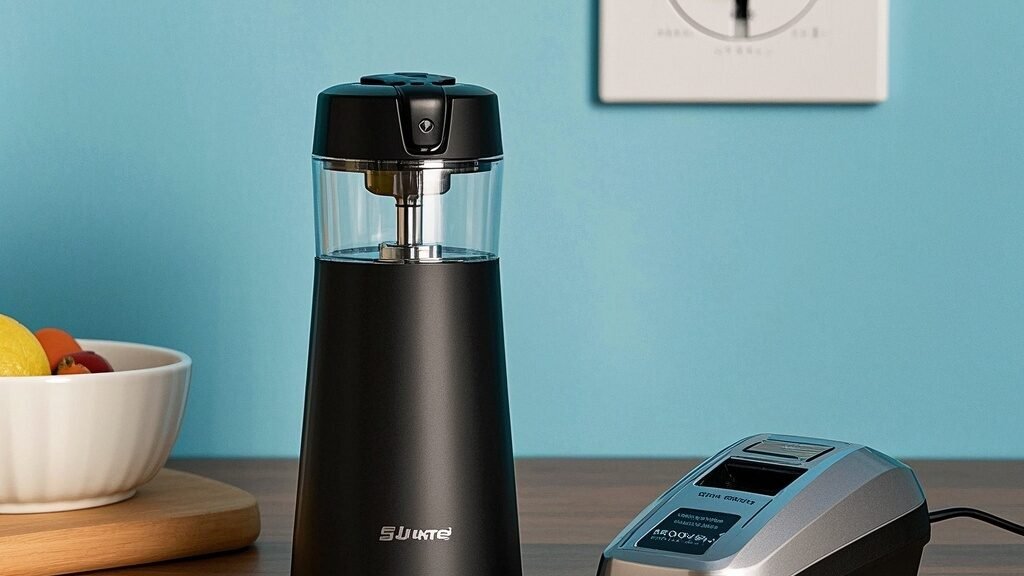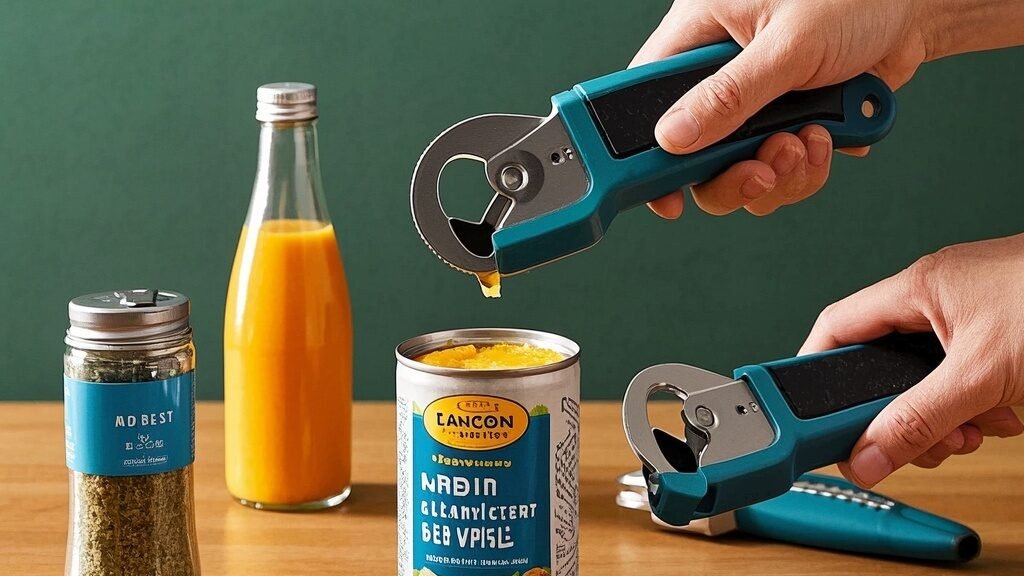
Which smooth edge can opener is easiest to clean?
Imagine finishing a hearty chili dinner, only to face the dreaded cleanup: a standard can opener with its intricate gears and crevices caked with sticky tomato residue. It’s a small but universal kitchen annoyance. The quest for a truly low-maintenance tool often leads to one standout feature—the smooth-edge cutting mechanism. Unlike traditional openers that leave jagged, hazardous rims, smooth-edge models slice cleanly along the can’s side seam, leaving a safe, rounded edge. But does this modern design also translate to easier cleaning? The answer is a resounding yes, though the extent of that ease depends heavily on the opener’s overall construction.
Design Principles That Minimize Mess
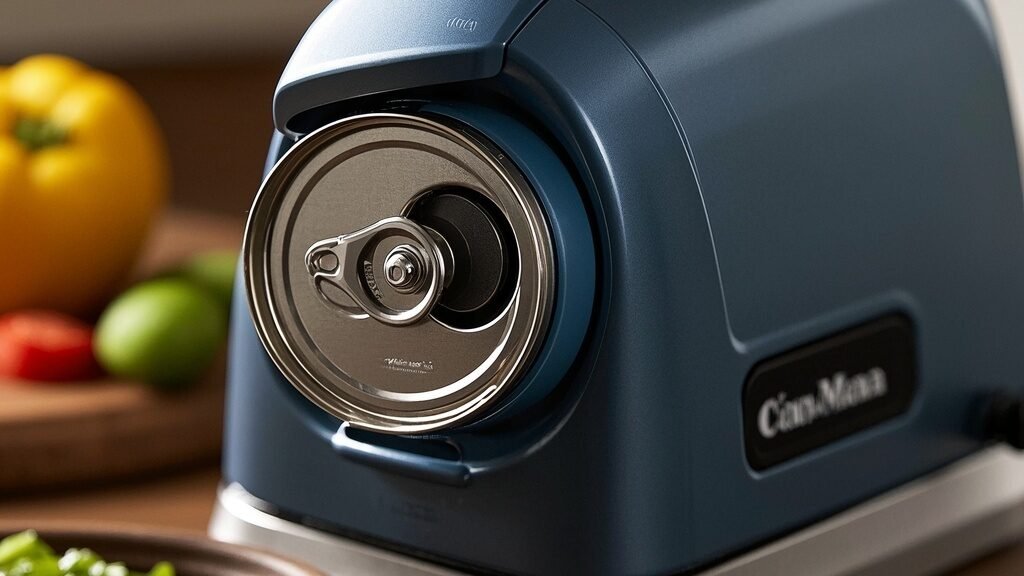
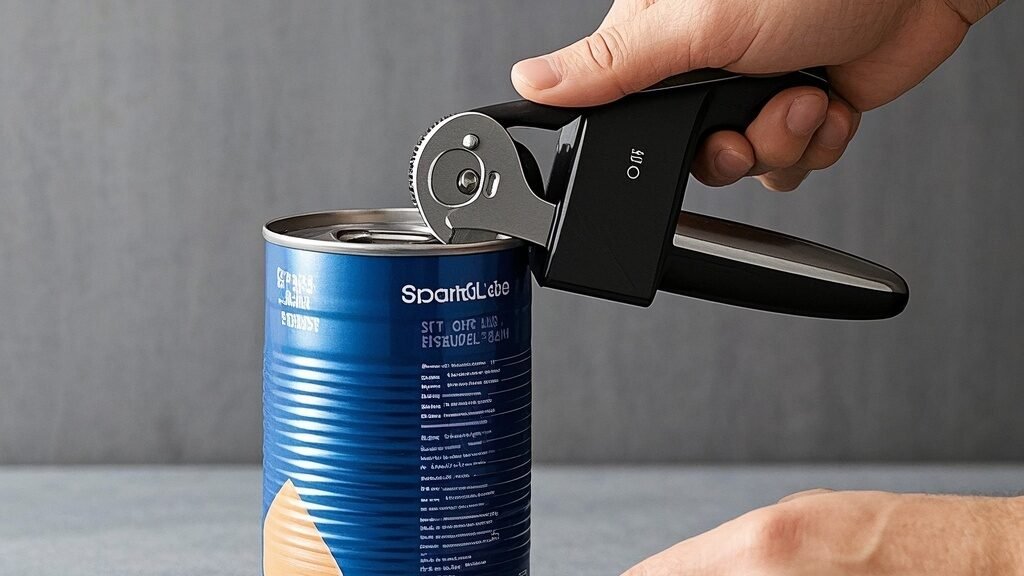
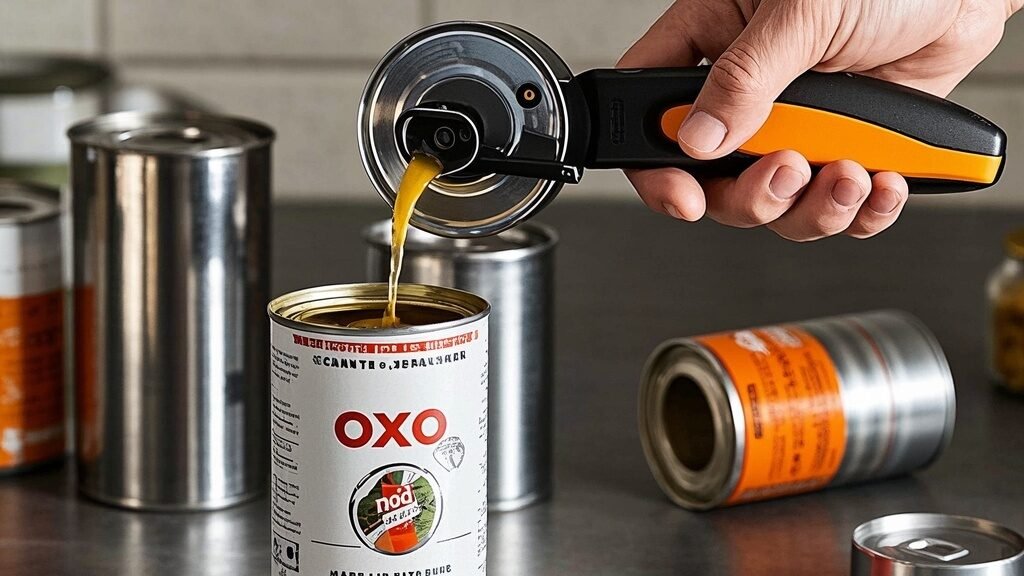
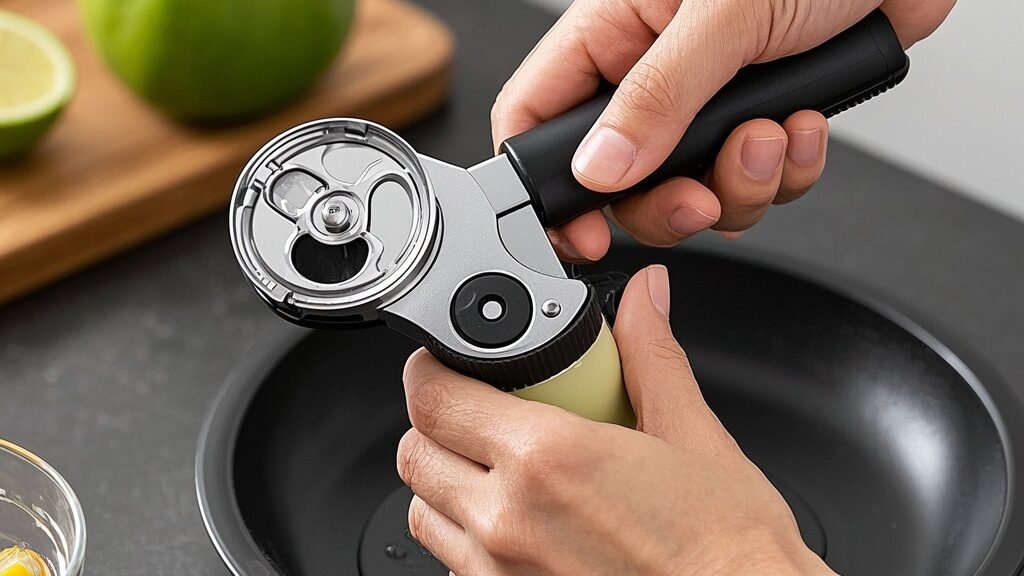
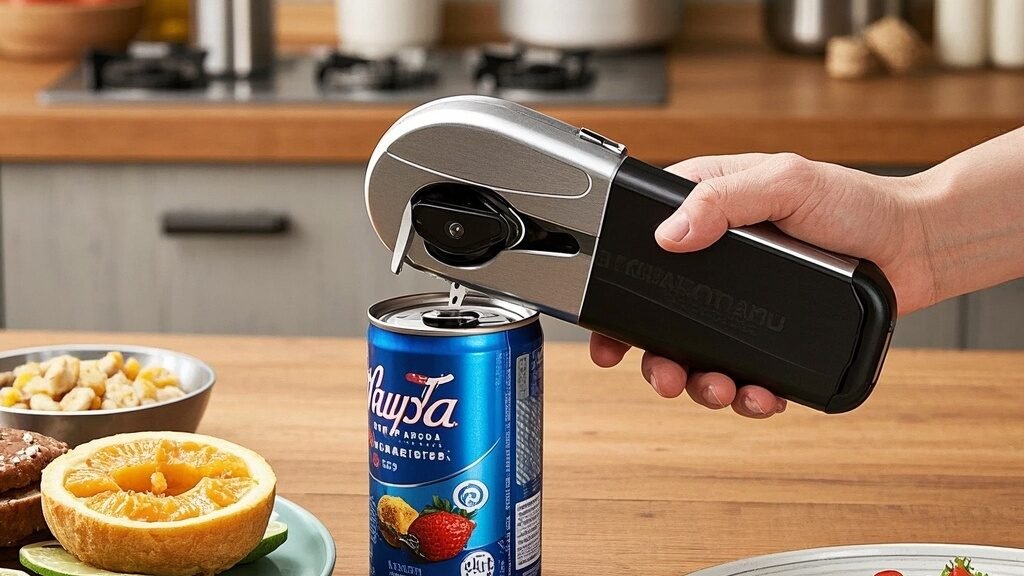
The primary cleaning advantage of a smooth-edge can opener stems from its fundamental operation. By cutting laterally under the lid’s rim rather than piercing through the top, it significantly reduces contact with the food contents. This means less liquid or semi-solid food is drawn up into the cutting mechanism. Most models, especially electric ones, feature a contained cutting path where debris falls away from critical moving parts. Many contemporary designs incorporate food-safe magnetic catches that securely hold the detached lid, preventing it—and any drips—from falling back into the can or onto the counter. This simple feature is a major win for cleanliness. Furthermore, brands are increasingly using smooth, non-porous materials like stainless steel for the cutting assembly and housing. These surfaces resist staining and allow for quick wipes, unlike older models with textured grips or porous plastics that can trap grime.
Electric vs. Manual: A … Read the rest