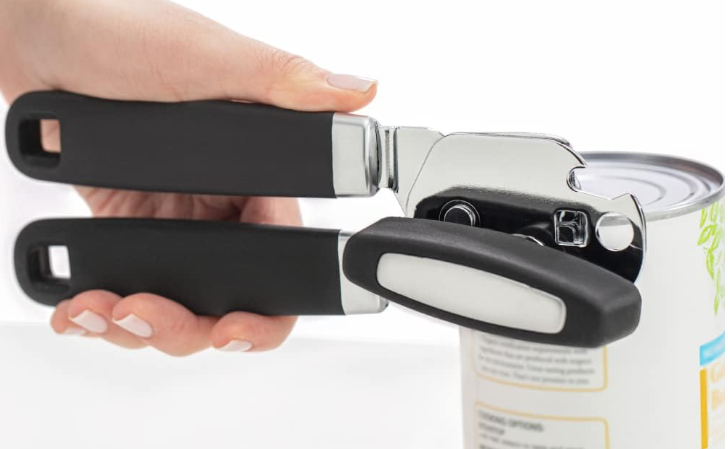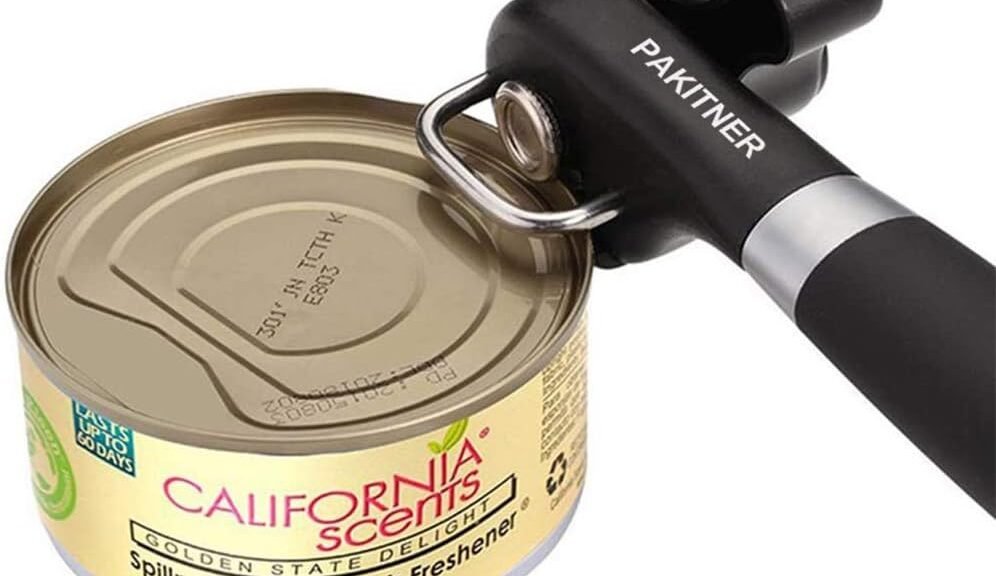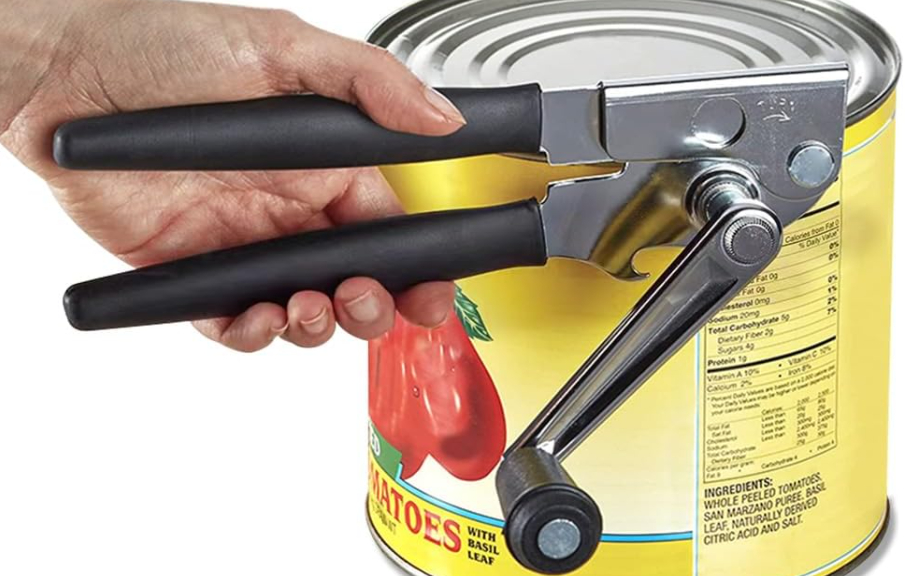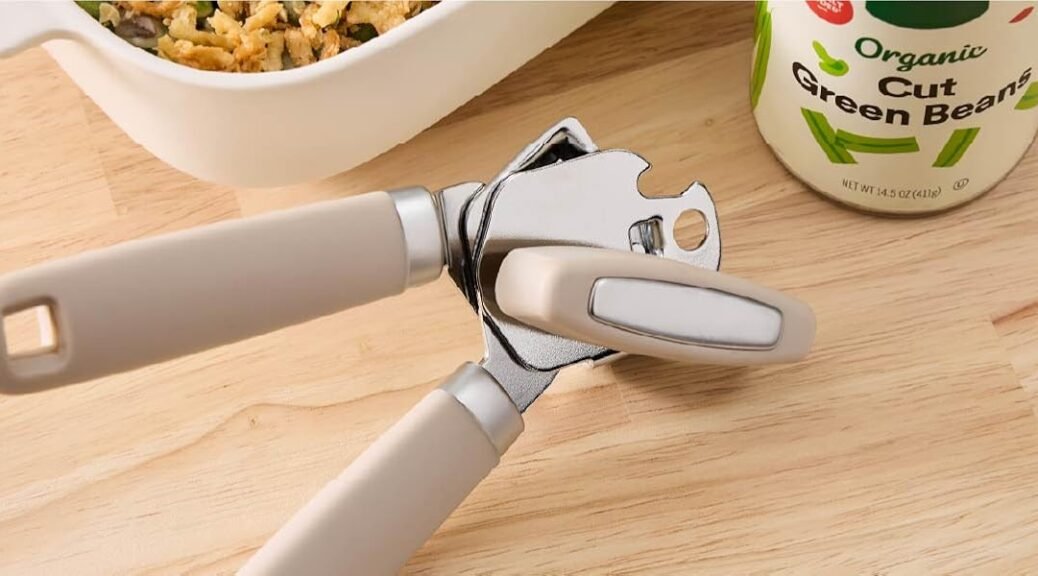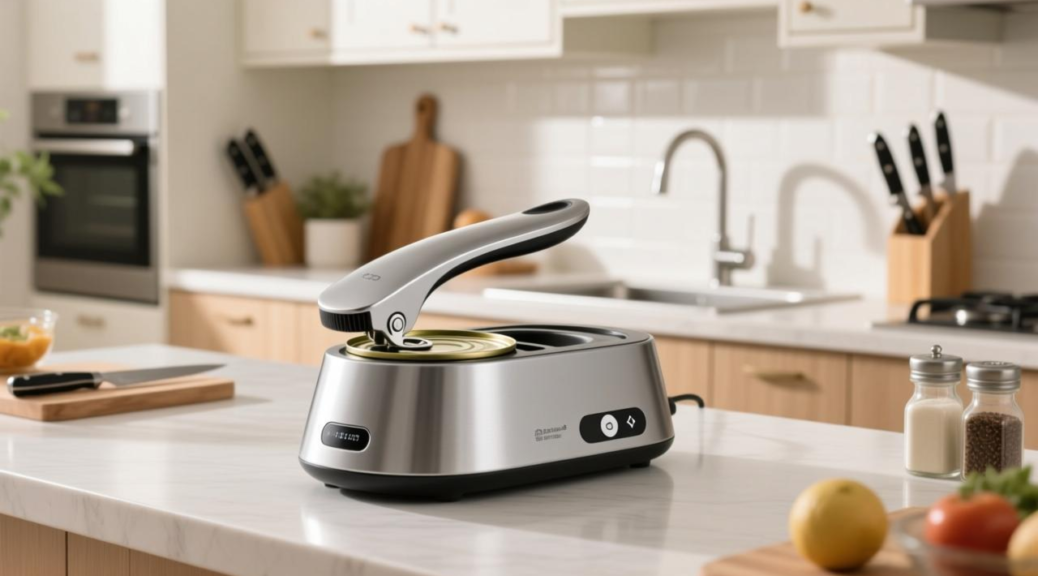
All posts by best can opener

What is the Best Electric Can Opener for Home Use? 2025 Top Picks & Buying Guide

Canned goods are a staple in most American households—from diced tomatoes for weeknight pasta to tuna for quick salads and broth for hearty soups. But struggling with a manual can opener, especially if you have arthritis, limited hand strength, or just a busy schedule, can turn a simple kitchen task into a hassle. That’s why investing in the best electric can opener for home use is a smart choice for convenience, safety, and efficiency. In this guide, we’ll break down the top-rated models of 2025, key features to look for, and how to choose the perfect one for your kitchen.

When shopping for an electric can opener, American consumers prioritize ease of use, safety, durability, and compatibility with different can sizes. After testing and analyzing dozens of models from trusted brands like Cuisinart, Hamilton Beach, and Kitchen Mama, we’ve identified the top performers that meet these needs.

Top 3 Best Electric Can Openers for Home Use in 2025

1. Best Overall: Cuisinart CCO-50BK Deluxe Electric Can Opener

The Cuisinart CCO-50BK stands out as the best overall electric can opener for home use, earning a perfect 10.0 score from multiple expert reviews. Its quality-engineered motor and Power Cut blade effortlessly open all can sizes—from small tuna cans to large 48-ounce broth cans—without straining your hands. The single-touch operation makes it incredibly user-friendly, while the sturdy base with rubber feet prevents sliding during use. A strong magnet holds the lid securely, so you don’t have to worry about it falling into your food. For easy cleaning, the activation lever is removable, and … Read the rest
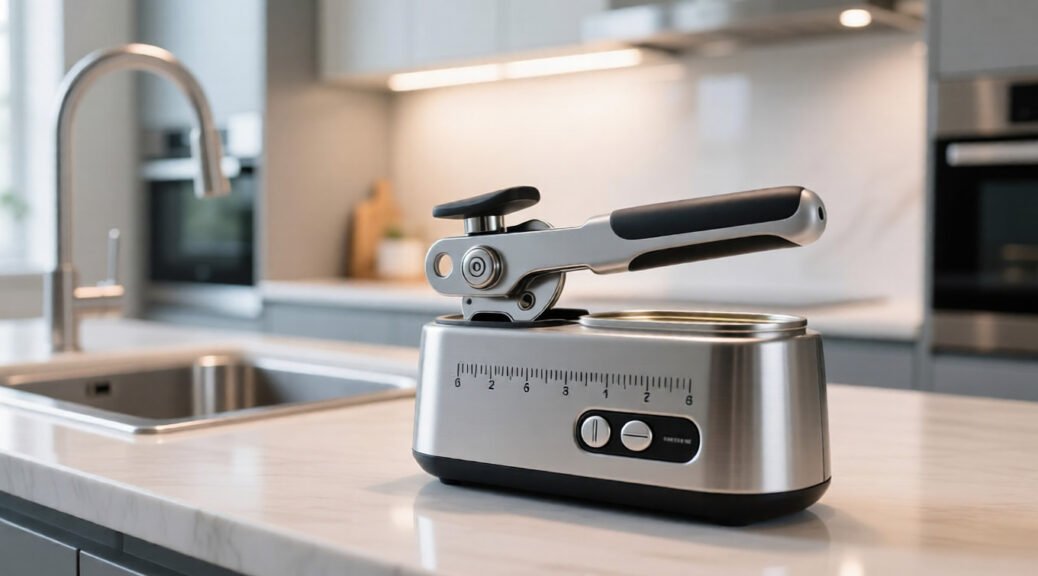
Best Can Opener Brands 2024: Top 3 Rated, Durable & Safe for Hands

In American kitchens, a can opener is an indispensable basic tool. Whether it’s canned beans for breakfast, tomato sauce for lunch, or tuna for dinner, a reliable can opener makes meal prep twice as efficient. But with so many options on the market, how do you choose a durable, safe, and hand-friendly product? After analyzing 2024 U.S. market user reviews, data from professional testing organizations (like Reviewed and BestReviews), and sales performance, we’ve identified the top 3 can opener brands with consistently strong reputations to help you avoid pitfalls.

Top 1: OXO Good Grips—Smooth Edge + Ergonomic Design, Family Favorite

OXO Good Grips’ Smooth Edge can opener achieved near-perfect user satisfaction, making it the “national choice” in the 2024 U.S. market. As a renowned brand specializing in kitchen tools, OXO consistently prioritizes “ease of use,” and this can opener exemplifies that philosophy. Its innovative side-cutting design eliminates the sharp edges caused by traditional top-cutting methods. The cut lid edges are smooth and burr-free, completely solving the “hand-injury” pain point. You can even reattach the lid for refrigerated storage.

For durability, the cutting wheel is made of high-hardness stainless steel. Professional testing confirms it can handle thousands of can openings without dulling. The handle features soft, non-slip rubber with ergonomic design, allowing even seniors or arthritis sufferers with limited hand strength to turn the knob effortlessly. Its compact size ensures easy storage without cluttering kitchen space. Over 100,000 4.8-star reviews on Amazon attest to its reliability, making it a dependable choice for any home kitchen.

Read the rest

Mastering Your Handheld Can Opener: A Comprehensive Guide

Introduction to Handheld Can Openers

Handheld can openers are essential kitchen tools designed to provide a simple and efficient method for opening canned goods. Their primary purpose is to facilitate access to the contents of cans, which are ubiquitous in modern kitchens. These devices not only promote convenience in food preparation but also enhance safety by minimizing the risk of injury during can opening. As such, investing in a quality can opener is fundamental for anyone who frequently uses canned products in cooking.

There are various types of handheld can openers available on the market, each catering to different needs and preferences. Among the most common varieties are manual and electric can openers. Manual can openers require the user to apply physical effort to turn the handle and pierce the can’s lid, while electric can openers simplify the process by using motors to automate the task. The choice between manual and electric options largely depends on personal preference, accessibility needs, and the frequency of use.

In addition to these basic types, handheld can openers also come with several features that can significantly enhance the user experience. Ergonomic designs, for instance, prioritize comfort and grip, making them easier to use, especially for those with limited hand strength. Some models may include additional functionalities, such as built-in bottle openers or safety features that minimize sharp edges. These attributes not only improve usability but also contribute to the overall efficiency of food preparation processes. With such diversity in options, it is crucial to select a handheld can opener that aligns with individual needs … Read the rest

How to fix a can opener that gets stuck halfway through opening a can?

Few kitchen frustrations match the annoyance of a can opener getting stuck halfway through opening a can. You’re mid-meal prep, halfway through cutting a can of beans, tuna, or soup—and suddenly, the opener grinds to a halt, leaving you with a partially opened can and no clear way forward. This common issue plagues manual, electric, and battery-powered can openers alike, but it’s rarely a sign you need a new tool. Below is a detailed troubleshooting guide to identify why your can opener gets stuck halfway, plus safe, step-by-step fixes to resume opening and prevent future jams.

Why Do Can Openers Get Stuck Halfway?

Before fixing the problem, it’s critical to understand the root causes. A can opener that stalls mid-cut typically suffers from one (or more) of these issues—all common in American kitchens:

1. Dull or Misaligned Blade (Top Culprit)

A blade that’s worn, dull, or slightly bent can’t maintain a smooth cut through the can’s metal. Halfway through the circle, the dull blade loses momentum, catches on the metal, and stalls. For manual openers, this means you’ll struggle to turn the handle; for electric models, the motor may strain or shut off. Misalignment (from improper positioning) exacerbates the issue—even a sharp blade will get stuck if it’s not following the can’s rim consistently.

2. Food Residue or Metal Shavings Buildup

As you open a can, tiny bits of food (like tomato sauce or bean juice) and metal shavings get trapped in the can opener’s gears, blade crevices, or feed wheel. Halfway through cutting, this debris clogs the mechanism, preventing … Read the rest

Why won’t my can opener cut through the can lid?

There’s nothing more frustrating than reaching for a can of beans, tuna, or soup—only to find your can opener won’t cut through the lid. Whether you’re using a manual, electric, or battery-powered model, this common kitchen problem plagues millions of Americans. The good news is that most issues are easy to diagnose and fix—no need to rush out and buy a new opener. Below is a detailed troubleshooting guide to identify why your can opener isn’t cutting through the can lid, plus step-by-step solutions to get it working like new again.

Common Reasons Your Can Opener Won’t Cut Through the Lid

Before diving into fixes, let’s explore the most likely culprits. Understanding why your can opener isn’t cutting helps you target the solution efficiently:

1. Dull or Rusty Blade (Most Common Cause)

Over time, can opener blades wear down from cutting metal, becoming dull or coated in rust. A dull blade can’t pierce or slice through the can lid effectively—instead, it slides, scrapes, or leaves incomplete cuts. Rust buildup also dulls the blade and creates uneven contact with the lid. For manual and battery-powered handheld can openers, blade dullness is the #1 reason they fail to cut through lids.

2. Incorrect Positioning on the Can Lid

Even a sharp can opener won’t work if it’s not positioned correctly. Many users place the blade too close to the lid’s center (which is thin and unstable) or too far inward (missing the lid’s reinforced outer rim). For side-cut or top-cut models, the blade must rest on the outer edge of the can’s Read the rest

How to use a battery – powered handheld electric can opener?

Battery-powered handheld electric can openers have become a beloved kitchen essential for millions of Americans—offering the perfect blend of portability, convenience, and ease of use. Unlike manual models that require grip strength or countertop electric openers that tie you to an outlet, these compact tools let you open cans anywhere, from small apartments and RV kitchens to camping trips and emergency kits. But for first-time users, figuring out how to use a battery-powered handheld electric can opener can feel confusing. Below is a detailed, user-friendly guide to mastering this tool, plus pro tips to ensure smooth, safe operation every time.

Why Battery-Powered Handheld Electric Can Openers Are a Hit in American Kitchens

Before diving into the steps, let’s explore why these tools have gained such popularity. For busy parents, seniors, people with arthritis, or anyone who struggles with manual can openers, battery-powered handheld models are a game-changer. They eliminate the need for squeezing or cranking—instead, a small motor does all the work, reducing strain on hands and wrists.

Their portability is another major draw: no cords or outlets mean you can use them on picnic tables, in dorm rooms, or during power outages. Most models are lightweight (under 1 pound) and fit easily in drawers or travel bags, making them ideal for on-the-go use. They also leave smooth edges on can lids, reducing the risk of cuts—a key safety feature for families with kids. With brands like Cuisinart, Black+Decker, and Hamilton Beach offering reliable models at \(15–\)30 (widely available at Amazon, Walmart, and Target), it’s no wonder they’re a staple … Read the rest

How to use a handheld manual can opener if I have weak grip strength?

For millions of Americans living with arthritis, carpal tunnel syndrome, or age-related muscle weakness, using a standard handheld manual can opener can feel like a daunting task. Weak grip strength often leads to slipping, frustration, or even pain—making a simple kitchen chore feel overwhelming. But the good news is that with the right techniques, tool modifications, and pro tips, anyone with weak grip strength can use a handheld manual can opener safely and efficiently. Below is a detailed guide tailored to this specific need, including step-by-step instructions, tool recommendations, and hacks to reduce strain on your hands.

Why Weak Grip Strength Makes Manual Can Openers Challenging

Handheld manual can openers rely on two key actions that strain weak hands: squeezing the handles to lock the blade onto the can, and turning the crank to cut through the metal. For people with limited grip strength, squeezing the handles tightly enough to prevent slipping is often the biggest hurdle—loose pressure leads to misalignment, jagged cuts, or the opener sliding off the can. Turning the crank can also cause wrist fatigue, especially if the blade is dull or the can is large.

These challenges aren’t just inconvenient—they’re unsafe. A slipping can opener increases the risk of cuts from sharp metal edges, and overexerting weak hands can worsen pain or inflammation. For many Americans, this means avoiding canned foods altogether or relying on others for help—but it doesn’t have to be that way. With small adjustments and the right approach, a handheld manual can opener can be accessible for anyone, regardless of grip strength.… Read the rest

How to use a side – cut manual can opener properly?

Side-cut manual can openers (also called “side-winder” or “edge-cut” models) are a game-changer in American kitchens—loved for their ability to leave smooth, safe edges on can lids, unlike traditional top-cut openers that create jagged metal rims. These handy tools cut along the side of the can’s lid instead of the top, making them ideal for families with kids, seniors, or anyone tired of accidental cuts. Yet many home cooks struggle to use side-cut manual can openers correctly, leading to slipping, incomplete cuts, or frustration. Below is a detailed, step-by-step guide to mastering proper side-cut can opener usage, plus pro tips to ensure safe, efficient results every time.

Why Side-Cut Manual Can Openers Are a Kitchen Must-Have

Before diving into the steps, let’s explore why side-cut models have become a staple in American households. Unlike traditional top-cut openers, side-cut can openers slice through the thin metal where the lid meets the can’s body—this design eliminates sharp edges entirely, as the lid remains intact and the can’s rim is left smooth to the touch. They’re also more ergonomic: most feature comfortable, non-slip handles that require less grip strength, making them accessible for people with arthritis or weak hands.

Side-cut manual can openers are also durable and low-maintenance—no batteries or electricity needed, just simple mechanical action. They work on all standard can sizes, from small tuna cans to large soup cans, and are compact enough to store in drawers or utensil caddies. For anyone prioritizing kitchen safety or tired of dealing with sharp can lids, a side-cut manual can opener is an essential … Read the rest

How to use an old-fashioned can opener with a single blade and handle?

Old-fashioned can openers with a single blade and handle are timeless kitchen staples in many American households—cherished for their durability, portability, and nostalgic charm. Unlike modern multi-part models, these classic tools rely on simple mechanics and a steady hand to open cans smoothly. Yet for many home cooks, especially those new to vintage kitchen gadgets, figuring out how to use an old-fashioned can opener with a single blade and handle can feel tricky. Below is a detailed, easy-to-follow guide to mastering this iconic tool, plus pro tips to avoid sharp edges and common mistakes.

Why Old-Fashioned Single-Blade Can Openers Are Still Popular

Before diving into the steps, it’s worth noting why these vintage openers remain a favorite. They’re lightweight, compact, and require no batteries or electricity—perfect for camping trips, RV kitchens, or emergency kits. Unlike bulky electric openers, a single-blade can opener fits in a pocket or a small drawer, making it ideal for small-space living. For collectors and retro kitchen enthusiasts, these tools also carry a sense of nostalgia, harking back to a time of simple, reliable kitchen gear.

That said, using an old-fashioned can opener is not as intuitive as a modern smooth-edge model. It requires precise positioning and consistent pressure—skip either step, and you’ll end up with jagged edges, a stuck blade, or an unopened can. The good news is that once you learn the technique, using this tool becomes second nature.

Step-by-Step: How to Use an Old-Fashioned Single-Blade Can Opener

This guide works for all classic single-blade, single-handle can openers—the kind with a sharp, curved blade … Read the rest

Should I Wash the Can Opener Before Using It?

When prepping meals, most Americans prioritize washing dishes, wiping countertops, and rinsing produce—but the humble can opener often gets overlooked. A common kitchen debate arises: Should I wash the can opener before using it? The short answer from food safety experts is yes—and here’s why. A dirty can opener is a breeding ground for bacteria, mold, and food residue that can contaminate your meals, leading to foodborne illness. Below is a detailed breakdown of why washing your can opener before use is non-negotiable, how to do it properly, and common myths debunked to keep your kitchen safe.

Why Washing a Can Opener Before Use Matters

Can openers are one of the most germ-prone tools in American kitchens—and for good reason. Every time you use a can opener, tiny bits of food (tuna oil, tomato sauce, bean juice) stick to the blade and gears. When you toss the opener back into a drawer without cleaning, these residues dry into a sticky film that traps dust, debris, and bacteria like E. coli, salmonella, and mold spores.

The next time you use the unwashed can opener, those germs transfer directly to the can’s lid—and then into your food. This cross-contamination is especially risky for high-risk groups: children, seniors, pregnant people, and anyone with a compromised immune system. A 2019 study by the National Sanitation Foundation (NSF) ranked can openers as the third dirtiest kitchen tool, behind only dish sponges and kitchen sinks. This data proves that skipping a pre-use wash isn’t just a habit—it’s a health hazard.

For canned … Read the rest