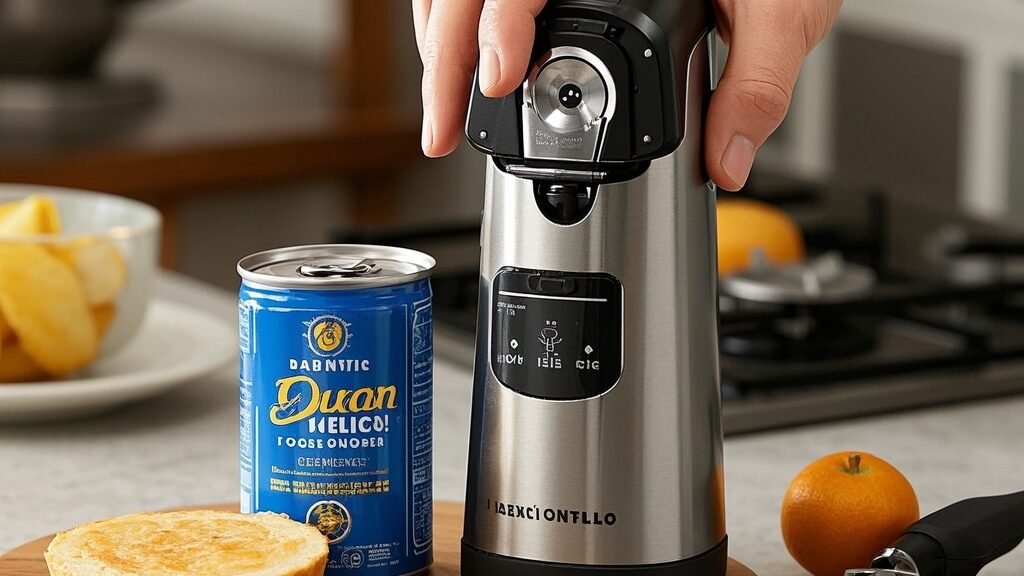
Are Automatic Can Openers Good for Arthritis Sufferers?
Opening a simple can of soup shouldn’t feel like a workout. For millions living with arthritis, carpal tunnel, or general hand weakness, the twisting and pressure required by a manual can opener can turn a basic kitchen task into a painful ordeal. The frustration is real, often leading to reliance on pre-cut foods or avoiding nutritious canned goods altogether. This is where the automatic can opener steps in, not just as a convenience gadget, but as a genuine tool for maintaining independence in the kitchen.
How Automatic Openers Ease the Strain on Hands and Joints
The core benefit of an electric or automatic model is the elimination of manual force. Instead of gripping and twisting with significant torque, you simply position the can, press a button, and let the machine do the work.
Key Mechanisms for Accessibility: Most modern automatic can openers use a magnetic lid lifter. After cutting, a small magnet holds the lid, safely removing it without requiring you to pry with your fingers or touch sharp edges. This is a critical safety and ease-of-use feature. Furthermore, many are designed with large, easy-to-press buttons and non-slip bases, requiring minimal dexterity to operate effectively.
Beyond Arthritis: While invaluable for arthritis sufferers, this technology is a boon for anyone with limited hand strength, including seniors, individuals recovering from surgery, or those with conditions like Parkinson’s disease. It reduces the risk of dropping a heavy manual opener or slipping and causing a cut, making the kitchen a safer place.
Choosing the Right Automatic Can Opener: A Practical Guide
Not all automatic openers are created equal, especially when considering specific physical needs. Here’s what to look for to find the best fit.
Operation and Controls: Seek out models with oversized, tactile buttons. Some feature a simple lever action that’s easier to manage than a small button. Hands-free operation, where the machine grips and cuts the can automatically once aligned, is the gold standard for minimizing effort.
Design and Stability: A heavy, weighted base or one with a strong suction cup is essential. It prevents the unit from “walking” across the counter during use, which can be frustrating and unsafe. The cutting assembly should be easy to align without needing pinpoint precision.
Additional Features: Many units now combine functions. Look for a can opener that also includes a jar opener function, which can be another major pain point. A built-in knife sharpener is a less critical but handy bonus. Cordless models offer flexibility but require battery management.
Safety and Usage Tips for Optimal Results
To ensure your automatic opener is both effective and safe, follow these practical tips.
Proper Positioning is Key: Always place the opener on a clean, dry, and stable surface. Center the can beneath the cutting mechanism as per the manufacturer’s guide. A misaligned can can cause the opener to jam or leave a jagged edge.
Cleaning and Maintenance: Keep the cutting wheel and magnet clean. Food particles and moisture can lead to rust or reduced effectiveness. Most cutter assemblies are removable for easy rinsing. Always unplug the unit before cleaning. Regular maintenance ensures a smooth cut every time and extends the appliance’s life.
Understanding Limitations: Most standard automatic openers are designed for regular steel cans. They may struggle with oddly shaped cans, very large commercial-sized cans, or cans with pull-tab lids. Always check the manufacturer’s specifications for compatibility.
Top Considerations and Product Recommendations
When researching, prioritize ease of use, stability, and reliable cutting action over fancy extras. In our assessment, brands like Hamilton Beach and OXO often receive high marks from users with limited hand strength for their intuitive designs and consistent performance.
For Maximum Ease: A hands-free, corded model with a magnetic lid lifter is often the most reliable choice for seniors and arthritis sufferers. It provides consistent power without battery worries.
For Counter Space Concerns: A compact, vertical can opener that mounts on the wall or attaches to a cabinet can be a great space-saver and may require even less lifting and positioning of the can itself.
Remember, the goal is to reduce barriers to cooking and nutrition. An automatic can opener is a small investment that can have a significant impact on daily comfort and kitchen confidence.
Who Should Consider an Automatic Can Opener? If you experience pain, stiffness, or weakness in your hands, wrists, or arms when using traditional kitchen tools, an automatic can opener is more than a luxury—it’s a practical aid for maintaining autonomy. It’s also an excellent, thoughtful gift for aging parents or anyone who could use a hand in the kitchen. Find the perfect can opener for your needs below!
Related Guides:
- Best Rated Can Openers 2026 (All Categories)
- Best Can Opener for Seniors with Weak Grip (2026 Top Picks)
- Best Can Opener for Arthritis Patients (2026 Pain-Free Picks)
- Best Can Opener for Stroke Survivors (2026 Easy-Use Picks)
- Best Electric Can Opener (2026 Top-Rated Automatic Models)
- Best Hands-Free Can Opener (2026 No-Grip Effort Models)
- Best Manual Can Opener (2026 Ergonomic Low-Effort Models)
- Best Sharp-Edge-Free Can Opener (2026 Safe No-Cut Models)