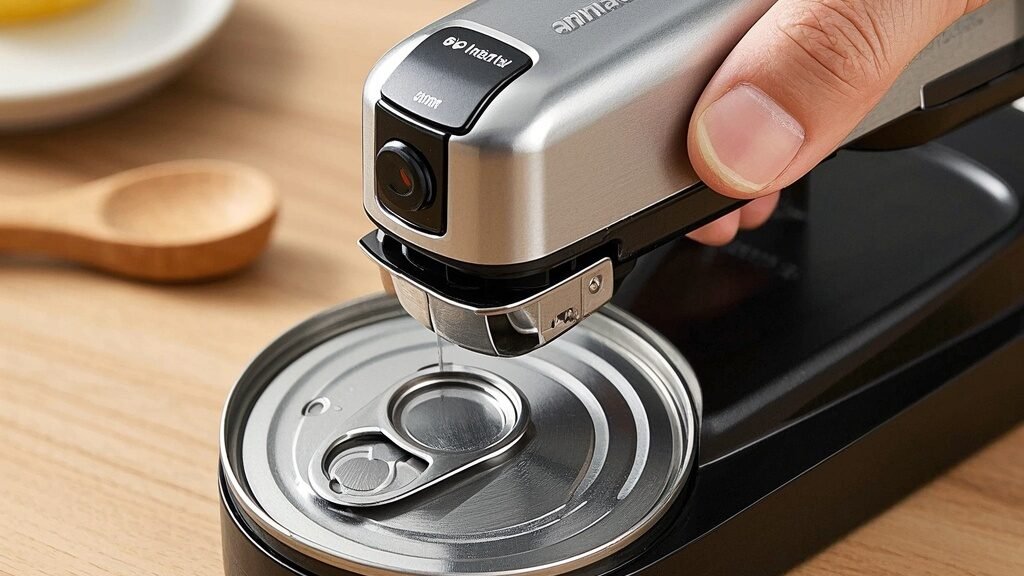
Can Automatic Can Openers Help Seniors Cook Independently?
For many older adults, the simple act of opening a can of soup or vegetables can become a frustrating barrier to preparing a meal. Arthritis, diminished grip strength, or tremors can turn a basic kitchen tool into a source of struggle and even danger. The quiet hum of an automatic can opener, however, offers a different story—one of regained independence and confidence in the kitchen. These devices are more than just conveniences; they are assistive tools designed to empower seniors and individuals with limited hand mobility to maintain their culinary independence safely and easily.
Why Traditional Openers Fall Short for Aging Hands
Manual can openers require a specific combination of grip strength, wrist rotation, and downward pressure. For someone with arthritis or weakened hands, this action can be painful, difficult, or impossible to complete. Slippery handles and blunt blades add to the challenge, increasing the risk of cuts or spills. An electric can opener eliminates these physical demands entirely. With the simple press of a button or lever, a powerful magnet or gear system does all the work, cleanly lifting the lid away from the can’s body. This fundamental shift from manual force to automated assistance is what makes these devices so transformative for senior cooking.
Key Benefits and Practical Tips for Use
Safety and Ease of Use: The primary advantage is safety. Automatic openers leave smooth edges, unlike the sharp, jagged rims left by some manual models. Many feature strong magnets that hold the lid after cutting, preventing it from falling into the food. For seniors, this means no more searching for lost lids or risking cuts while fishing them out.
Maintaining Independence: The ability to open cans without assistance is a significant step in preserving kitchen autonomy. It allows seniors to follow recipes, manage their nutrition, and enjoy the dignity of preparing their own meals. When choosing a model, look for large, easy-to-press buttons, non-slip feet, and a lightweight design that’s easy to maneuver and store.
Practical Integration: To get the most from an automatic opener, place it on a stable, dry countertop. Ensure the cutting mechanism is aligned with the can’s rim before activating. Most models are corded for consistent power, so be mindful of cord placement to avoid tripping hazards. Regular cleaning of the cutting assembly, as per the manufacturer’s instructions, is crucial for hygiene and long-term performance.
Choosing the Right Automatic Can Opener: Features That Matter
Not all automatic can openers are created equal, especially when considering the needs of seniors. Key features to prioritize include one-touch operation, hands-free functionality, and easy cleaning. A “hands-free” model clamps onto the can and completes the cycle automatically, which is ideal for users with very limited dexterity. Others may require holding a lever down, which still requires minimal effort compared to manual cranking.
Consider the size and weight of the unit itself. A compact, lightweight opener is easier to handle and store. Also, check the power cord length to ensure it reaches a convenient outlet without needing an extension cord, which can be a safety concern. In our testing, models with clear, intuitive controls and audible confirmation of the cutting cycle completion are often the most user-friendly for older adults.
Important Safety and Lifestyle Considerations
While highly beneficial, automatic openers come with considerations. They require access to an electrical outlet and may not function during a power outage, so keeping a simple, large-handled manual opener as a backup is a wise precaution. The cutting mechanism can be tricky to clean thoroughly, potentially harboring food particles if not maintained properly.
It’s also important to manage expectations. These openers are designed for standard steel cans. They may struggle with unusually shaped containers, very large cans, or pull-tab lids. For individuals with significant vision impairment, ensuring the controls have good tactile differentiation or high-contrast colors is important. Pairing an electric can opener with other adaptive kitchen tools, like jar openers and easy-grip utensils, can create a fully supportive cooking environment.
Who Should Consider an Automatic Can Opener?
This tool is an excellent investment for seniors experiencing arthritis, Parkinson’s disease, general hand weakness, or recovering from surgery like carpal tunnel release. It’s also invaluable for anyone who values convenience and safety in the kitchen. By removing a common physical obstacle, an automatic can opener does more than open cans—it opens the door to continued independence, safer meal preparation, and the simple joy of cooking without pain or frustration.
Find the perfect can opener to support independent living below!
Related Guides:
- Best Rated Can Openers 2026 (All Categories)
- Best Can Opener for Seniors with Weak Grip (2026 Top Picks)
- Best Can Opener for Arthritis Patients (2026 Pain-Free Picks)
- Best Can Opener for Stroke Survivors (2026 Easy-Use Picks)
- Best Electric Can Opener (2026 Top-Rated Automatic Models)
- Best Hands-Free Can Opener (2026 No-Grip Effort Models)
- Best Manual Can Opener (2026 Ergonomic Low-Effort Models)
- Best Sharp-Edge-Free Can Opener (2026 Safe No-Cut Models)