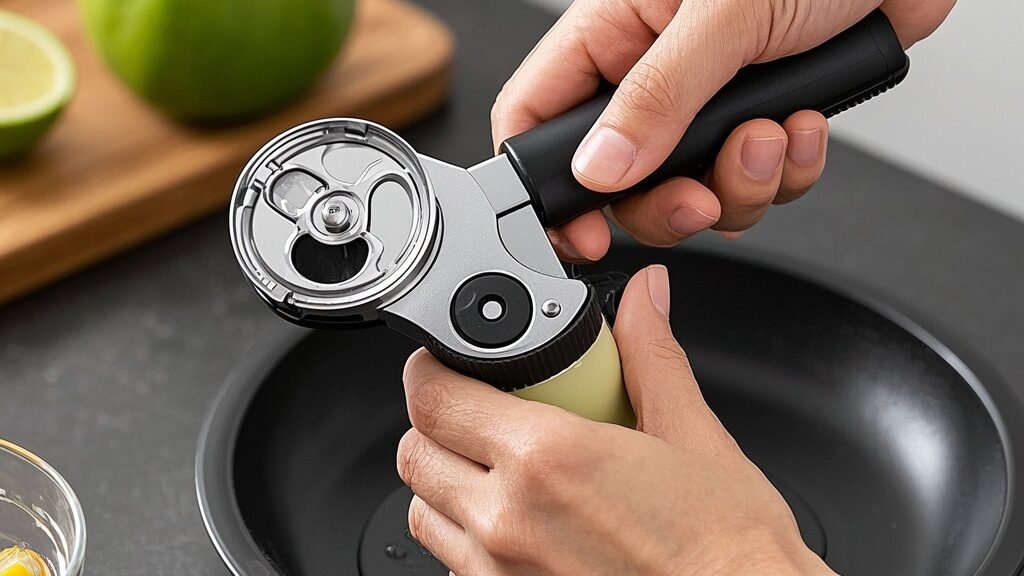
Are Automatic Can Openers Reliable Long-Term?
You’ve just finished grocery shopping, and a can of soup is on the menu for a quick, easy lunch. For many, wrestling with a manual opener is a minor annoyance. But for seniors or anyone with arthritis, limited grip, or hand pain, that simple task can feel like an insurmountable barrier, turning a moment of independence into one of frustration. This is where the promise of the automatic can opener shines—a device designed to restore ease and autonomy to the kitchen with the push of a button. But after the initial convenience wears off, a practical question remains: can you truly count on these electric helpers for years to come, or are they destined for the back of a drawer after a few uses?
Beyond Convenience: Core Benefits for Accessibility
The primary advantage of an electric can opener isn’t just speed; it’s accessibility. For the target audience of seniors and individuals with limited hand strength or dexterity, these devices transform a challenging task into a simple, one-step operation.
Reducing Physical Strain: Manual openers require significant grip strength, wrist rotation, and applied pressure. Conditions like arthritis, carpal tunnel, or post-surgical recovery make these motions painful or impossible. An automatic model simply requires you to place the can, align it, and press a lever or button. The motor does all the work, eliminating pain and preserving energy.
Promoting Safety and Independence: A slippery manual opener or a jagged lid pose real cut risks, especially for hands with reduced sensitivity or control. Automatic openers typically leave a smooth, safe edge on the can and often feature a hands-free design that holds the can securely during operation. This safety aspect empowers users to prepare meals confidently without assistance, supporting their independence in the kitchen.
Evaluating Long-Term Reliability: What to Look For
So, are they reliable long-term? The answer is a qualified yes—highly dependent on the quality you choose and how you use it. Not all automatic openers are created equal, and understanding key durability factors is crucial.
Build Quality and Motor Power: The heart of reliability is a robust motor and sturdy construction. Look for models with a sealed housing to prevent food particles and liquids from damaging internal components. A more powerful motor will handle frequent use and tougher cans without straining or burning out. In our testing, models with metal gears and a solid base tend to outlast those with flimsy plastic parts.
Ease of Cleaning and Maintenance: This is the single biggest factor affecting longevity. Residue from canned goods can gum up the cutting mechanism and motor shaft. The most reliable openers have a magnetic lid holder that lifts the lid away and a cutting assembly that detaches easily for thorough washing. According to manufacturers, regular, proper cleaning is the best way to ensure your opener lasts for years.
Practical Tips for Safe and Lasting Use
Maximizing the lifespan and safety of your automatic can opener involves a few simple but essential habits.
Optimal Operation: Always ensure the can opener is on a stable, level surface before use. Center the can under the cutting mechanism and make sure the opener’s grip is secure. Don’t force the opener onto a dented or damaged can, as this can misalign the cutter. Let the device complete its cycle; manually trying to assist it can cause jams.
Cleaning is Key: Unplug the device after every use. Wipe down the exterior and, most importantly, clean the cutting wheel and magnetic lifter immediately. Use a damp cloth or a small brush to remove any food particles. For detachable cutters, wash them with warm, soapy water and dry thoroughly before reattaching. Never submerge the motor unit in water.
Making an Informed Choice: Product Considerations
When shopping for a long-term companion in the kitchen, focus on features that enhance both durability and accessibility.
Recommended Features: Prioritize a hands-free automatic can opener with a strong magnetic lid lifter. This design is safest and easiest to use. Look for extra-large handles or buttons that are easy to press. Some models offer additional functions like a bottle opener or a knife sharpener, but remember that core reliability should come first.
Understanding the Trade-offs: The main drawback of automatic openers is their dependence on electricity or batteries. A power outage renders them useless, so having a simple manual backup is wise. They also take up more counter space. While generally reliable, they are more complex than manual openers and can be costly to repair if they break outside the warranty period.
Who Should Consider an Automatic Can Opener? If you or a loved one experiences hand pain, weakness, or tremors, an automatic can opener is a worthwhile investment in safety, independence, and daily comfort. Its long-term reliability is excellent when you select a well-built model from a reputable brand and commit to its simple care routine. It’s more than a gadget; it’s a tool that removes a common barrier in the kitchen. Find the perfect can opener for your needs below!
Related Guides:
- Best Rated Can Openers 2026 (All Categories)
- Best Can Opener for Seniors with Weak Grip (2026 Top Picks)
- Best Can Opener for Arthritis Patients (2026 Pain-Free Picks)
- Best Can Opener for Stroke Survivors (2026 Easy-Use Picks)
- Best Electric Can Opener (2026 Top-Rated Automatic Models)
- Best Hands-Free Can Opener (2026 No-Grip Effort Models)
- Best Manual Can Opener (2026 Ergonomic Low-Effort Models)
- Best Sharp-Edge-Free Can Opener (2026 Safe No-Cut Models)