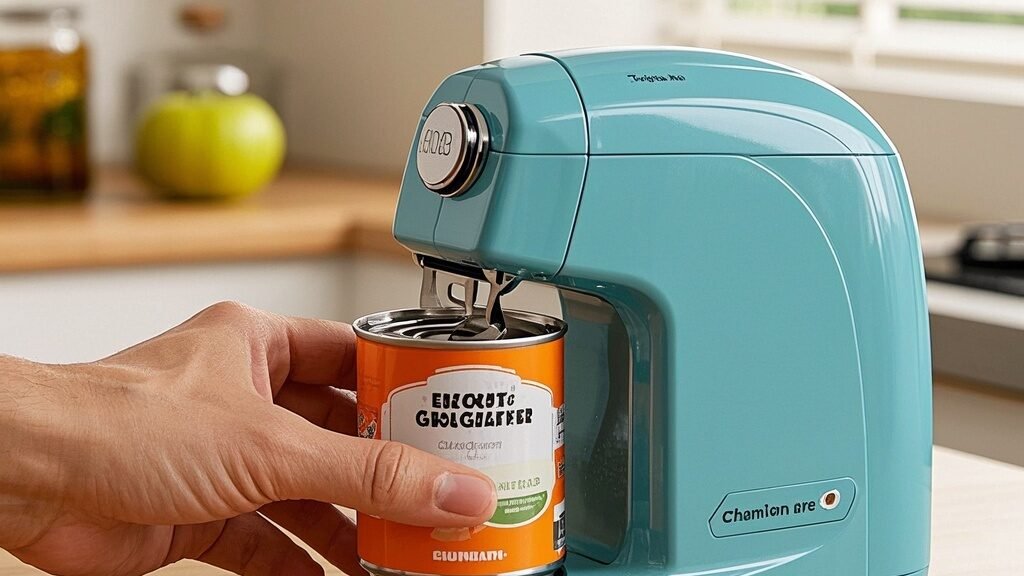
Are Automatic Can Openers Safe for Daily Use?
Imagine trying to open a can of soup with hands that ache from arthritis, or struggling to grip a manual opener after a long day. For many, this simple kitchen task becomes a frustrating, even painful, chore. The electric can opener promises liberation from this struggle, whirring to life with the press of a button. But as it magnetically lifts the lid away, a quiet question often lingers: is this convenient gadget truly safe to use every day, or does it introduce new risks into the kitchen? Understanding the safety profile of automatic can openers is key to making them a reliable helper rather than a hidden hazard.
Safety First: How Modern Openers Are Designed for Security
Today’s best automatic can openers are engineered with multiple layers of safety, moving far beyond the sharp, exposed blades of early models. The primary goal is to create a barrier between the user and the cutting mechanism.
Key Safety Features to Look For
The most significant advancement is the hands-free design. Once the opener is correctly aligned and activated, it does all the work. Your hands never need to touch the cutting wheel or the can’s rim. Many models feature a strong, built-in magnet that grips the lid after cutting, lifting it completely off the can and safely away from fingers and food. This eliminates the risk of cuts from sharp, detached lids. Furthermore, most units have an automatic shut-off that stops the motor once the cutting cycle is complete, preventing overheating or gear damage from prolonged, accidental operation.
Addressing Common Concerns
A frequent worry is electrical safety around kitchen sinks. Reputable brands design their openers with insulated housings and secure cord management. The cutting area itself is typically recessed or shielded. While no electrical appliance should be immersed in water, standard wipe-down cleaning is perfectly safe. Another concern is stability; a good opener will have a wide, non-slip base to prevent tipping during use, even with taller or irregularly shaped cans.
Why They’re a Game-Changer for Seniors and Limited Mobility
For seniors or anyone with arthritis, reduced grip strength, or hand tremors, an automatic can opener isn’t just a luxury—it’s a tool that promotes independence and safety in the kitchen. The physical act of clamping a manual opener and applying sustained rotational force can be difficult or impossible.
Ease of Use and Accessibility
Electric models require minimal dexterity and almost no force. A simple lever or button initiates the process. This empowers individuals to prepare their own meals without assistance, maintaining dignity and self-sufficiency. It also reduces the risk of injury from slipping manual openers or from using excessive, awkward force that could strain wrists or shoulders.
Beyond Just Opening Cans
Many modern automatic openers offer additional accessible functions. Some come with built-in knife sharpeners or bottle openers, consolidating tools and reducing the need to handle multiple sharp objects. The hands-free operation also means users can steady the can or themselves with their other hand, providing additional balance and security.
Practical Tips for Safe and Effective Daily Operation
Safety is a partnership between good product design and informed user practice. Following a few simple guidelines ensures your automatic can opener remains a safe, long-lasting kitchen companion.
Setup and Daily Use Protocol
Always place the opener on a clean, dry, and stable countertop. Ensure the power cord is tucked away from the edge to avoid pulling. Correct alignment is crucial: position the can so the opener’s cutting wheel grips the outer rim squarely under the lip. Listen for a consistent, smooth humming during operation; grinding or stuttering noises may indicate misalignment. After use, always wait for the magnet to release the lid before removing the can.
Cleaning and Maintenance for Longevity
Regular cleaning is vital for safety and performance. Always unplug the unit first. Wipe the exterior and the cutting assembly with a damp cloth. Use a soft brush or a damp cotton swab to gently remove any food particles or metal shavings from the cutting wheel and drive gear. Never hold the unit under running water or submerge it. Periodically check the power cord for damage and ensure the base’s non-slip pads are clean and intact.
Choosing a Safe and Reliable Model: What to Prioritize
Not all automatic can openers are created equal. When shopping, prioritize features that directly contribute to safe, effortless operation, especially for the intended user.
Essential Safety Features Checklist
Your top criteria should be a hands-free operation and a lid-lifting magnet. Look for a model with a large, easy-to-press power button or lever, not a tiny switch. A wide, weighted base is essential for stability. Consider an opener with an easy-grip handle on the side for those who may need to transport it from a cabinet. While extra features are nice, core cutting reliability and safety should never be compromised.
Balancing Convenience and Simplicity
For seniors, overly complex models with digital displays or numerous settings can be confusing. The safest choice is often one with an intuitive, straightforward design. Read reviews focusing on ease of use, noise level, and consistency. A quieter model can be less startling for some users. Brands known for kitchen appliances often have stronger quality control and customer service, which is an indirect but important aspect of long-term safety and satisfaction.
Automatic can openers, when chosen wisely and used correctly, are not only safe for daily use but are profoundly beneficial tools. They transform a potentially hazardous task into a simple, one-touch operation. By understanding the built-in safety features, following best practices for use and maintenance, and selecting a model designed for stability and simplicity, you can confidently integrate this appliance into your daily routine. It provides peace of mind, reduces physical strain, and helps maintain kitchen independence.
Who Should Consider an Automatic Can Opener? This tool is ideal for seniors, individuals with arthritis, limited hand strength, or mobility challenges, and anyone who values convenience and wants to minimize the risk of cuts in the kitchen. It’s a small investment that delivers significant daily dividends in safety and ease. Find the perfect can opener for your needs below!
Related Guides:
- Best Rated Can Openers 2026 (All Categories)
- Best Can Opener for Seniors with Weak Grip (2026 Top Picks)
- Best Can Opener for Arthritis Patients (2026 Pain-Free Picks)
- Best Can Opener for Stroke Survivors (2026 Easy-Use Picks)
- Best Electric Can Opener (2026 Top-Rated Automatic Models)
- Best Hands-Free Can Opener (2026 No-Grip Effort Models)
- Best Manual Can Opener (2026 Ergonomic Low-Effort Models)
- Best Sharp-Edge-Free Can Opener (2026 Safe No-Cut Models)