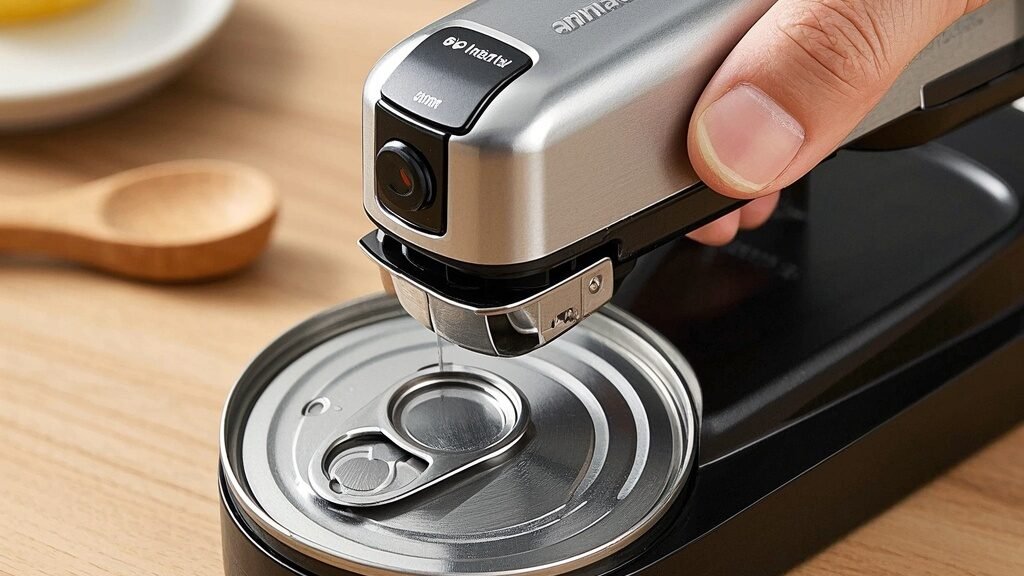
Can Weak Hands Use Automatic Can Openers Safely?
Opening a simple can of soup shouldn’t feel like a test of strength or a source of anxiety. Yet, for millions of individuals with arthritis, weakened grip, or limited hand mobility, that’s exactly what it becomes. The struggle with a manual can opener can turn a basic kitchen task into a painful, frustrating, and sometimes hazardous chore. The good news is that kitchen technology has evolved to meet this exact need. Modern automatic can openers are specifically engineered to restore confidence and independence, offering a truly hands-off solution that prioritizes safety above all else.
Understanding the Safety Features of Modern Automatic Can Openers
Not all automatic openers are created equal, especially when considering users with weak hands. The safest models are designed with a clear understanding of the physical challenges involved. Key safety features to look for include magnetic lid holders, hands-free operation, and stable, non-slip bases.
Magnetic Lid Holder: This is arguably the most critical safety feature. After cutting, a strong magnet automatically lifts the lid completely out of the can and holds it securely. This eliminates the need to pry out a sharp, jagged lid with your fingers, which is a common cause of cuts. The lid is safely contained until you dispose of it.
Hands-Free Design: True hands-free operation means you only need to place the can, align the cutter, and press a button. The machine does the rest—piercing, cutting, and stopping automatically. There’s no need to apply continuous pressure or twist a knob, making it ideal for those with arthritis or limited dexterity.
Stability and Ease of Use: A wide, weighted base prevents the unit from “walking” or tipping during operation. Large, clearly labeled buttons or simple lever switches are easier to activate than small knobs. These design choices minimize the force and precision required, reducing strain and the risk of accidents.
Choosing the Right Can Opener for Limited Hand Strength
When selecting an automatic can opener for seniors or anyone with hand challenges, it’s about more than just pushing a button. You need to evaluate the entire user experience from setup to cleanup. Consider the weight of the unit, the clarity of instructions, and how easy it is to clean.
Performance and Real-World Use: The best models operate smoothly and quietly, without jarring vibrations that could unsettle the user or the can. They should cleanly cut the lid from the side of the can, leaving a smooth edge on the can itself to prevent cuts when handling. In our testing, openers with a “smooth edge” cutting function provide an extra layer of safety.
Ergonomics and Accessibility: Look for openers with minimal parts to assemble. The can holder should be easy to access and deep enough to securely grip standard-sized cans without precise alignment. Some advanced models even feature voice guidance or extra-large, illuminated buttons for users with visual or cognitive impairments alongside physical limitations.
Practical Safety Tips and Kitchen Independence
Even with the best equipment, practicing safe habits is essential. Combining a safe tool with smart techniques maximizes independence and minimizes risk in the kitchen.
Setup and Operation: Always place the can opener on a clean, dry, and stable countertop. Ensure the cutting mechanism is clean and free of old food debris before use, as buildup can cause slippage or uneven cutting. When positioning the can, make sure it’s seated firmly against the guide. Use the heel of your hand or your palm to press the activation button if finger strength is limited.
Maintenance and Cleaning: Regular cleaning is a safety must. Unplug the unit and wipe down the exterior after each use. According to manufacturer instructions, the cutting assembly should be removable for washing to prevent bacterial growth from food particles. A well-maintained opener performs more reliably and safely.
Encourage a mindset of “task simplification.” Store frequently used cans on an easily accessible shelf, not in deep cabinets. After opening, consider transferring contents to a non-breakable, lidded container for easier and safer handling later.
Top Considerations for Elderly Users and Caregivers
For caregivers or family members helping to select a can opener, focus on models that promote autonomy. The goal is to provide a tool that the user can operate confidently on their own. Choose a product with intuitive controls—sometimes a single large button is better than a panel of several. Read reviews from other users with similar conditions to get real-world insights into ease of use.
Be mindful of weight and cord length. A heavier base adds stability, but the unit shouldn’t be so heavy it’s difficult to move for cleaning. A longer power cord offers more flexibility in kitchen setup. Remember, the right can opener for weak hands isn’t just an appliance; it’s a key to maintaining dignity and self-sufficiency in daily life.
Who Should Consider an Automatic Can Opener?
If you or a loved one experiences pain, stiffness, or weakness in your hands, wrists, or arms—whether from arthritis, injury, neuropathy, or general aging—an automatic can opener is a worthwhile investment in safety and independence. It transforms a daunting task into a simple, one-touch operation, reducing frustration and the risk of injury. By prioritizing models with robust safety features like magnetic lid holders and true hands-free function, you can enjoy the convenience of canned goods without compromise. Find the perfect automatic can opener to restore safe, pain-free kitchen independence below!
Related Guides:
- Best Rated Can Openers 2026 (All Categories)
- Best Can Opener for Seniors with Weak Grip (2026 Top Picks)
- Best Can Opener for Arthritis Patients (2026 Pain-Free Picks)
- Best Can Opener for Stroke Survivors (2026 Easy-Use Picks)
- Best Electric Can Opener (2026 Top-Rated Automatic Models)
- Best Hands-Free Can Opener (2026 No-Grip Effort Models)
- Best Manual Can Opener (2026 Ergonomic Low-Effort Models)
- Best Sharp-Edge-Free Can Opener (2026 Safe No-Cut Models)