Are Automatic Can Openers Worth Buying for Seniors?
Picture this: a simple can of soup, a staple in many kitchens, becomes a source of daily frustration. The familiar struggle with a manual opener—slipping grips, aching wrists, and the stubborn resistance of a lid—is more than just an inconvenience. For many seniors and individuals with conditions like arthritis or diminished hand strength, this small task can feel like an insurmountable barrier to independence in the kitchen. This is where the modern automatic can opener steps in, promising to transform a chore into a one-touch operation. But does this convenience truly justify the investment and counter space? We’re cutting through the hype to examine whether these devices are a genuine aid or just another gadget.
Understanding the Benefits: More Than Just Convenience
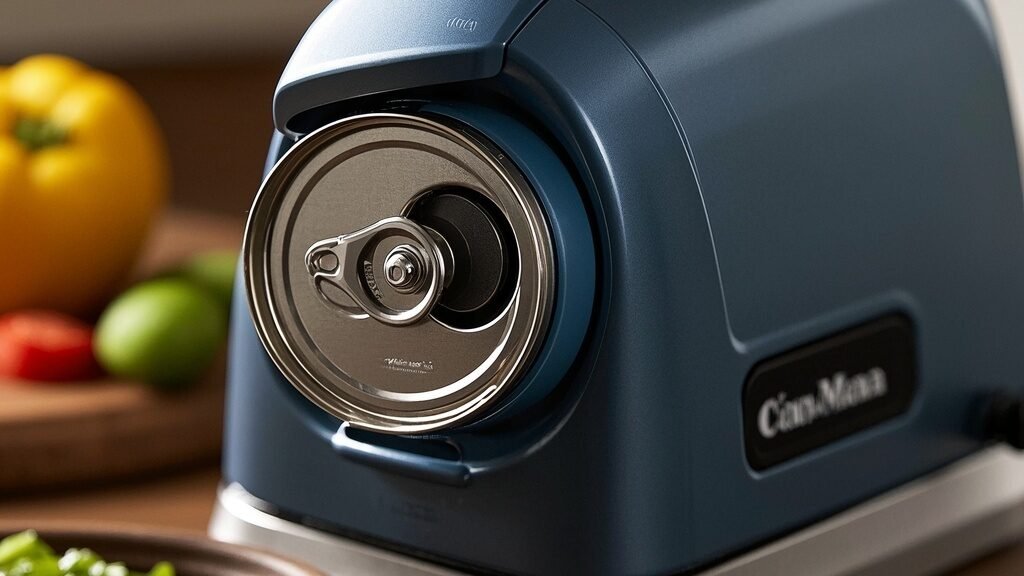
For seniors and those with limited dexterity, an electric can opener offers tangible advantages that go beyond simple ease of use. The core benefit is the significant reduction in physical effort required. By simply placing the can under the cutting mechanism and pressing a button or lever, the device does all the work—piercing, cutting, and magnetically lifting the lid away. This eliminates the need for gripping strength, twisting motion, and sustained pressure, which can be painful or impossible for some.
Safety and Independence
This reduction in physical strain directly translates to enhanced safety. A slippery manual opener can lead to cuts or spills. Automatic models provide a stable, hands-off operation, keeping fingers away from sharp edges. Furthermore, the ability to open cans effortlessly fosters a sense of independence. It empowers individuals to prepare their own meals without needing to ask for help, supporting both nutritional health and emotional well-being.
Key Features to Look For in a Senior-Friendly Model
Not all automatic openers are created equal. When shopping for a model suited for seniors, prioritize these key features for the best experience.
Ease of Operation and Accessibility
Look for models with large, clearly marked buttons or paddles that are easy to press. A simple, one-step action is ideal—place the can and press down. The unit should also be lightweight yet stable, making it easy to move from a cabinet but secure during use. Consider the height; a lower-profile design can be easier to manage than a tall, bulky one.
Safety and Practical Design Elements
A strong magnetic lid lifter is non-negotiable. It cleanly removes the cut lid, preventing it from falling into the food and eliminating contact with the sharp edge. A built-in bottle opener and knife sharpener are handy bonuses. Also, check how easy it is to clean; many models have detachable cutting heads that are dishwasher safe, which is a major plus for maintaining hygiene with minimal effort.
Practical Considerations and Potential Drawbacks
While the benefits are clear, it’s wise to consider the full picture before purchasing an automatic can opener for a senior’s kitchen.
Space and Power Requirements
These devices require counter space and must be plugged into an outlet (or have charged batteries for cordless models). For those with limited counter space, this is a real consideration. Cordless models offer flexibility but require remembering to recharge. Also, most automatic openers are designed for standard-sized cans; very large or unusually shaped cans may not fit, so keeping a simple manual backup opener is a smart practice.
Maintenance and Learning Curve
Like any small appliance, they require occasional cleaning of the cutting wheel to prevent food buildup and ensure smooth operation. While operation is simple, some individuals who have used manual openers their whole lives may initially be hesitant or confused by the new device. A quick, patient demonstration is usually all that’s needed to build confidence.
Making the Right Choice: Tips and Recommendations
Choosing the right model involves matching features to specific needs. For individuals with very weak grip or severe arthritis, a hands-free opener where the can is locked into place by a lever is often the best choice, as it requires zero gripping. For general ease of use, a popular countertop model with a large handle/button is excellent.
Based on reliability and senior-friendly features, two types consistently receive positive feedback. The first is a classic countertop automatic can opener with a large, easy-press handle, a powerful magnet, and simple controls. The second is a sleek, compact “side-cutting” opener that leaves a smooth, safe edge on the can itself, which is a fantastic safety feature. When selecting, read reviews focusing on ease of use, magnet strength, and durability.
Who Should Consider an Automatic Can Opener?
An automatic can opener is absolutely worth buying for seniors, caregivers, or anyone with arthritis, hand weakness, or limited mobility. It is a practical tool that directly addresses a common challenge, promoting safety, independence, and dignity in the kitchen. The initial cost is outweighed by the daily benefit of pain-free, effortless access to canned goods. For those without these specific needs, a manual opener may suffice, but for its target audience, it’s far more than a gadget—it’s a key to easier living.
Find the perfect automatic can opener to reclaim kitchen independence below!
Related Guides:
- Best Rated Can Openers 2026 (All Categories)
- Best Can Opener for Seniors with Weak Grip (2026 Top Picks)
- Best Can Opener for Arthritis Patients (2026 Pain-Free Picks)
- Best Can Opener for Stroke Survivors (2026 Easy-Use Picks)
- Best Electric Can Opener (2026 Top-Rated Automatic Models)
- Best Hands-Free Can Opener (2026 No-Grip Effort Models)
- Best Manual Can Opener (2026 Ergonomic Low-Effort Models)
- Best Sharp-Edge-Free Can Opener (2026 Safe No-Cut Models)