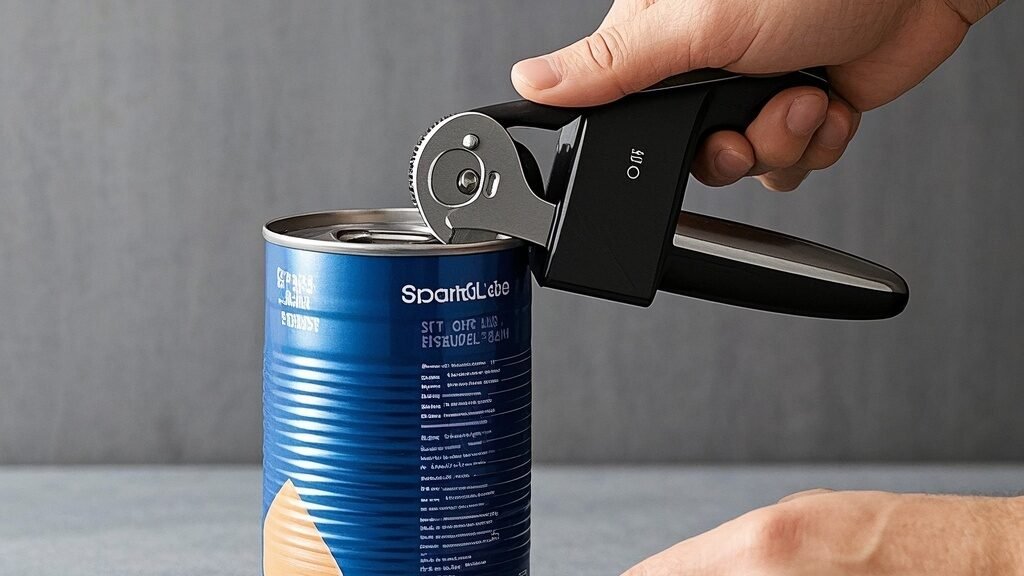
What Automatic Can Opener Is Best for Aging Hands?
Opening a can should be a simple task, but for many seniors or individuals with arthritis, diminished grip strength, or hand tremors, a traditional manual opener can transform a basic kitchen chore into a frustrating, and sometimes painful, struggle. The twisting motion, the pressure required, and the sharp edges of the lid can pose real challenges. This is where the modern electric can opener steps in, not just as a convenience, but as a genuine tool for maintaining independence and safety in the kitchen. Finding the right automatic can opener can make all the difference, turning a daunting task into a simple push-button operation.
Why an Electric Can Opener is a Game-Changer for Seniors
For aging hands, the benefits of switching from a manual to an electric model are profound. The core advantage is the dramatic reduction in physical effort. Instead of requiring sustained grip strength and wrist rotation, most automatic openers need only a light press of a button or lever. This can alleviate pain for those with arthritis or conditions like carpal tunnel syndrome.
Safety and Independence
Beyond ease of use, safety is a paramount concern. High-quality automatic openers are designed to leave smooth, safe edges on both the can and the lid, virtually eliminating the risk of cuts from sharp metal. Many models also feature hands-free operation, magnetically lifting and holding the lid after cutting, so users never have to touch it. This combination of features empowers seniors to prepare meals safely without assistance, fostering a sense of confidence and self-reliance in their own kitchen.
Key Features to Look for in a Senior-Friendly Can Opener
Not all electric can openers are created equal, especially when considering the specific needs of older adults. When shopping, prioritize models that address common physical limitations.
Ease of Operation and Handling
Look for large, clearly marked buttons or paddles that are easy to press without precision. A unit with a stable, non-slip base is crucial to prevent tipping during use. Consider the weight and size; a lighter model might be easier to lift and store, but a heavier one may offer more stability. Some openers feature extra-large knobs or handles for easier gripping when positioning the can.
Practical and Safety Enhancements
A hands-free design with a magnetic lid holder is arguably the most important safety feature. Also, seek out openers that can accommodate different can sizes and shapes reliably. A built-in knife sharpener or bottle opener might seem like a bonus, but focus on the core can-opening performance first. Easy cleaning is another practical aspect—removable cutting assemblies that are dishwasher-safe can be a significant advantage.
Top Considerations and Practical Tips for Use
Integrating a new appliance into a routine takes a little adjustment. For optimal results and longevity, proper placement and maintenance are key.
Setup and Daily Use Tips
Place the can opener on a clean, dry, and level section of your countertop. Ensure the power cord is tucked away safely to avoid tripping hazards. Always align the cutter wheel with the outer rim of the can’s lid before activating. It’s good practice to wipe the cutting assembly with a damp cloth after each use to prevent food residue from building up and jamming the mechanism.
Maintenance and Limitations
While extremely helpful, automatic can openers do have limitations. They require access to an electrical outlet, which may influence where you can use it. According to manufacturer guidelines, most are not designed for ultra-large commercial-sized cans or oddly shaped containers. The motor, while powerful, can wear out over several years of frequent use. It’s also wise to have a simple manual backup opener on hand for power outages.
Exploring Different Types of Automatic Openers
The market offers a couple of distinct styles. The classic electric can opener sits on the countertop, with a horizontal or vertical arm that lowers onto the can. These are typically the most powerful and versatile. Alternatively, battery-powered handheld openers offer portability and can be easier to store, but they may require more dexterity to position correctly and their batteries need recharging or replacement. For most seniors with limited hand strength, a stable, plug-in countertop model is often the most reliable and easiest to use consistently.
Who Should Consider an Automatic Can Opener?
If you or a loved one experiences pain, weakness, or tremors in your hands when using traditional kitchen tools, an automatic can opener is more than a luxury—it’s a practical aid for daily living. It’s ideal for seniors, individuals with arthritis, Parkinson’s disease, or recovering from hand surgery. By removing a common physical barrier in the kitchen, it promotes safer, more independent meal preparation. Find the perfect can opener for your needs below!
Related Guides:
- Best Rated Can Openers 2026 (All Categories)
- Best Can Opener for Seniors with Weak Grip (2026 Top Picks)
- Best Can Opener for Arthritis Patients (2026 Pain-Free Picks)
- Best Can Opener for Stroke Survivors (2026 Easy-Use Picks)
- Best Electric Can Opener (2026 Top-Rated Automatic Models)
- Best Hands-Free Can Opener (2026 No-Grip Effort Models)
- Best Manual Can Opener (2026 Ergonomic Low-Effort Models)
- Best Sharp-Edge-Free Can Opener (2026 Safe No-Cut Models)