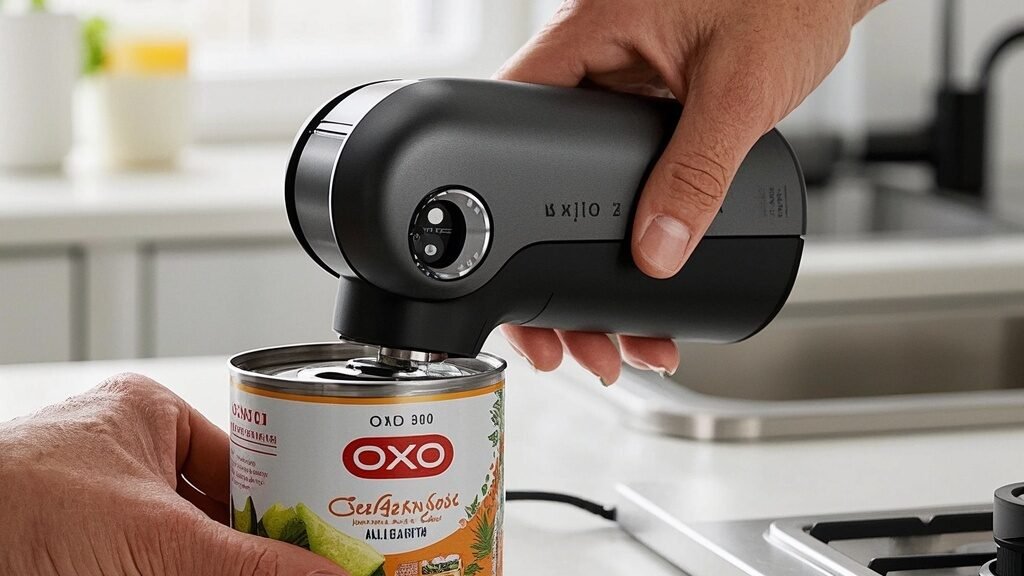
What Automatic Can Opener Is Best for Limited Strength?
Opening a can shouldn’t feel like a test of endurance. For many, especially seniors or those managing conditions like arthritis, the simple twist of a manual opener can be a frustrating, even painful, barrier to a quick meal. The kitchen, a place of independence, suddenly presents a small but significant challenge. This is where the right automatic can opener transforms from a convenience into an essential tool for maintaining autonomy in the kitchen.
Why an Automatic Can Opener Is a Game-Changer
Modern electric and automatic openers are designed with accessibility at their core. They eliminate the need for the pinching, twisting, and sustained pressure required by traditional models. With a simple button press, the device does all the work—gripping the can, magnetically lifting the lid, and stopping automatically. This isn’t just about saving a few seconds; it’s about preserving energy and confidence. For individuals with limited hand strength or dexterity issues, this effortless operation means fewer skipped meals and less reliance on assistance for basic tasks.
Key Benefits Beyond Ease of Use: Beyond the obvious physical relief, these tools offer enhanced safety. The magnetic lid lifters common in many models prevent the risk of cuts from sharp edges. Many also feature hands-free operation, where the unit clamps onto the can, allowing the user to step away. This is particularly valuable for those with tremors or coordination difficulties, ensuring stability throughout the process.
What to Look for When Choosing Your Opener
Not all automatic openers are created equal, especially when prioritizing ease of use for those with strength limitations. The market offers a range, from basic electric models to fully automatic, hands-free designs. Your choice should hinge on a few critical features that directly address specific needs.
Operation and Controls: Seek out models with large, easy-to-press buttons or paddles. A smooth, single-button operation is ideal. Some advanced openers require only a gentle tap to start and stop. Avoid models with small switches or complicated dials.
Grip and Stability: The opener must be stable during use. A non-slip base or suction feet are excellent features that prevent the unit from sliding on the counter. The cutting mechanism should also grip the can securely without requiring the user to hold it down with force.
Ease of Cleaning: Look for designs where the cutting assembly is easily detachable for rinsing. Units with fewer crevices and dishwasher-safe parts simplify maintenance, which is a crucial consideration for ongoing usability.
Safety and Practical Tips for Everyday Use
While automatic openers are inherently safer for many users, following best practices ensures optimal performance and longevity. Always place the opener on a clean, dry, and stable surface before use. Ensure the can’s rim is clean of debris to help the cutter grip properly. It’s also wise to periodically check the cutting wheel for dullness or food buildup, as a sharp blade requires less motor strain and provides a cleaner cut.
Power and Maintenance: Most units are corded for consistent power, but cordless rechargeable models offer excellent portability for those who may need to use it at a table. Whichever you choose, keep the cord or charging base out of walkways to prevent tripping. A simple monthly wipe-down and a check of the moving parts will keep your opener running smoothly for years.
Top Considerations for Different Needs
For severe arthritis or very limited grip strength, a fully automatic, hands-free model is often the best choice. These units clamp onto the can, requiring zero pressure from the user. The entire operation is controlled by one large button.
For mild to moderate dexterity issues, a standard electric opener with oversized buttons and a magnetic lid lifter can be perfectly sufficient and is often more budget-friendly. The key is testing the button resistance before purchase, if possible.
For users who also struggle with lifting cans, consider a side-cutting or “smooth edge” opener. These models cut the can from the side, leaving a perfectly smooth lid and rim, which is safer and requires less hand maneuvering.
Who Should Consider an Automatic Can Opener?
If you or a loved one hesitates before a pantry full of cans, dreads the ache in your hands after dinner prep, or has simply given up on certain foods because of the packaging, an automatic can opener is a worthwhile investment. It’s a small appliance that delivers a significant quality-of-life improvement, restoring ease and independence to a daily activity.
Find the perfect can opener for your needs below!
Related Guides:
- Best Rated Can Openers 2026 (All Categories)
- Best Can Opener for Seniors with Weak Grip (2026 Top Picks)
- Best Can Opener for Arthritis Patients (2026 Pain-Free Picks)
- Best Can Opener for Stroke Survivors (2026 Easy-Use Picks)
- Best Electric Can Opener (2026 Top-Rated Automatic Models)
- Best Hands-Free Can Opener (2026 No-Grip Effort Models)
- Best Manual Can Opener (2026 Ergonomic Low-Effort Models)
- Best Sharp-Edge-Free Can Opener (2026 Safe No-Cut Models)