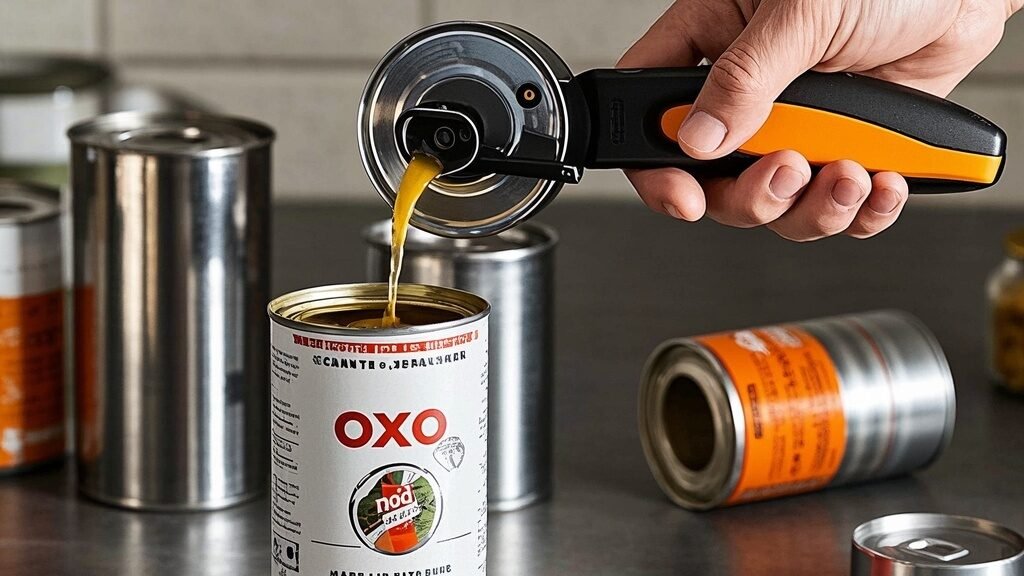
What Can Opener Is Best After Wrist Surgery?
Recovering from wrist surgery transforms simple kitchen tasks into daunting challenges. The mere thought of twisting a traditional can opener can send a jolt of anxiety through anyone with a healing wrist, weak grip, or arthritic hands. For seniors or anyone with limited mobility, regaining independence in the kitchen isn’t just about convenience—it’s about dignity and safety. The right safety can opener can be a transformative tool, turning a painful struggle into a simple, one-handed operation. This guide explores the essential features that make a can opener truly accessible, offering practical solutions to keep you cooking safely and confidently.
Key Features of a Safe and Accessible Can Opener
Not all can openers are created equal, especially when your hands demand extra care. The best models for post-surgery or arthritic users prioritize effortless operation and eliminate common pain points.
Ergonomic Design and Pain-Free Operation
Look for openers with large, soft-grip handles that distribute pressure across your palm instead of concentrating it on your fingers. This design minimizes the pinching and twisting motions that aggravate arthritis or a healing wrist. Many can openers for seniors feature oversized dials or paddles that can be operated with the heel of your hand or even your forearm, requiring virtually no grip strength.
Safety and Stability Are Paramount
A slipping can is a major hazard. The safest openers have powerful magnetic lids lifters that securely hold the cut lid, preventing sharp edges from falling into the food or onto your hands. A strong, non-slip base is crucial; it anchors the opener to the counter, allowing you to use the device with one stable hand while the other operates the mechanism. This eliminates the dangerous wrestling match with a spinning can.
Top Can Opener Styles for Limited Mobility
Understanding the different mechanisms available is the first step to finding your perfect kitchen ally. Each style offers unique benefits for users with specific limitations.
Electric Can Openers: The Ultimate in Ease
For maximum independence with minimal effort, an electric can opener is often the top recommendation. You simply place the can under the guiding arm, press a lever, and the machine does all the work—no twisting, gripping, or pressure required. They are ideal for one-handed use and severe arthritis. The main consideration is ensuring it has an automatic shut-off and a magnetic lid holder for safety.
Side-Cutting or “Smooth-Edge” Openers
This manual style is a fantastic safety-focused alternative. Instead of cutting through the top rim, it rolls the seam along the side of the can, leaving a perfectly smooth edge on both the lid and the can. This eliminates sharp, jagged metal entirely, a significant safety win. They typically require less downward force than traditional openers, but some models still need a steady turning motion.
Lever-Style or “One-Touch” Openers
These innovative manual openers use a simple push-down lever mechanism. You clamp the opener onto the can and then press a large lever repeatedly. Each press advances the cutter around the rim. This design uses arm strength instead of wrist-twisting or finger-gripping strength, making it excellent for those with weak hands or painful wrists.
Practical Tips and Safety Considerations
Choosing the right tool is half the battle. Using it wisely ensures a safe and sustainable kitchen experience.
Creating a Safe Workspace
Always operate your can opener on a clean, dry, and stable counter. Use a non-slip mat underneath for added security if your opener isn’t suction-based. Ensure you have good lighting to see the alignment clearly. Keep a small magnet handy if your opener lacks a lid lifter, to safely remove the lid after cutting.
Maintenance for Longevity and Safety
A dull cutter requires more force, defeating the purpose of an easy-to-use can opener. Regularly clean the cutting wheel and gears of food debris. For manual models, a drop of food-grade mineral oil on the moving parts once a year can keep the action smooth. Always unplug electric models before cleaning. If an opener becomes difficult to turn or sounds strained, it’s time to replace it—don’t force it.
Adapting Your Kitchen Habits
Consider transferring contents from a freshly opened can into a separate container to avoid accidental contact with the sharp inner rim. Look for canned goods with pull-tab lids when shopping to bypass opening altogether. Most importantly, be patient with yourself and acknowledge that using adaptive tools is a smart strategy for maintaining independence, not a compromise.
Who Should Consider a Specialized Can Opener?
If you are recovering from wrist, hand, or shoulder surgery, managing arthritis, carpal tunnel, or general hand weakness, or simply value safety and effortless operation in the kitchen, investing in a dedicated can opener for weak hands is a decision you won’t regret. It’s a small appliance that makes a monumental difference in daily comfort and confidence. Find the perfect can opener to reclaim your kitchen independence below!
Related Guides:
- Best Rated Can Openers 2026 (All Categories)
- Best Can Opener for Seniors with Weak Grip (2026 Top Picks)
- Best Can Opener for Arthritis Patients (2026 Pain-Free Picks)
- Best Can Opener for Stroke Survivors (2026 Easy-Use Picks)
- Best Electric Can Opener (2026 Top-Rated Automatic Models)
- Best Hands-Free Can Opener (2026 No-Grip Effort Models)
- Best Manual Can Opener (2026 Ergonomic Low-Effort Models)
- Best Sharp-Edge-Free Can Opener (2026 Safe No-Cut Models)