What Can Opener Is Best for Hand Tremors?
Imagine the simple act of opening a can of soup becoming a daily source of frustration and anxiety. For millions of seniors and individuals with hand tremors, arthritis, or limited grip strength, that’s the reality. The twisting, pinching, and pressure required by a standard can opener can transform a basic kitchen task into a painful ordeal, or worse, a safety hazard. The quest for a safe, easy-to-use can opener isn’t just about convenience; it’s about preserving independence and dignity in the kitchen. Finding the best can opener for hand tremors means prioritizing tools designed with safety and accessibility at their core, allowing users to focus on the meal, not the struggle.
Essential Features of a Safe, Senior-Friendly Can Opener
Not all can openers are created equal, especially when dexterity is a concern. The key is to look for designs that minimize force, eliminate sharp edges, and provide maximum stability. The primary goal is to reduce the risk of cuts, slips, and strain.
Safety-First Design
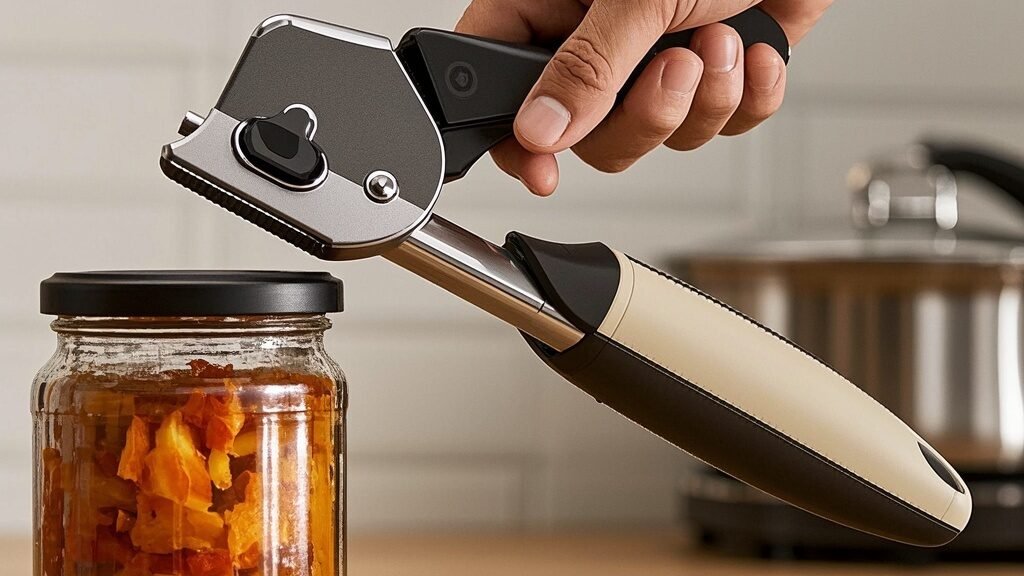
The most critical feature is a mechanism that leaves a smooth, safe lid. Traditional openers leave a jagged, razor-sharp edge on both the lid and the can, which is a significant cut risk. Look for models that use a side-cutting or under-the-rim technology. These designs cleanly separate the lid from the can’s sidewall, leaving a perfectly smooth rim on both pieces. The removed lid often sits securely on top, held by magnets, preventing it from falling into the food.
Ergonomic and Pain-Free Operation
For those with arthritis or weak hands, gripping and turning a small knob is often impossible. The ideal can opener for seniors features large, soft-grip handles that distribute pressure across the palm, not the fingers. Electric or automatic openers are frequently the best choice as they require only the push of a button. For manual options, seek out openers with oversized, easy-turn dials or lever-style mechanisms that use forearm strength instead of fine finger movements.
Top Can Opener Styles for Limited Mobility
Understanding the different types of adaptive can openers available is the first step to finding the right tool. Each style offers distinct advantages for specific needs.
Automatic Electric Can Openers
These are often the gold standard for ease of use. You simply position the can, press a lever or button, and the machine does all the work. They require minimal grip strength and no twisting motion whatsoever. Many feature hands-free operation, where the opener grips the can for you, and some even have an automatic shut-off. The main considerations are counter space, the need for an outlet, and ensuring the model has a strong, reliable magnet to catch the lid.
Ergonomic Manual Openers
For those who prefer a non-electric tool, modern manual designs have come a long way. Look for one-handed can openers that use a simple rocking motion or a large lever. These designs utilize physics to multiply force, making cutting effortless. Another excellent option is a wall-mounted can opener. By fixing the opener to a cabinet or wall, it provides incredible stability, allowing the user to guide the can with two hands if needed, eliminating the need to hold the opener itself.
Specialized Adaptive Tools
For severe tremors or very limited hand strength, specialized adaptive kitchen tools exist. These might include openers with extra-large, contoured grips or openers designed to be operated with a closed fist. Consulting with an occupational therapist can provide insights into these specialized products.
Practical Tips and Safety Considerations
Choosing the right opener is crucial, but how you use it matters just as much. A few simple practices can make the process even safer and more comfortable.
Creating a Stable Workspace
Always work on a clean, dry, and non-slip surface. Use a damp cloth or a silicone mat underneath the can to prevent it from spinning. Ensure your counter is at a comfortable height to avoid leaning or straining your back. Good lighting is essential to see the alignment clearly.
Maintenance and Care
A dull cutting wheel is a safety hazard, as it requires more force and can slip. Regularly check the cutting wheel and gear for food debris, and clean the opener according to the manufacturer’s instructions. For electric models, keep the cord safely out of the way. In our testing, a well-maintained opener performs reliably and safely for years.
Prioritizing Independence Safely
While fostering independence is the goal, it’s important to assess individual capability. For some, an electric opener operated under supervision might be appropriate. Discuss the options with the user, try different styles if possible, and focus on tools that build confidence. Remember, the safest tool is one that the user can operate comfortably and confidently without fear of pain or injury.
Who Should Consider a Can Opener for Hand Tremors?
If you or a loved one experiences hand weakness, arthritis, Parkinson’s disease, essential tremors, or general loss of grip strength, investing in an adaptive can opener is a decision that promotes safety, reduces pain, and reclaims kitchen independence. It’s a small tool that makes a profound difference in daily life. Find the perfect can opener for your needs below and transform a challenging chore into a simple, safe task!
Related Guides:
- Best Rated Can Openers 2026 (All Categories)
- Best Can Opener for Seniors with Weak Grip (2026 Top Picks)
- Best Can Opener for Arthritis Patients (2026 Pain-Free Picks)
- Best Can Opener for Stroke Survivors (2026 Easy-Use Picks)
- Best Electric Can Opener (2026 Top-Rated Automatic Models)
- Best Hands-Free Can Opener (2026 No-Grip Effort Models)
- Best Manual Can Opener (2026 Ergonomic Low-Effort Models)
- Best Sharp-Edge-Free Can Opener (2026 Safe No-Cut Models)