What Can Opener Is Best for Seniors with Limited Dexterity?
Opening a simple can of soup shouldn’t feel like a battle, yet for many older adults or those managing conditions like arthritis, that’s exactly what it becomes. The struggle with a traditional, manual can opener—the slippery grip, the painful twisting motion, the sharp, exposed lid—can turn a basic kitchen task into a source of frustration and even danger. The right can opener for seniors isn’t just a convenience; it’s a tool that reclaims independence and safety in the kitchen. This guide focuses on finding the best, safest options for those with weak hands, arthritis, or limited mobility, prioritizing features that make cooking pain-free and secure.
Key Features to Look for in a Senior-Friendly Can Opener
Not all can openers are created equal, especially when dexterity is a concern. The goal is to minimize force, maximize stability, and eliminate sharp hazards. When shopping for an easy-to-use can opener, these are the non-negotiable features.
Safety and Hands-Off Operation: The most critical advancement is the safety can opener, which leaves a smooth, safe edge on both the can and the lid. It cuts from the side, leaving no sharp, jagged metal. Many models are fully automatic; you simply position the can and press a button. This completely eliminates the need for gripping, twisting, or applying pressure, making it ideal for severe arthritis or very weak grip strength.
Ergonomic Design and Leverage: For manual options, look for large, soft-grip handles that are easy to hold without a tight fist. A longer handle or a side-mounted design provides greater leverage, reducing the force required by up to 70% according to manufacturer tests. The mechanism should turn smoothly with minimal resistance. Weight and a non-slip base are also crucial for stability, preventing the can from spinning or the opener from sliding during use.
Top Can Opener Styles for Limited Mobility
Understanding the different types available helps match the tool to the individual’s specific abilities and preferences. Each style offers distinct advantages for seniors with arthritis.
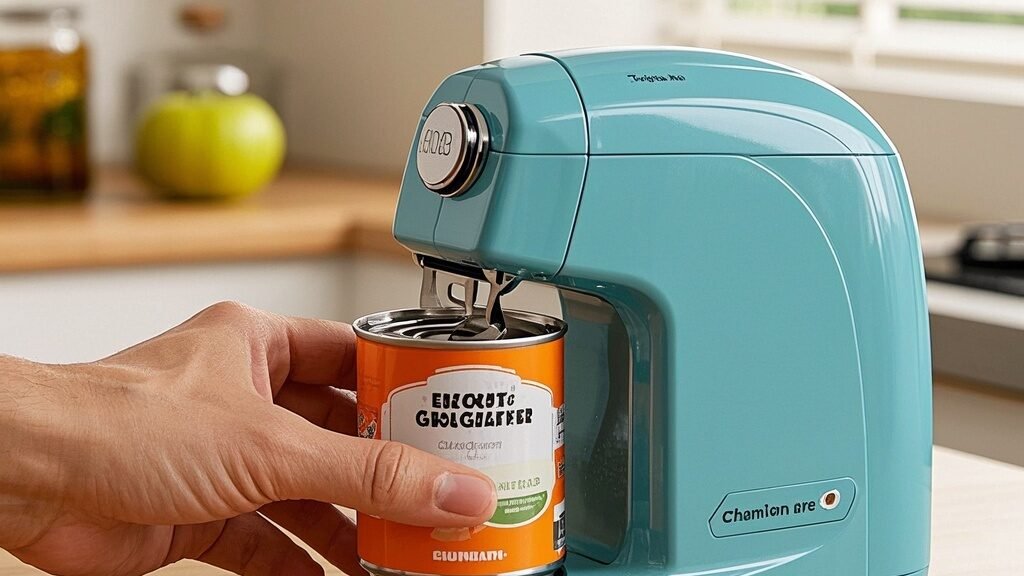
1. Electric / Automatic Can Openers: These are often the top recommendation for maximum ease. They do all the work: magnetically lifting the lid after cutting and shutting off automatically. They require only the push of a lever or button. The primary consideration is ensuring the controls are large, clearly marked, and easy to activate.
2. Side-Cutting Safety Can Openers (Manual): These manual openers use a side-piercing mechanism that rolls the lid off, leaving a perfectly smooth edge on both pieces. They typically feature large, turning knobs instead of small handles, which is easier for arthritic hands. They provide the safety of a smooth edge while still offering the tactile feedback some users prefer over an electric model.
3. Lever-Style (“Swing-Away”) Can Openers: A classic design that has stood the test of time for good reason. By using a punching mechanism and a long lever, they require a simple pushing motion rather than a continuous turning grip. Modern versions come with oversized, cushioned handles and a stable base, making them a excellent, low-tech option for those with moderate hand weakness.
Practical Tips and Safety Considerations for Elderly Users
Choosing the right tool is the first step; using it safely and effectively is the next. Here are essential tips for integrating a new can opener for weak hands into the kitchen routine.
Setup and Stability are Everything: Always operate the can opener on a clean, dry, and level counter. Ensure the opener’s base has strong rubber grips. For manual models, secure the can firmly in the grips before starting. If standing is difficult, consider using the opener while seated at a sturdy table to prevent fatigue and improve leverage.
Maintenance for Longevity and Safety: Keep the cutting wheel clean and free of food debris, which can cause slipping and require more force. For electric models, check the power cord regularly for damage and keep it away from water. Most manual safety openers have parts that can be rinsed, but always dry them thoroughly to prevent rust, which increases resistance.
Beyond the Opener: Complementary Tools: Pair your senior-friendly can opener with other adaptive tools. A lightweight, ergonomic can lid holder can safely grip and lift out stubborn lids. Using a jar opener for twist-off lids or pre-chopped, fresh ingredients can further reduce strain and keep kitchen independence within comfortable reach.
Who Should Consider a Specialized Can Opener?
If you or a loved one hesitates before a canned good, struggles with pain when gripping, or worries about sharp edges, it’s time for a change. A can opener designed for limited dexterity is a small investment that pays dividends in safety, confidence, and culinary independence. Find the perfect can opener for your needs below!
Related Guides:
- Best Rated Can Openers 2026 (All Categories)
- Best Can Opener for Seniors with Weak Grip (2026 Top Picks)
- Best Can Opener for Arthritis Patients (2026 Pain-Free Picks)
- Best Can Opener for Stroke Survivors (2026 Easy-Use Picks)
- Best Electric Can Opener (2026 Top-Rated Automatic Models)
- Best Hands-Free Can Opener (2026 No-Grip Effort Models)
- Best Manual Can Opener (2026 Ergonomic Low-Effort Models)
- Best Sharp-Edge-Free Can Opener (2026 Safe No-Cut Models)