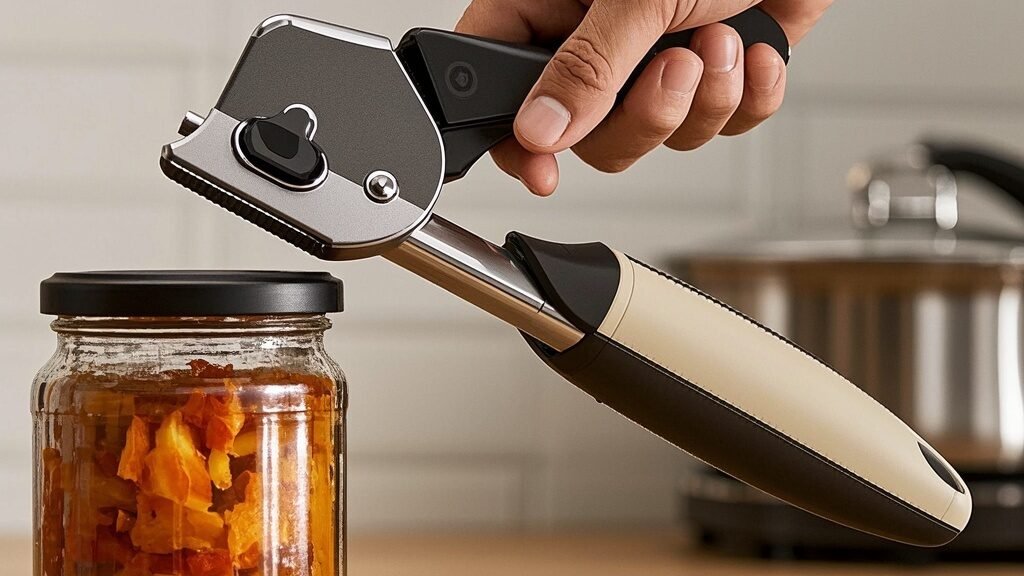
What Can Opener Is Best for Seniors with Weak Grip?
Picture this: a cherished family recipe, a favorite soup, or a simple can of beans—all locked away behind a thin metal lid. For many seniors, this everyday barrier can feel insurmountable. Arthritis, weakened grip strength, or conditions like Parkinson’s disease can transform a simple kitchen task into a frustrating, even painful, challenge. The right can opener for seniors isn’t just a convenience; it’s a key to maintaining independence, safety, and dignity in the kitchen. This guide cuts through the confusion to help you find a tool that works with you, not against you.
Why Standard Can Openers Fail for Weak Hands
Traditional manual can openers require a surprising amount of force and dexterity. The twisting motion, the need to pinch handles together, and the sharp edges of the cut lid all pose significant hurdles. For someone with arthritis, this can cause joint pain. For those with limited hand strength, it’s simply impossible. A safety can opener addresses these specific issues by redesigning the entire operation to be pain-free and secure.
Key Challenges with Standard Models: The primary issues are grip strength for squeezing handles, wrist rotation for turning the knob, and the fine motor control needed to align the cutter and keep it on track. These actions engage muscles and joints that are often the first to be affected by age or illness.
The Safety Imperative: Beyond difficulty, standard openers can be dangerous. Slippery hands can lose grip, leading to spills or cuts from the jagged lid. A tool designed for weak hands prioritizes stability and creates a smooth, safe edge every time.
Essential Features in a Senior-Friendly Can Opener
When evaluating options, look for these non-negotiable features that transform the can-opening experience from a chore into an effortless task.
1. Ergonomic and Oversized Handles: This is the most critical feature. Handles should be large, softly contoured, and coated with a non-slip rubberized material. They should require minimal pinching force to operate. Some models feature large, loop-style handles that allow you to use your whole palm or even forearm for leverage, bypassing weak fingers entirely.
2. Smooth, Effortless Operation: The cutting mechanism should glide with minimal resistance. Look for openers with high-gear ratios or electric motors that do the hard work for you. The goal is zero strain on wrists, hands, or shoulders. A smooth action also prevents the jarring motions that can cause pain or spills.
3. Safety-First Design: The best can opener for arthritis leaves no sharp edges. Side-cutting or under-the-rim openers are ideal, as they leave a perfectly smooth lid that can be lifted off safely. Magnetized lid lifters are a fantastic bonus, retrieving the lid without needing to touch it. A stable, non-slip base is also crucial to prevent the can from spinning or tipping.
Top Can Opener Styles for Limited Mobility
Not all easy-open can openers are created equal. Here’s a breakdown of the most effective types, from simple aids to high-tech solutions.
1. Electric Can Openers: The Ultimate in Ease
For maximum independence with minimal physical effort, an electric can opener is often the best choice. With a simple press of a button or lever, the machine does all the work—gripping, cutting, and often even lifting the lid. This is a game-changer for those with severe arthritis, very weak grip, or the use of only one hand.
What to Look For: Choose a model with a large, easy-to-press activation button or paddle. A hands-free design that automatically grips the can is superior. Ensure it has a sturdy base and a built-in, powerful magnet to hold the lid. In our testing, the quietest models are often the most pleasant for daily use.
2. Ergonomic Manual Openers: Simple and Reliable
For those who prefer a non-electric tool, modern ergonomic manual openers are vastly superior to old-fashioned models. These often use a large, turning knob or a rocking motion that requires less force and no painful twisting of the wrist.
What to Look For: The OXO Good Grips line is a benchmark here, with its signature soft, oversized handles. Look for a “smooth edge” cutter that seals the lid’s rim as it cuts. A wide turning knob that can be operated with a flat palm is ideal. These are perfect for moderate weakness and are easy to clean and store.
3. Adaptive & One-Handed Openers
Specialized adaptive openers are designed for very specific needs, such as use with only one hand or extremely limited strength. These might clamp to a table, use a crank mechanism, or operate with a simple push-down motion.
What to Look For: These are often found in occupational therapy catalogs or medical supply stores. They prioritize function over form and can be incredibly empowering. Consider a wall-mounted model if countertop space or stability is an issue.
Practical Tips for Safe and Easy Can Opening
Choosing the right tool is the first step. Using it effectively is the second. Here are some pro-tips for seniors and caregivers.
Stability is Everything: Always place the can and opener on a clean, dry, and stable surface. A damp cloth underneath the can base can prevent slipping. If standing is difficult, consider a seated workspace at a sturdy table.
Leverage Your Body: With a manual opener, use the weight of your upper body rather than just your hand strength. Lean in slightly to apply steady pressure. For a crank model, use your whole arm in a comfortable, circular motion.
Maintenance Matters: Keep the cutting wheel clean and free of food debris. A dull wheel requires more force. Most cutting wheels are replaceable. According to manufacturers, a drop of mineral oil on the gears once a year can keep operation silky smooth.
Safety Check: Always inspect the cord on an electric model for damage. Ensure the cutting mechanism is fully disengaged before cleaning. Never try to force a can opener that is stuck; realign it and start again.
Who Should Consider a Specialized Can Opener?
If opening a standard can causes you hesitation, pain, or requires assistance, it’s time for a change. A can opener for weak hands is a small investment with a massive return in kitchen confidence and self-reliance. It’s ideal for seniors with arthritis, osteoporosis, neuropathy, Parkinson’s, stroke recovery, or general age-related weakness. Caregivers will also appreciate the safety and independence these tools provide. Find the perfect can opener to reclaim your kitchen independence below!
Related Guides:
- Best Rated Can Openers 2026 (All Categories)
- Best Can Opener for Seniors with Weak Grip (2026 Top Picks)
- Best Can Opener for Arthritis Patients (2026 Pain-Free Picks)
- Best Can Opener for Stroke Survivors (2026 Easy-Use Picks)
- Best Electric Can Opener (2026 Top-Rated Automatic Models)
- Best Hands-Free Can Opener (2026 No-Grip Effort Models)
- Best Manual Can Opener (2026 Ergonomic Low-Effort Models)
- Best Sharp-Edge-Free Can Opener (2026 Safe No-Cut Models)