What Is Best Can Opener for Seniors with Chronic Hand Pain?
For many seniors, the simple act of opening a can of soup or vegetables can transform from a mundane kitchen task into a source of daily frustration and pain. Gripping a traditional can opener requires a surprising amount of hand strength and dexterity, which can be severely compromised by conditions like arthritis, tendonitis, or general weakness. The struggle isn’t just physical; it can chip away at one’s sense of independence and enjoyment of cooking. Finding the best can opener for seniors isn’t about luxury—it’s about restoring safety, comfort, and autonomy in the kitchen.
Key Features of a Senior-Friendly Can Opener
Not all can openers are created equal, especially when hand pain is a factor. The ideal model prioritizes ergonomics and requires minimal force. Look for these essential features designed for safety and ease of use.
Ergonomic Design and Grip
The handle is the most critical component. Opt for large, soft-grip handles that distribute pressure across the palm rather than concentrating it on the fingers and joints. Contoured shapes that fit the natural curve of the hand reduce strain. Some models feature oversized, looped handles that allow you to use your whole hand or even forearm to turn, bypassing painful finger joints entirely.
Effortless Operation and Mechanism
Leverage is your best friend. Side-mounted or under-cabinet electric can openers do all the work with the push of a button, requiring zero grip strength. For manual options, look for smooth-geared, step-up mechanisms that multiply your input force. A smooth, continuous cutting action is far easier than the stop-and-start motion of old-fashioned pierce-and-turn openers.
Safety and Stability Features
Safety is paramount. A strong magnetic lid lifter automatically grabs the cut lid, eliminating the need to pry with fingers near sharp edges. A secure, non-slip base or a model that clamps firmly onto the can prevents dangerous slipping and wobbling during operation. Look for designs that leave a smooth, safe edge on both the can and the lid.
Top Can Opener Types for Limited Mobility
Understanding the different types available helps narrow the search for the perfect tool. Each category offers distinct advantages for users with chronic hand pain.
Electric Can Openers: The Ultimate in Ease
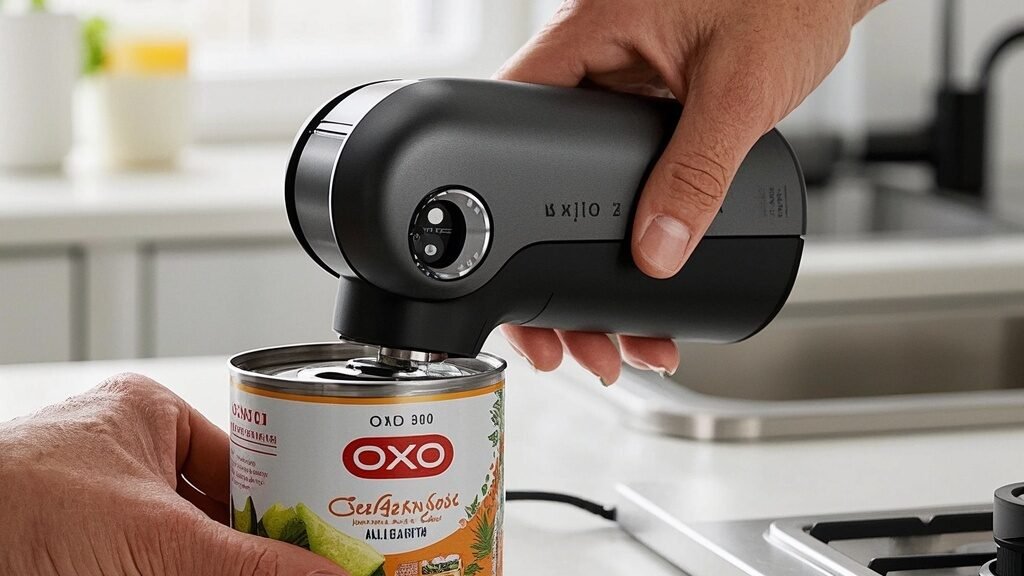
For seniors with significant weakness or arthritis in both hands, an electric can opener is often the top recommendation. Operation is simple: place the can, align the cutter, and press a large, accessible button. The motor does the rest, cleanly cutting the lid. Many feature auto-stop and hands-free operation. The main drawback is that they require counter space and an electrical outlet, and they are not portable.
Lever-Style (Swing-Away) Openers: Excellent Manual Choice
These are among the easiest manual openers to use. You clamp the device onto the can’s rim and then simply press a large lever repeatedly. This motion uses palm or arm strength and requires almost no pinching or twisting from the fingers. They are stable, leave a safe edge, and are easy to clean. They do require some initial clamping force and a bit more storage space than compact models.
Adaptive and Specialty Openers
Innovative designs cater specifically to low hand strength. These include openers with extra-large T-shaped handles for a two-handed turn, openers mounted on a base for stability, or even simple one-touch punch openers for specific can types. While sometimes designed for single tasks, they can be invaluable for maintaining independence.
Practical Tips for Safe and Pain-Free Use
Choosing the right tool is the first step; using it correctly ensures long-term safety and comfort. Here are practical considerations for elderly users and their caregivers.
Positioning and Setup for Success
Always operate the can opener on a stable, dry, and well-lit surface. For manual models, ensure the opener is securely attached to the can’s rim before you start turning. If standing is difficult, perform the task seated at a sturdy table. For electric models, place them in an accessible spot where the cord is not a tripping hazard.
Maintenance for Lasting Performance
A clean can opener works more smoothly and requires less force. Regularly wipe down the cutting wheel and gears with a damp cloth to remove food residue and prevent rust. For electric models, unplug the unit before cleaning. Periodically check that all parts are tight and the mechanism moves freely. A drop of food-grade mineral oil on the moving parts of a manual opener can keep it working like new.
Important Safety Reminders
Never attempt to use a can opener on a damaged or severely dented can. Always use the built-in magnet or a tool to remove the cut lid—never your fingers. Supervise use if cognitive decline is a concern, especially with electric appliances. Store the opener in an easy-to-reach place to avoid awkward stretching or bending.
Who Should Consider a Specialized Can Opener?
If you or a loved one hesitates before a can of food, dreads the sharp edges, or finishes the task with aching hands, it’s time for a change. The best can opener for seniors with chronic hand pain is the one that makes the task feel effortless and safe, turning a barrier back into a simple step in meal preparation. It’s a small investment that pays dividends in dignity, independence, and daily comfort. Find the perfect can opener for your needs below and reclaim the joy of your kitchen!
Related Guides:
- Best Rated Can Openers 2026 (All Categories)
- Best Can Opener for Seniors with Weak Grip (2026 Top Picks)
- Best Can Opener for Arthritis Patients (2026 Pain-Free Picks)
- Best Can Opener for Stroke Survivors (2026 Easy-Use Picks)
- Best Electric Can Opener (2026 Top-Rated Automatic Models)
- Best Hands-Free Can Opener (2026 No-Grip Effort Models)
- Best Manual Can Opener (2026 Ergonomic Low-Effort Models)
- Best Sharp-Edge-Free Can Opener (2026 Safe No-Cut Models)