What Is the Best Can Opener for Seniors with Joint Pain?
Opening a can of soup shouldn’t feel like a workout. For many seniors and individuals with arthritis or limited hand strength, the simple twist of a manual can opener can be a source of frustration and even pain. The good news is that kitchen technology has evolved to meet this exact need. Finding the best can opener for seniors isn’t just about convenience; it’s about reclaiming independence and safety in the kitchen. Modern electric and automatic openers are designed to do the hard work for you, requiring minimal grip strength and dexterity.
Why Traditional Can Openers Fall Short for Seniors
Standard manual can openers demand a combination of grip strength, wrist rotation, and sustained pressure that can be challenging. For someone with joint pain, arthritis, or conditions like Parkinson’s, this process is not only difficult but can also be unsafe, leading to slips or strain.
The Physical Demands
The action requires pinching the handles together while simultaneously turning a knob. This can exacerbate pain in fingers, thumbs, and wrists. Over time, this repetitive strain can discourage cooking from scratch, impacting nutrition.
Safety and Stability Concerns
A shaky grip or sudden pain can cause the opener to slip off the can’s rim. This creates sharp, exposed edges and risks cuts. A stable, hands-free solution eliminates this primary hazard, making kitchen tasks less daunting.
Key Features to Look for in a Senior-Friendly Can Opener
When shopping for an accessible can opener, focus on features that reduce physical effort and maximize safety. The goal is a tool that feels like a helpful assistant, not another obstacle.
Effortless Operation: Electric vs. Automatic
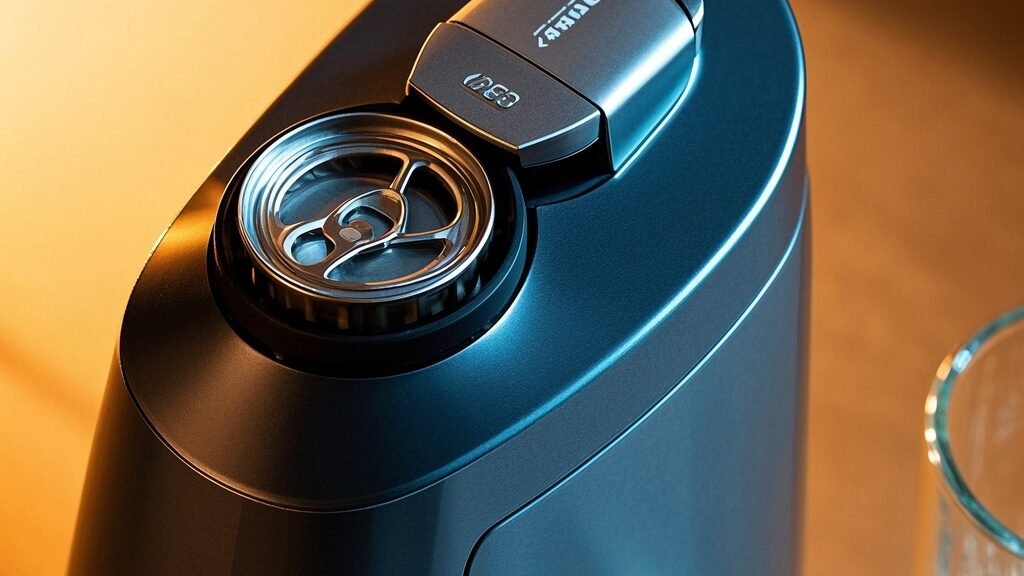
Electric can openers require you to place the can and press a button or lever to start. They do the cutting for you but usually need you to hold the can steady. Fully automatic can openers go a step further. You place the can, press a button, and the machine magnetically lifts and holds the can, rotates it, and stops automatically when the cut is complete. This truly hands-free operation is ideal for severe weakness or tremors.
Ergonomic and User-Friendly Design
Look for large, easy-to-press buttons instead of small switches. A lightweight design is easier to handle and store. Features like a built-in lid lifter (to avoid touching sharp edges) and a side-cutting mechanism that leaves smooth, safe rims are significant advantages. Easy-to-clean surfaces are also a major plus.
Top Considerations for Safety and Ease of Use
Beyond the basic features, a few practical considerations can make daily use smoother and safer for an elderly user.
Stability and Power Source
A non-slip base is crucial to prevent the unit from “walking” on the counter during use. Consider where the outlet is located; a model with a long cord offers more flexibility. Some modern options are rechargeable, eliminating cord management entirely.
Simplicity is Key
The best models have intuitive, one-button operation. Complicated dials or multiple settings can be confusing. Look for clear visual or auditory cues, like a beep or light, that indicate the process is done. In our testing, models that automatically retract the cutting blade after use prevent accidental nicks during cleaning.
Practical Tips for Choosing and Using Your Opener
Taking a moment to assess specific needs can lead to a much better long-term fit. It’s not just about buying the most expensive model; it’s about finding the right tool for the individual.
Assessing Individual Needs
Consider the user’s dominant hand and the strength in each. Some openers are truly ambidextrous, while others favor right-handed use. If hand tremors are a concern, the magnetic hold of an automatic opener is non-negotiable. For those with primarily grip issues, a large-handled electric model may suffice.
Maintenance and Longevity
To ensure longevity, regularly wipe down the cutting assembly to remove food particles and moisture. Periodically check that the cutting wheel is sharp; a dull wheel will strain the motor and crush the can instead of cutting cleanly. According to manufacturers, most electric openers are not designed for commercial-grade use, so consistent, moderate home use is expected.
Recommended Product Directions
While we don’t endorse specific brands, we can guide you toward the types of models that consistently receive high marks from seniors and caregivers. Look for automatic openers with strong magnetic bases and one-touch operation. Many top-rated models also include additional functions like a bottle opener or knife sharpener, consolidating tools.
When researching, pay close attention to reviews that mention “arthritis” or “weak hands.” Real-world feedback from users with similar limitations is the most valuable resource. Remember, the best choice prioritizes safety and effortless operation over extra bells and whistles.
Who Should Consider an Automatic Can Opener?
If you or a loved one experiences regular hand pain, stiffness, or weakness that makes kitchen tasks challenging, an automatic can opener is a worthwhile investment. It’s more than a gadget; it’s a tool for maintaining culinary independence and ensuring safety. The minimal physical effort required can help reduce the fear and frustration associated with meal prep, encouraging healthier eating habits.
Find the perfect can opener for your needs below and make the kitchen a welcoming place again!
Related Guides:
- Best Rated Can Openers 2026 (All Categories)
- Best Can Opener for Seniors with Weak Grip (2026 Top Picks)
- Best Can Opener for Arthritis Patients (2026 Pain-Free Picks)
- Best Can Opener for Stroke Survivors (2026 Easy-Use Picks)
- Best Electric Can Opener (2026 Top-Rated Automatic Models)
- Best Hands-Free Can Opener (2026 No-Grip Effort Models)
- Best Manual Can Opener (2026 Ergonomic Low-Effort Models)
- Best Sharp-Edge-Free Can Opener (2026 Safe No-Cut Models)