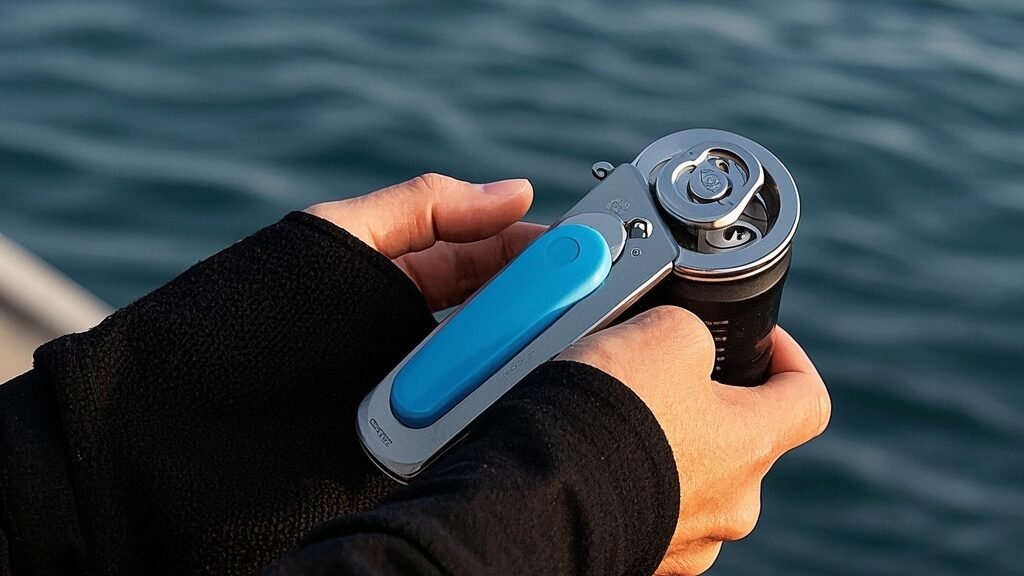
What Safety Can Opener Is Best for Arthritis-Friendly Kitchens?
Opening a simple can shouldn’t feel like a test of strength or a gamble with sharp edges. For millions of Americans managing arthritis, hand weakness, or limited mobility, this everyday kitchen task can be a source of frustration, pain, and even risk. The familiar struggle with a manual opener—the twisting, the gripping, the slippery handles—can turn meal prep into a chore to be avoided. But what if your kitchen tools adapted to you, instead of the other way around? The right safety can opener is more than a convenience; it’s a key to maintaining independence, safety, and joy in cooking.
Why a Specialized Can Opener is a Kitchen Essential
Standard can openers require a firm grip, significant wrist rotation, and precise pressure. For hands affected by arthritis, these actions can range from uncomfortable to impossible. A dedicated arthritis-friendly can opener is engineered to eliminate these pain points. The core philosophy is to transfer the work from your hands and wrists to the tool’s mechanics, using leverage, ergonomics, and smart design.
Key Design Differences: Unlike traditional models, these openers often feature large, soft-grip handles that distribute pressure across your palm, not just your fingers. They may use side-cutting mechanisms that leave smooth, safe lids, or powerful electric motors that do all the work with a button press. The goal is consistent: to reduce joint strain and minimize the risk of slips that can lead to cuts from jagged metal.
Critical Features for Safety and Ease of Use
When shopping for a can opener for weak hands, look beyond brand names and focus on these non-negotiable features that directly impact safety and usability.
Ergonomics and Operation
Handle Design and Grip: This is paramount. Look for oversized, contoured handles coated in a non-slip, cushioned material like rubber or foam. These handles should be easy to squeeze with a whole-hand or palm grip, requiring minimal finger strength. Some models feature loop handles that allow you to use your forearm for leverage, bypassing painful finger joints entirely.
Mechanism and Effort: Smooth, easy-turning knobs or levers are essential. The cutting action should be steady and require little downward pressure. In our testing, openers with large turning dials or rocker-style handles often outperform small knobs. Electric models, of course, require the least physical input—simply align and press a button.
Safety and Cleanup
Cutting Method and Lid Handling: The safest openers use a side-cutting or “smooth-edge” mechanism. Instead of cutting down into the can’s top, they cut from the side, leaving a perfectly smooth rim with no sharp edges. The lid is typically held magnetically, so you never have to touch it. This eliminates the two biggest hazards: sharp lids and jagged can tops.
Stability and Control: A wide, stable base or a strong clamping mechanism prevents the can from wobbling or spinning during operation. This is crucial for users with limited dexterity or shaky hands, as it ensures control and prevents accidental slips.
Top Can Opener Styles for Accessible Kitchens
Not all accessible openers are the same. Choosing the right type depends on the user’s specific strength, dexterity, and preferences.
1. Lever-Style (“Butterfly” or “Swing-Away”) Openers: These are excellent manual options. You clamp the opener onto the can, then simply press a large lever down repeatedly. The motion uses arm strength rather than hand-twisting, greatly reducing strain on wrists and fingers. They are generally easy to lock on and provide great stability.
2. Electric Can Openers: The ultimate solution for limited mobility or very weak hands. Alignment is usually straightforward, and operation is as simple as pressing a lever or button. They perform the entire cutting cycle automatically and stop when done. Many feature hands-free operation and magnetic lid holders. The main considerations are counter space and ensuring the user is comfortable with an electric appliance.
3. Ergonomic Manual Twist Openers: These are improved versions of the classic opener. They feature the oversized, soft-grip handles and easy-turn knobs discussed earlier. They require more hand motion than a lever model but are often more compact and familiar to use.
Practical Tips for Safe and Independent Can Opening
Even with the best tool, a few simple practices can enhance safety and confidence in the kitchen.
Setup and Stabilization: Always open cans on a clean, dry, and stable surface. If standing is difficult, consider a seated position at a sturdy table. For manual openers, ensure the can is securely clamped before you start turning. Use a damp cloth under the can if it tends to slide.
Maintenance is Key: A dull cutter wheel makes any opener harder to use. Regularly wipe down the cutting wheel and gears to remove food residue. Most electric models have removable cutters that can be washed. A clean, sharp opener requires less force and operates more predictably.
Alternative Strategies: For those who may still find standard cans challenging, consider stocking up on easy-open pull-tab cans or pouches where available. A good jar opener is another indispensable companion tool for an arthritis-friendly kitchen, tackling another common source of frustration.
Who Should Consider a Safety Can Opener? If you or a loved one experiences hand pain, stiffness, reduced grip strength, or tremors when using kitchen tools, investing in a specialized safety can opener is a wise decision. It’s a small change that can have a profound impact, reducing risk, eliminating pain, and preserving the independence that comes with preparing your own meals. Find the perfect can opener for your needs below and reclaim the joy of a simple, safe kitchen task!
Related Guides:
- Best Rated Can Openers 2026 (All Categories)
- Best Can Opener for Seniors with Weak Grip (2026 Top Picks)
- Best Can Opener for Arthritis Patients (2026 Pain-Free Picks)
- Best Can Opener for Stroke Survivors (2026 Easy-Use Picks)
- Best Electric Can Opener (2026 Top-Rated Automatic Models)
- Best Hands-Free Can Opener (2026 No-Grip Effort Models)
- Best Manual Can Opener (2026 Ergonomic Low-Effort Models)
- Best Sharp-Edge-Free Can Opener (2026 Safe No-Cut Models)