What Is Best Safety Can Opener for Seniors in 2025?
Picture a simple kitchen task that many take for granted: opening a can of soup for lunch. For millions of seniors, particularly those with arthritis, diminished grip strength, or limited hand mobility, this everyday act can range from frustrating to impossible, and sometimes even dangerous. Traditional can openers require a firm grip, significant wrist torque, and precise coordination—actions that become challenging with age. The right safety can opener isn’t just a kitchen tool; it’s a key to maintaining independence, dignity, and safe nutrition. In 2025, innovations in assistive kitchen tools are more focused than ever on pain-free operation and fall-prevention safety, transforming a chore into a simple, secure task.
Essential Safety Features for Senior-Friendly Can Openers
When evaluating a can opener for seniors, safety is the paramount concern, extending far beyond just cutting the lid. A truly safe design considers the entire process, from grip to disposal.
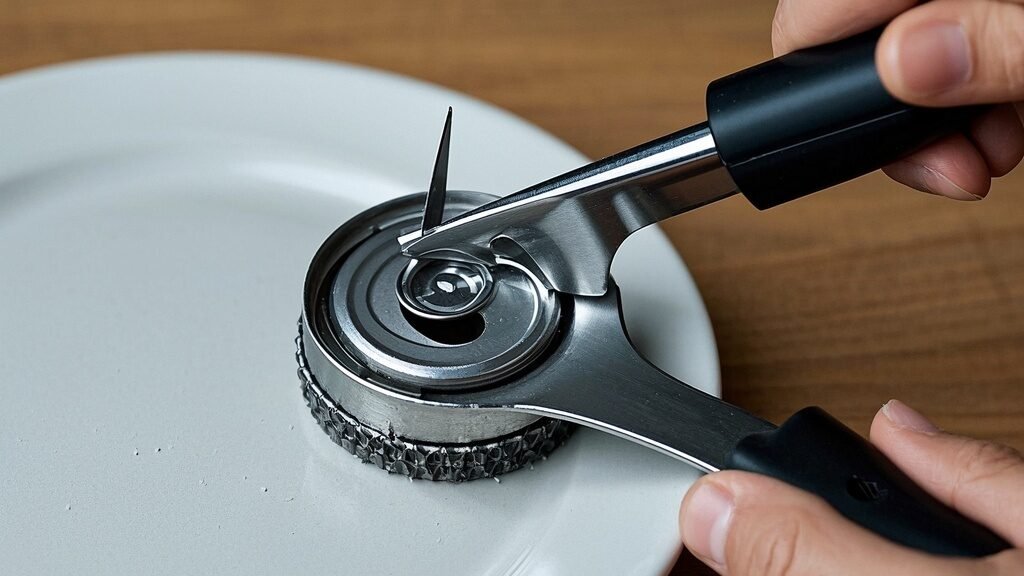
Key Safety Mechanisms to Look For: The best models feature automatic magnetic lid lifters. This ingenious component securely grabs the cut lid and holds it, eliminating the need for seniors to pry up a sharp, jagged edge with their fingers—a common source of cuts. Look for openers with large, easy-to-turn knobs or levers that require minimal force and no pinching. A stable, non-slip base is critical to prevent the opener from “walking” or tipping during use, which could lead to spills or loss of balance. Finally, consider designs that leave a smooth, rolled edge on the can itself, as opposed to a sharp, serrated one, protecting hands during cleanup.
Beyond the Cut: Holistic Safety. Safety also encompasses ease of use. A heavy, complicated opener is a drop hazard. Electric models with simple one-touch buttons reduce physical strain but must have clear, intuitive controls. For those with vision changes, high-contrast colors and tactile indicators are invaluable. The goal is a tool that minimizes every risk, allowing the user to focus on the meal, not the mechanics.
Choosing for Weak Hands, Arthritis, and Limited Mobility
Arthritis pain and weakened hands demand specific engineering. The ideal opener acts as an extension of the user’s capability, compensating for their limitations.
Ergonomics is Everything. Seek out openers with oversized, softly-contoured handles. These distribute pressure across the palm rather than concentrating it on painful finger joints. Lever-style or side-mounted openers are often superior to traditional knob-top models because they allow the user to employ the stronger muscles of the forearm and leverage body weight, rather than relying solely on finger and wrist strength. The turning motion should be smooth and require less than 2-3 pounds of force.
Practical Comparison: Manual vs. Electric. High-quality manual openers with geared mechanisms can be excellent, offering control and avoiding the need for batteries or cords. However, for significant arthritis or very weak hands, a senior safety can opener that is electric is often the best choice. A good electric model does all the work with the press of a button, requiring zero grip or twist. The trade-off is ensuring it’s lightweight enough to handle easily and has a battery life or cord length that suits the user’s kitchen setup.
Top Considerations and Practical Tips for 2025
Selecting the perfect tool involves more than just product features. It’s about matching the tool to the individual’s unique environment and abilities.
Try Before You Buy (If Possible). If shopping in person, simulate the motion. Does the handle feel comfortable? Is the action smooth? For online shopping, carefully review video demonstrations and pay close attention to the size and operation mechanics. Check the weight; a lightweight opener is easier and safer to retrieve from a drawer.
Setup and Daily Safety Tips. Always place the can opener on a clean, dry, and stable counter surface. Ensure the cutting mechanism is clean and free of food debris to prevent jamming. For electric models, keep the cord or charging base out of walkways to prevent tripping. Establish a routine of checking that the lid is magnetically secured before lifting the opener away from the can. Pairing your new opener with a lightweight, easy-grip can for practice can build confidence.
Recommendations: Types of Safety Can Openers
While specific models evolve, the most effective types for seniors remain consistent, each with distinct advantages.
1. Automatic Electric Openers: The gold standard for maximum assistance. These openers clamp onto the can, cut the lid automatically, and lift it magnetically. They require only the push of a button, making them ideal for severe arthritis or very weak hands. The primary consideration is power source (battery vs. wall plug).
2. Lever-Style (“Smooth Edge”) Manual Openers: These are a fantastic manual alternative. By using a long lever, they provide significant mechanical advantage, reducing required force by up to 70%. They roll the lid off, leaving a perfectly smooth edge on both the lid and the can, which is arguably the safest cut. They do require more steps and some hand coordination.
3. Ergonomically-Designed Manual Openers: These feature oversized, sculpted handles and highly efficient gearing. They look somewhat traditional but are engineered to minimize effort. They are a great, durable, and cordless option for those with mild to moderate hand discomfort.
Who Should Consider a Safety Can Opener? If you or a loved one experiences hand pain, stiffness, tremors, or a weak grip when performing daily tasks, investing in a specialized safety can opener is a wise step toward safer, more independent living. It’s a small tool that makes a profound difference. Find the perfect can opener for your needs below!
Related Guides:
- Best Rated Can Openers 2026 (All Categories)
- Best Can Opener for Seniors with Weak Grip (2026 Top Picks)
- Best Can Opener for Arthritis Patients (2026 Pain-Free Picks)
- Best Can Opener for Stroke Survivors (2026 Easy-Use Picks)
- Best Electric Can Opener (2026 Top-Rated Automatic Models)
- Best Hands-Free Can Opener (2026 No-Grip Effort Models)
- Best Manual Can Opener (2026 Ergonomic Low-Effort Models)
- Best Sharp-Edge-Free Can Opener (2026 Safe No-Cut Models)