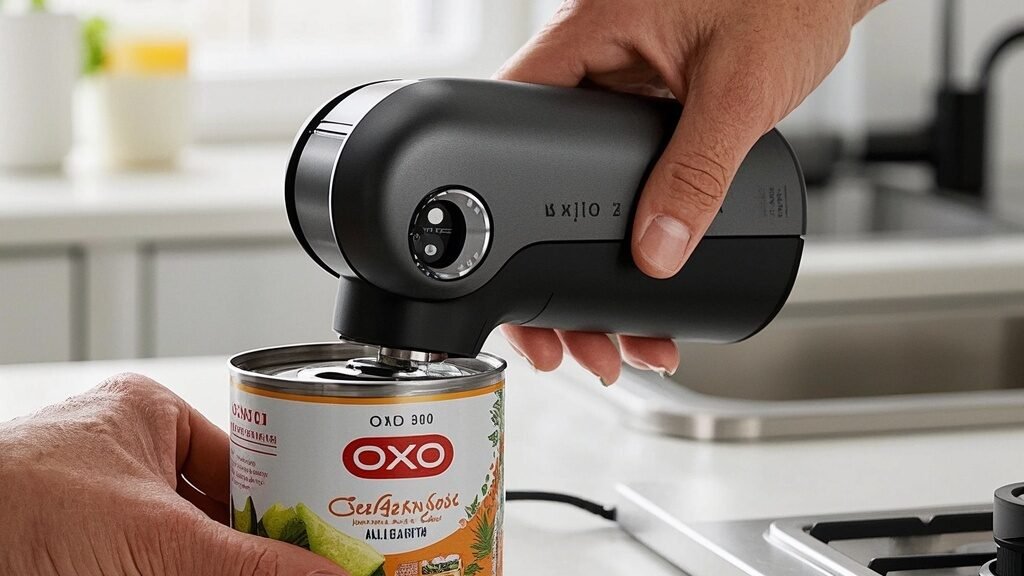
What Safety Can Opener Is Best for Limited Hand Strength?
Opening a simple can of soup shouldn’t feel like a workout or a safety hazard. For millions of people with arthritis, weakened grip strength, or limited hand mobility, the traditional manual can opener is a source of frustration and even pain. The twisting, squeezing, and sharp edges can turn a basic kitchen task into a daunting challenge. This is where a thoughtfully designed safety can opener becomes more than just a tool—it’s a key to maintaining independence and confidence in the kitchen. By prioritizing ease of use and eliminating common pain points, the right opener can transform meal prep from a chore back into a simple, safe pleasure.
Key Features to Look for in a Safety Can Opener
Not all openers marketed as “easy” are created equal. When searching for the best can opener for seniors or anyone with limited hand strength, specific design elements are non-negotiable. These features work together to reduce strain and maximize safety.
Ergonomic Design and Operation
Look for large, soft-grip handles that distribute pressure across your palm instead of concentrating it on your fingers and joints. The mechanism should require minimal force; a smooth, continuous turning motion is far better than repetitive squeezing. Some models use a side-cutting mechanism or a gentle rocking motion, which can be significantly easier on the wrists than the traditional twist-and-pierce action.
Safety-First Functionality
A true safety can opener leaves no sharp edges. It should cut the lid from the side, leaving a smooth, safe rim on both the can and the lid itself. This eliminates the risk of cuts when handling or disposing of the lid. Automatic magnet features that lift and hold the lid after cutting are invaluable, as they prevent you from having to pry off a sharp lid with your fingers.
Top Types of Can Openers for Weak Hands
Understanding the different technologies available helps you match the tool to your specific needs and abilities. Each type offers distinct advantages for users seeking a pain-free can opener experience.
Electric Can Openers
These are often the top recommendation for maximum ease. You simply position the can and press a button; the machine does all the work. This is ideal for very limited hand strength or severe arthritis, as it requires almost zero grip or turning force. The best models are hands-free, have automatic shut-off, and include a magnetic lid lifter. The trade-off is that they require counter space and an electrical outlet.
Ergonomic Manual Openers
For those who prefer a non-electric option, modern manual designs have come a long way. Look for openers with extra-long, padded handles that provide superior leverage. Some feature a “smooth-edge” cutting system that rolls the lid off without leaving sharp metal. Others have a large, easy-to-turn knob instead of a small, twistable handle. These require some turning motion but are engineered to make it as effortless as possible.
Adaptive and Assistive Tools
This category includes openers that use different mechanical principles. Wall-mounted openers provide stability and leverage. “Step-and-press” openers use body weight or arm strength instead of hand grip. While less common, they can be excellent solutions for specific mobility challenges, offering an alternative path to independence in the kitchen.
Practical Tips for Safe and Easy Use
Choosing the right tool is the first step; using it effectively is the next. A few simple practices can enhance safety and extend the life of your can opener.
Setup and Stabilization
Always work on a clean, stable, and dry surface. If you have limited dexterity, consider using a non-slip mat underneath the can to prevent it from spinning. For manual openers, ensure the cutting wheel is securely engaged on the can’s rim before you start turning. A firm initial setup prevents slipping and makes the entire process smoother.
Maintenance for Longevity
Keep the cutting wheel clean and free of food debris, which can hinder performance. Most models are not submersible, so wipe them down with a damp cloth. Periodically check for dullness; a blade that struggles to cut will require more force from you. Following the manufacturer’s care instructions ensures your can opener for weak hands remains reliable and easy to use for years.
Safety Considerations for Elderly Users
Beyond the opener itself, overall kitchen safety is paramount. Creating an environment that supports independence while minimizing risk is key.
Be mindful of can weight and contents. A large, full can of tomatoes is heavy and can be awkward to handle. When possible, opt for smaller can sizes or ask for assistance with heavier items. After opening, promptly transfer contents to a secure, non-breakable container if you don’t use it all. This prevents spills and avoids the hazard of storing food in a sharp-edged can. The ultimate goal of a safety can opener is to empower you, and pairing it with thoughtful habits creates a truly safe kitchen workspace.
Who Should Consider a Safety Can Opener?
If you or a loved one experiences pain, trembling, or weakness when using a standard can opener, it’s time for a change. A dedicated safety opener is essential for individuals with arthritis, Parkinson’s, post-stroke recovery, or general age-related decline in grip strength. It’s a small investment that pays dividends in safety, dignity, and culinary independence. Find the perfect can opener for your needs below!
Related Guides:
- Best Rated Can Openers 2026 (All Categories)
- Best Can Opener for Seniors with Weak Grip (2026 Top Picks)
- Best Can Opener for Arthritis Patients (2026 Pain-Free Picks)
- Best Can Opener for Stroke Survivors (2026 Easy-Use Picks)
- Best Electric Can Opener (2026 Top-Rated Automatic Models)
- Best Hands-Free Can Opener (2026 No-Grip Effort Models)
- Best Manual Can Opener (2026 Ergonomic Low-Effort Models)
- Best Sharp-Edge-Free Can Opener (2026 Safe No-Cut Models)