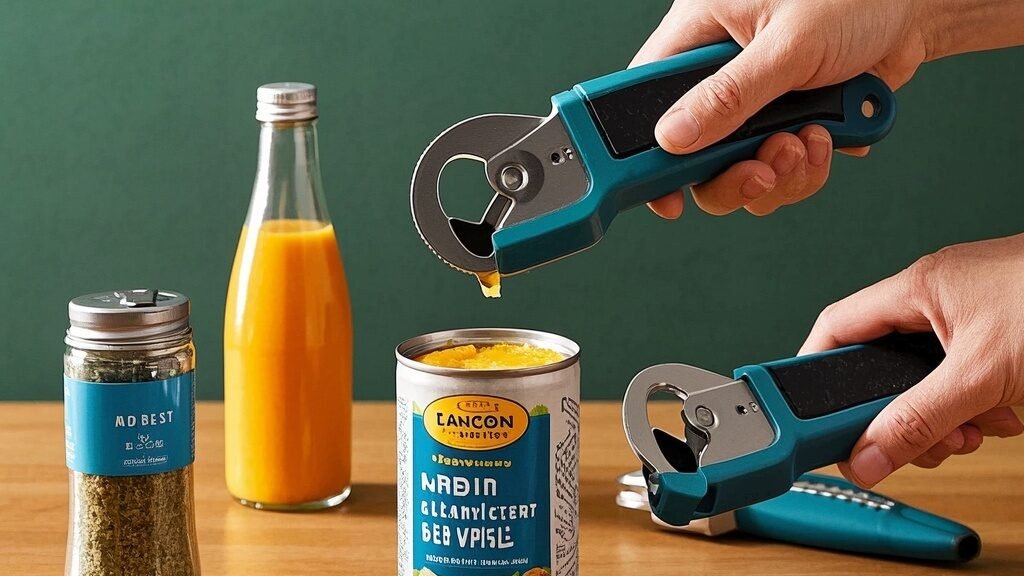
What Is Best Safety Can Opener for Seniors with Arthritis?
Opening a simple can of soup shouldn’t feel like a daunting task. Yet, for many seniors, particularly those managing arthritis, weak grip strength, or limited hand mobility, the kitchen can become a place of unexpected challenges. The familiar struggle with a manual can opener—twisting, pressing, and wrestling with a slippery lid—can turn a moment of independence into one of frustration and even pain. The good news is that a new generation of kitchen tools is designed specifically to restore confidence and safety. Finding the best safety can opener for seniors is about more than just convenience; it’s a key to maintaining autonomy in daily life.
Key Features of a Senior-Friendly Safety Can Opener
Not all can openers are created equal, especially when ease of use and safety are top priorities. When shopping for a can opener for weak hands, look for these essential features that directly address common physical limitations.
Ergonomic Design and Pain-Free Operation
This is paramount. Look for large, soft-grip handles that distribute pressure across the palm, not just the fingers. These handles require minimal squeezing force. Some models feature oversized, loop-style handles that allow the user to push down with the heel of their hand or use an underhand grip, bypassing painful finger joints entirely. The goal is to eliminate the pinching and twisting motions that aggravate arthritis.
Safety and Stability Features
A safe can opener prevents accidents. The best models have a magnetic lid lifter that automatically grabs and holds the cut lid, so you never have to touch a sharp, jagged edge. A stable, non-slip base is crucial to prevent the can from spinning or the opener from sliding during use. Some electric models lock the can in place automatically. Look for designs that keep hands and fingers well away from the cutting path at all times.
Top Can Opener Types for Limited Mobility
Understanding the different mechanisms available helps you choose the right tool for specific needs. Each type offers distinct advantages for users with arthritis or reduced strength.
Electric Can Openers: Effortless Power
These are often the top recommendation for maximum ease. With a simple press of a button or lever, a motor does all the work. There’s no turning, twisting, or gripping required. Most feature hands-free operation, where the opener clamps onto the can and rotates it automatically. The primary considerations are that they require counter space and an electrical outlet, and they tend to be larger than manual options.
Side-Cutting Manual Openers: Smooth and Stable
These manual openers cut from the side of the can’s rim, leaving a smooth, safe edge on both the lid and the can. They typically operate with a large, easy-turn knob or a rocking motion, which can be gentler on wrists than the traditional turning motion. They provide excellent stability as they clamp onto the side of the can, making them a superb safety can opener choice that still offers manual control without the sharp edges.
Adaptive and Lever-Style Openers
For those with very limited hand function, innovative designs like one-touch or lever-style openers can be revolutionary. These often work by pressing a large lever down, using body weight or arm strength instead of finger dexterity. They are simple, mechanical, and require no electricity, making them a reliable and empowering tool for maintaining kitchen independence.
Practical Tips for Safe and Easy Use
Choosing the right tool is the first step; using it effectively is the next. Here are practical tips to ensure a safe and pain-free experience every time.
Setup and Positioning for Success
Always use your can opener on a clean, dry, and stable surface. If standing is difficult, consider a model that can be used comfortably while seated at a table. For electric models, ensure the cord is tucked away to prevent tripping. Position the can so the opener attaches securely before starting. Taking an extra moment for proper setup prevents slips and misfires.
Maintenance for Longevity and Safety
A clean can opener is a safe and effective one. After each use, wipe the cutting wheel and any food contact points. For electric models, always unplug before cleaning. Periodically check that the cutting wheel is sharp and not rusted; a dull wheel requires more force and can crush a can rather than cut it cleanly. Most quality safety openers have dishwasher-safe parts for easy cleaning.
Important Safety Considerations
Beyond the opener itself, general kitchen safety is vital. Always inspect cans for dents, bulges, or severe rust before opening, as these can indicate spoilage. After opening, promptly transfer unused contents to a sealed container. Store your can opener within easy reach, not in a cluttered drawer where you might brush against the blade while searching for it. For seniors with significant dexterity challenges, having a family member or caregiver demonstrate the opener’s use can build confidence.
Who Should Consider a Safety Can Opener for Seniors?
If you or a loved one experiences hand pain, stiffness, tremors, or simply finds standard can openers difficult to operate, investing in a specialized safety can opener is a wise decision. It’s a small tool that makes a profound difference, turning a daily hurdle into a simple task and preserving the joy and independence of preparing one’s own meals. Find the perfect can opener for your needs below!
Related Guides:
- Best Rated Can Openers 2026 (All Categories)
- Best Can Opener for Seniors with Weak Grip (2026 Top Picks)
- Best Can Opener for Arthritis Patients (2026 Pain-Free Picks)
- Best Can Opener for Stroke Survivors (2026 Easy-Use Picks)
- Best Electric Can Opener (2026 Top-Rated Automatic Models)
- Best Hands-Free Can Opener (2026 No-Grip Effort Models)
- Best Manual Can Opener (2026 Ergonomic Low-Effort Models)
- Best Sharp-Edge-Free Can Opener (2026 Safe No-Cut Models)