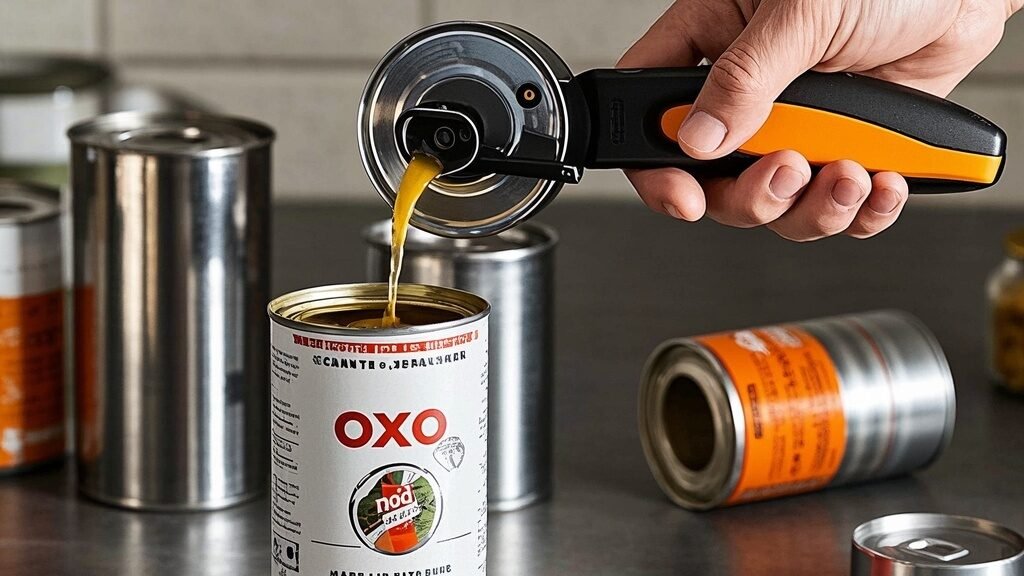
What Is Best Safety Can Opener for Weak Wrists?
Opening a simple can of soup shouldn’t feel like a workout or a hazard. Yet, for millions of Americans with arthritis, weakened grip strength, or conditions like Parkinson’s, the traditional manual can opener is a source of frustration, pain, and even danger. The struggle with slippery handles and forceful twisting can lead to dropped cans, spills, and strained joints. The kitchen, a place of independence and nourishment, suddenly presents an obstacle.
This is where the right safety can opener becomes more than just a tool—it’s a key to maintaining autonomy. Modern designs specifically for weak wrists and limited hand mobility have transformed this basic task. They prioritize stability, leverage, and smooth operation to eliminate strain and risk. Let’s explore how these innovative openers work and what features truly make one the best choice for safety and ease.
Essential Features of a Senior-Friendly Safety Can Opener
Not all can openers labeled “easy” are created equal for those with physical limitations. The best models address specific challenges through thoughtful engineering.
Stability and Hands-Free Operation
The most critical safety feature is a design that secures the can itself. Openers with strong magnetic lids or automatic lid-lifters are paramount. They hold the cut lid firmly, preventing sharp edges from falling into the food or requiring you to pry it out with your fingers. A stable, non-slip base that clamps or grips the counter is also vital to prevent the entire unit from sliding during use, which is a common cause of spills and accidents.
Ergonomic Design for Pain-Free Use
Look for large, soft-grip handles that distribute pressure across the palm rather than concentrating it on the fingers. These should require minimal pinching or squeezing force. The turning mechanism should provide significant mechanical advantage—think long, easy-to-turn levers or large dials instead of small, knurled knobs. The goal is to maximize leverage, allowing the wrist and forearm to do the work instead of demanding tight, painful grips from arthritic fingers.
Top Can Opener Types for Weak Hands and Limited Mobility
Understanding the different mechanisms available helps you match the tool to the user’s specific abilities.
Electric Can Openers: The Ultimate in Ease
For those with very limited hand strength or severe arthritis, a high-quality electric can opener is often the top recommendation. Operation is typically one-handed: you place the can under the guide, press a lever, and the machine does the rest, cleanly cutting the lid and often magnetically holding it. The primary considerations are a lightweight, easy-to-press activation button and a design that’s easy to clean. Ensure it has a cord long enough to reach an outlet without creating a tripping hazard.
Side-Cutting or “Smooth Edge” Manual Openers
These are excellent manual alternatives. Instead of cutting from the top, they pierce the side of the can’s rim and roll it open, leaving a perfectly smooth edge on both the lid and the can. This eliminates sharp edges entirely, a major safety win. They usually feature large, turning dials that are easier on the joints than small handles. While they require some turning effort, the motion is often smoother and requires less downward pressure than traditional openers.
Lever-Style or “Butterfly” Openers
These manual openers use a long lever to generate significant cutting force with minimal hand strength. You clamp the opener onto the can, then simply squeeze the long handles together. The mechanical advantage is substantial, making them a good choice for those with weak grip but who still have enough mobility to operate two handles. Look for models with padded, non-slip grips.
Practical Tips and Safety Considerations for Elderly Users
Choosing the right opener is the first step; using it safely and effectively is just as important.
Setup and Daily Use Tips
Always use the can opener on a clean, dry, and stable surface. If the model has a clamp, ensure it’s securely fastened to the counter edge. For electric models, keep the cord tucked away. When opening, center the cutting mechanism on the can’s rim for a smooth, even cut. After opening, if the lid isn’t magnetically held, use a utensil—never your fingers—to lift it out. Immediately rinse the cutter mechanism to prevent food buildup, which can make future use harder.
Maintaining Independence Safely
Consider keeping a second, simple manual opener as a backup in case of a power outage. Store your primary can opener in an easily accessible place, not in a cluttered drawer. If hand weakness is progressive, opting for an electric model proactively can prevent future frustration and maintain kitchen confidence. Remember, the right tool isn’t about giving in to limitations; it’s about strategically overcoming them to preserve the joy and independence of preparing your own meals.
Who Should Consider a Safety Can Opener for Weak Wrists?
If you or a loved one experiences pain, shaking, or fatigue when using standard kitchen tools, or if the thought of a sharp lid causes anxiety, it’s time for a change. A dedicated safety can opener is a small investment that pays massive dividends in safety, dignity, and culinary independence. Find the perfect can opener for your needs below and reclaim the simplicity of your kitchen routine!
Related Guides:
- Best Rated Can Openers 2026 (All Categories)
- Best Can Opener for Seniors with Weak Grip (2026 Top Picks)
- Best Can Opener for Arthritis Patients (2026 Pain-Free Picks)
- Best Can Opener for Stroke Survivors (2026 Easy-Use Picks)
- Best Electric Can Opener (2026 Top-Rated Automatic Models)
- Best Hands-Free Can Opener (2026 No-Grip Effort Models)
- Best Manual Can Opener (2026 Ergonomic Low-Effort Models)
- Best Sharp-Edge-Free Can Opener (2026 Safe No-Cut Models)