Can a portable travel can opener open all can sizes?
Picture this: you’re on a remote camping trip, miles from the nearest store, or settled into a cozy vacation rental with a kitchen that has… almost everything. You reach for that can of hearty stew or beans, ready for a quick meal, only to realize there’s no can opener in sight. It’s a universal moment of frustration that has launched a thousand items into shopping carts. Portable travel can openers promise a solution, packing the utility of a kitchen essential into a pocket-sized form. But a critical question remains for any savvy traveler or outdoor enthusiast: can these compact heroes truly handle the wide variety of can sizes and types we encounter, from a standard soup can to a petite tuna tin or a large can of tomatoes?
The short answer is: it depends heavily on the type of portable opener you choose. While the ideal of a single, universal tool is appealing, the reality involves trade-offs between size, mechanism, and capability. Understanding these differences is key to ensuring your mini-tool doesn’t let you down when you need it most.
The Mechanics Behind the Miniature Magic
To understand their limitations, it helps to know how they work. Most portable can openers fall into two main categories: manual folding models (like the classic P38 military-style opener or small Japanese-made designs) and compact electric/battery-operated versions.
Manual travel openers, such as the stainless steel Japanese manual opener or the military-style P38, typically work via a punching or piercing mechanism. They are simple, durable, and require no power. You hook a small cutting wheel or blade onto the rim of the can and lever it around, punching a series of small holes or cutting the lid along the inner rim. Their strength lies in sheer simplicity and reliability, but the cutting path is narrow and controlled by your hand, which can struggle with very large diameters or unusually thick rims.
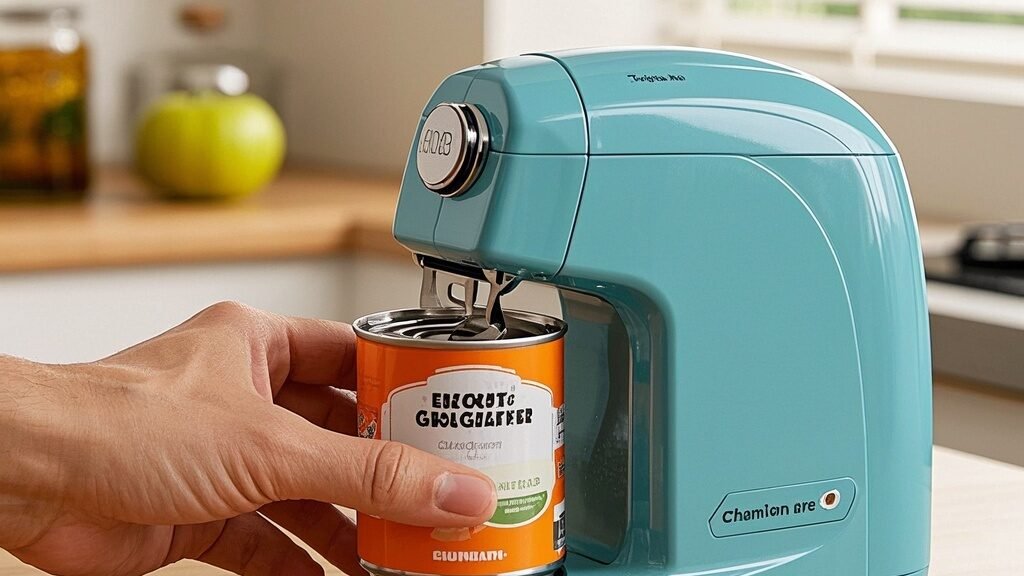
Compact electric openers, like some one-touch kitchen models marketed for travel, use a motor to drive a cutting wheel around the can’s rim automatically. They are often advertised as opening “almost most sizes” by using an adjustable magnetic head or a wide gear range to accommodate different can diameters. In testing, these can handle standard and many large sizes with ease, as the motor provides consistent force. However, their bulkier size (needing to house batteries and mechanics) can contradict the “ultra-portable” ideal, and they may fail with non-standard, extremely thick, or oddly shaped cans.
Where Portable Openers Excel and Where They Struggle
In practical use, portable openers are champions of convenience for standard-sized cans. The small manual openers are perfect for classic 12-ounce soda cans, standard 15-ounce vegetable or soup cans, and smaller tuna or cat food tins. Their compact size (some as small as 2.5″x1.5″) makes them indispensable for backpacks, glove compartments, and picnic baskets. Brands highlight their stainless steel construction for rust resistance, crucial for outdoor use.
However, “all can sizes” is a promise that often meets its limits. Challenges arise with:
* Very Large or Wide Cans: Think institutional-sized cans of coffee or tomatoes. The leverage required for a manual opener can be immense and uncomfortable, and the cutting arc of a small electric model might not complete the full circumference smoothly.
* Cans with Unusual Rim Designs: Some cans have reinforced, rolled, or specially shaped rims that a small cutting wheel cannot easily hook onto or penetrate.
* Extremely Thin or Thick Metal: Cheap, flimsy metal can bend and crumple under a piercing opener, while very thick steel (like in some specialty food or survival cans) can simply be too hard for a small tool to puncture effectively.
As noted in product descriptions, many manufacturers cautiously claim compatibility with “almost most” sizes, acknowledging there are outliers.
Choosing the Right Tool for Your Needs
Your choice should hinge on your typical use case. For the ultralight backpacker or urban traveler who occasionally needs to open a standard can, a simple, reliable manual opener like a stainless steel P38 or a compact folding model is unbeatable. It’s foolproof, lasts forever, and takes up negligible space.
For those who value convenience above minimal size—such as in an RV, a vacation home, or for seniors or individuals with hand strength issues like arthritis—a compact battery-operated electric opener can be a game-changer. It removes the physical effort and provides a smooth, safe edge. Just be prepared for it to be more of a “portable kitchen gadget” than a “pocket survival tool,” and always keep spare batteries on hand.
Who Should Consider a Portable Travel Can Opener?
Ultimately, a portable travel can opener is a highly practical tool for a wide range of people, but with managed expectations. It is ideal for: frequent travelers and campers who need meal flexibility; individuals preparing emergency kits where space is premium; seniors or anyone with limited grip strength who might benefit from an electric option at their second home; and even urban dwellers in poorly equipped rental apartments.
While no single portable model can *guarantee* opening every single can size ever produced—especially obscure or industrial designs—the best ones on the market today successfully handle the vast majority of cans you’ll find in a grocery store or pantry. The key is matching the tool’s design to your most common scenarios. By doing so, you transform a potential moment of frustration into a simple, solved problem, ensuring your next adventure or quick meal goes smoothly.
Find the perfect can opener for your travel and kitchen needs below
Related Guides:
- Best Rated Can Openers 2026 (All Categories)
- Best Can Opener for Seniors with Weak Grip (2026 Top Picks)
- Best Can Opener for Arthritis Patients (2026 Pain-Free Picks)
- Best Can Opener for Stroke Survivors (2026 Easy-Use Picks)
- Best Electric Can Opener (2026 Top-Rated Automatic Models)
- Best Hands-Free Can Opener (2026 No-Grip Effort Models)
- Best Manual Can Opener (2026 Ergonomic Low-Effort Models)
- Best Sharp-Edge-Free Can Opener (2026 Safe No-Cut Models)