Can Weak Hands Open Cans Without Assistance?
Opening a simple can of soup can feel like a monumental task when you’re dealing with arthritis, weak grip strength, or limited hand mobility. The frustration of a slippery manual opener or the sharp edges of a traditional can can turn a basic kitchen chore into a source of anxiety and even risk. But here’s the empowering truth: with the right tools, opening cans independently is not only possible, it can be safe, effortless, and pain-free. Modern safety can openers are specifically engineered to restore confidence and autonomy in the kitchen for seniors and anyone with hand strength challenges.
Understanding the Challenges: Why Standard Openers Fail
Traditional can openers require a combination of grip strength, wrist rotation, and downward pressure that can be painful or impossible for many. Arthritis inflames the joints, making twisting motions agonizing. Conditions like Parkinson’s or post-stroke weakness can reduce coordination and stability. Even general age-related decline in muscle mass can make a simple task surprisingly difficult. The risks go beyond frustration; slippery handles can lead to cuts, and unstable cans can spill their contents. Recognizing these challenges is the first step toward finding a solution that prioritizes safety and ease of use above all else.
Key Features of a Senior-Friendly Can Opener
When shopping for a can opener suitable for weak hands, look for these non-negotiable features that transform the experience from a struggle to a simple press of a button or turn of a lever.
Ergonomic and Oversized Handles
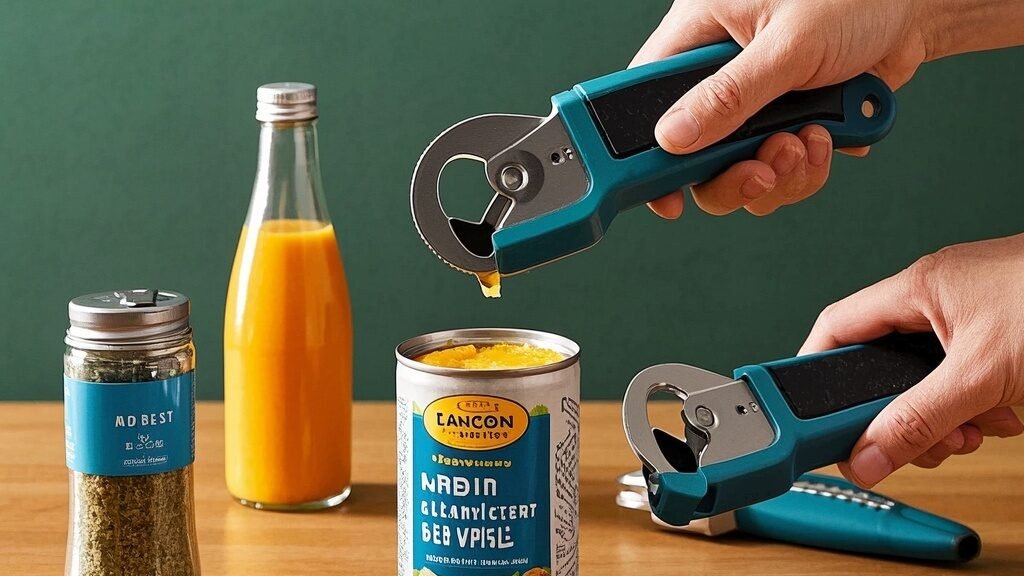
Large, soft-grip handles distribute pressure across the palm instead of concentrating it on the fingers. This design minimizes the force needed and provides a secure, non-slip hold even with a weak grip.
Smooth, Effortless Operation
The best models feature high-gear ratios or powerful motors that do 90% of the work for you. You should only need to guide the opener, not muscle it around the rim. Look for openers that advertise “one-handed operation” or “low effort.”
Safety-First Design
This is paramount. A true safety can opener for seniors leaves a smooth, rolled edge on the can lid and the rim itself, completely eliminating dangerous sharp edges. Some models also feature magnetic lid lifters to retrieve the lid without touching it.
Top Can Opener Styles for Limited Mobility
Not all openers are created equal. Here’s a breakdown of the most accessible types, from our testing and user reviews.
Electric Can Openers: The Ultimate in Ease
Simply position the opener on the can, press a lever or button, and it does the rest automatically. They require almost zero grip strength or manual dexterity. The main drawback is that they need counter space and an electrical outlet. They are ideal for individuals with severe arthritis or very weak hands.
Side-Cutting or “Smooth Edge” Manual Openers
These are the gold standard for manual can openers for weak hands. They cut the can from the side, under the rim, leaving the famous safe edge. They often have large, turning knobs and stable bases that require minimal downward pressure. They offer independence without needing electricity.
Lever-Style or “Punch” Openers
These openers use a simple pushing or rocking lever motion to puncture and cut the lid. They can be very effective as they utilize larger arm muscles instead of small hand muscles. However, they may leave a slightly sharper edge than side-cutting models and require a bit more initial force.
Practical Tips for Safe and Independent Can Opening
Choosing the right opener is half the battle. Implementing these practical strategies can make the process even smoother and safer.
Always ensure the can and opener are on a stable, non-slip surface. Use a damp cloth under the can to prevent it from spinning. If using a manual opener, secure the can against a wall or in a corner of the counter for extra stability. For electric models, make sure the cutting mechanism is clean and free of food debris to ensure proper operation. Most importantly, don’t force an opener that isn’t catching correctly; realign it and try again. For individuals with significant dexterity issues, consider keeping a dedicated pair of kitchen shears with cushioned handles to open alternative packaging like pouches or cardboard.
Safety Considerations Beyond the Opener
While the right tool is crucial, overall kitchen safety for elderly users involves a holistic approach. Ensure the kitchen is well-lit to see the can and opener clearly. Keep the workspace uncluttered to avoid knocking things over. If weakness or tremors are significant, consider performing the task while seated at a sturdy table for better support. Always inspect cans for damage or bulging before opening. Remember, maintaining independence is the goal, but there’s no shame in asking for help with particularly stubborn packaging or when you’re feeling fatigued.
Who Should Consider a Safety Can Opener?
If you or a loved one experiences pain, shaking, or weakness when using a standard can opener, it’s time for an upgrade. These specialized tools are designed for seniors, individuals with arthritis, carpal tunnel, neuropathy, or anyone recovering from hand or wrist surgery. They are an investment in safety, dignity, and the joy of preparing your own meals without pain or fear. Find the perfect can opener for your needs below and reclaim your kitchen confidence!
Related Guides:
- Best Rated Can Openers 2026 (All Categories)
- Best Can Opener for Seniors with Weak Grip (2026 Top Picks)
- Best Can Opener for Arthritis Patients (2026 Pain-Free Picks)
- Best Can Opener for Stroke Survivors (2026 Easy-Use Picks)
- Best Electric Can Opener (2026 Top-Rated Automatic Models)
- Best Hands-Free Can Opener (2026 No-Grip Effort Models)
- Best Manual Can Opener (2026 Ergonomic Low-Effort Models)
- Best Sharp-Edge-Free Can Opener (2026 Safe No-Cut Models)