Can Safety Can Openers Open All Can Types?
Opening a can should be a simple task, but for millions of Americans with arthritis, weakened grip strength, or limited mobility, it can be a daily source of frustration and even danger. The struggle with a traditional, manual opener can turn a quick meal prep into an ordeal, leading to pain, spills, or worse. This is where the specialized world of safety can openers comes in, promising a safer, easier alternative. But with so many can types lining pantry shelves—from standard soup cans to pull-tab pet food tins—a critical question arises: can these adaptive tools truly handle them all?
Understanding Safety Can Openers: More Than Just a Gadget
Unlike the classic manual opener that requires significant downward pressure and a twisting wrist motion, a true safety can opener is engineered for accessibility. Its primary goal is to eliminate the need for grip strength and fine motor skills, making kitchen independence a reality for seniors and individuals with physical limitations.
Key Design Features for Accessibility
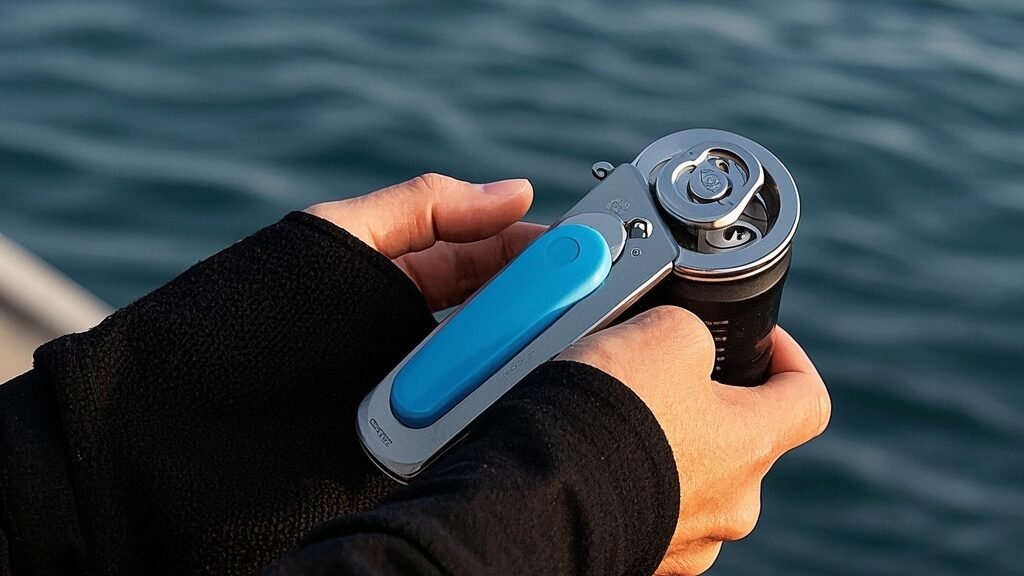
These openers typically feature large, easy-to-turn knobs or levers that utilize gear systems to do the hard work. Many are mounted to a countertop or have a stable, non-slip base, allowing the user to operate them with one hand or even just the palm. The cutting mechanism is often designed to leave a smooth, safe lid edge, preventing sharp metal cuts—a major safety win.
Beyond Standard Cans: The Versatility Question
Most electric and high-quality manual safety openers are champions with standard steel or aluminum cans (like vegetables, soups, and tuna). However, their performance with other types can vary. They generally work well on cans with slightly thicker walls, such as those for coffee or certain fruits. The real limitations often appear with very large institutional-sized cans, which may not fit in the clamping mechanism, or with cans made of unusual materials.
Navigating Different Can Types: A Practical Guide
Not all cans are created equal, and knowing what your safety opener can handle is key to a frustration-free experience. Let’s break down the common types you’ll encounter.
Standard Tinplate and Aluminum Cans
This is the sweet spot for any can opener for seniors. Whether it’s a soup, bean, or vegetable can, a good safety opener should glide around the rim smoothly. Electric models are particularly effective here, requiring only the push of a button.
Pull-Tab and Ring-Top Cans
Here’s an important distinction: safety can openers are not designed for cans that are already partially opened. For cans with a pull-tab (common in ready-to-drink beverages or some pet foods), no opener is needed. For ring-top lids that are still sealed (sometimes found on fruit or nut cans), a safety opener can be used on the outer rim if the ring is too difficult to pull.
Specialty and Odd-Shaped Cans
Challenges may arise with tall, thin cans (like some juice concentrates) or short, wide ones. Always check the opener’s maximum and minimum can height and width specifications. Some advanced safety openers have adjustable or floating cutter heads to accommodate a wider range of shapes.
Choosing and Using a Safety Can Opener for Maximum Independence
Selecting the right tool involves more than just grabbing the first “easy-grip” model you see. Consider these factors to ensure it meets your specific needs for pain-free operation.
Electric vs. Manual: Weighing the Options
Electric openers offer the highest degree of ease—just position the can and press a button. They are ideal for those with very weak hands or severe arthritis. Manual lever-style openers (like side-cutting or swing-away models) require some turning motion but significantly less force than traditional ones. They are often more compact and don’t require an outlet.
Essential Safety and Usage Tips
Always ensure the opener is securely mounted or placed on a stable, dry surface. Position the can squarely in the grip before starting. After opening, use the built-in magnet (if available) to lift the lid away safely, or carefully nudge it off with a utensil—never your fingers. Regularly clean the cutting wheel to prevent food residue buildup, which can hinder performance and hygiene.
Product Features to Look For
When shopping, prioritize models with these features: extra-large, textured dials for easy turning; a powerful magnet to securely hold the lid; an automatic shut-off function (on electric models); and a non-slip base. Brands like OXO Good Grips, Hamilton Beach, and Kuhn Rikon are renowned for their user-centered, accessible designs.
Who Should Consider a Safety Can Opener?
If you or a loved one experiences hand pain, stiffness, tremors, or simply finds standard kitchen tools tiring to use, a safety can opener is a worthwhile investment. It’s more than a convenience; it’s a tool that promotes independence in the kitchen and reduces the risk of accidents. By understanding their capabilities with different can types, you can choose a model that truly liberates your pantry. Find the perfect can opener for your needs below!
Related Guides:
- Best Rated Can Openers 2026 (All Categories)
- Best Can Opener for Seniors with Weak Grip (2026 Top Picks)
- Best Can Opener for Arthritis Patients (2026 Pain-Free Picks)
- Best Can Opener for Stroke Survivors (2026 Easy-Use Picks)
- Best Electric Can Opener (2026 Top-Rated Automatic Models)
- Best Hands-Free Can Opener (2026 No-Grip Effort Models)
- Best Manual Can Opener (2026 Ergonomic Low-Effort Models)
- Best Sharp-Edge-Free Can Opener (2026 Safe No-Cut Models)