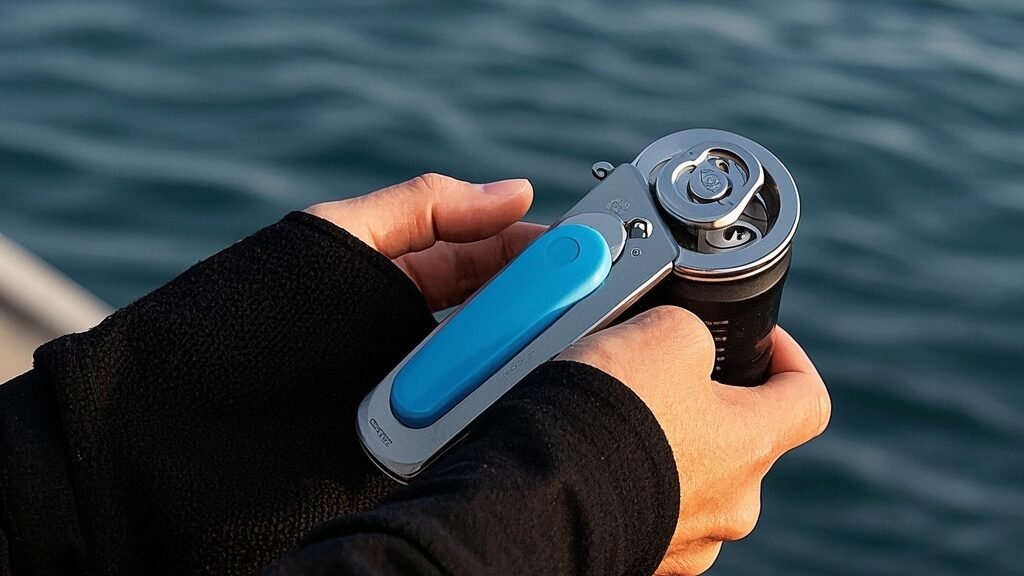
Can Weak Hands Use Hands-Free Can Openers?
Opening a simple can of soup shouldn’t feel like a feat of strength. For millions of adults with arthritis, diminished grip strength, or conditions like Parkinson’s, the traditional manual can opener is a source of frustration and even pain. The twisting motion, the required pressure, and the sharp edges pose real challenges. This is where the innovative world of hands-free can openers enters the kitchen, promising liberation. But the question remains: are these devices truly accessible for those with weak hands and limited mobility, or are they just another gadget? The answer is a resounding yes, but with some crucial considerations.
Understanding the Challenge: Why Traditional Openers Fail
To appreciate the solution, we must first understand the problem. Manual can openers require a specific set of physical actions: a firm, sustained grip to clamp the device onto the can’s rim, followed by a continuous twisting motion of a small knob. For someone with arthritis in their hands or wrists, this combination is often impossible. Weak grip strength means the opener slips, causing frustration. Painful joints make the twisting motion unbearable. Electric openers can help, but many still require users to hold and guide the can, which can be unstable.
The Core Issue: Grip and Torque
The primary barriers are grip strength and the application of rotational force (torque). Conditions like osteoarthritis, rheumatoid arthritis, or post-stroke weakness directly impact these abilities. A device that eliminates the need to generate this force manually becomes not just convenient, but essential for maintaining independence in the kitchen.
How Hands-Free Can Openers Empower Users
True hands-free or automatic can openers are engineered to address these exact pain points. They are designed as countertop appliances where the machine does all the work. The user typically places the can on a magnetic holder or into a cradle, aligns it, and pushes a button. The machine grips, pierces, and rotates the can around its own blade, cutting the lid from the side with no sharp edges exposed. The user never touches the can during the cutting process.
Key Features for Accessibility
When evaluating these openers for someone with weak hands, look for specific features. A large, easy-press button is far better than a small switch. A powerful magnetic lid lifter automatically removes the cut lid, so there’s no need to pry with fingers. A stable, non-slip base is critical for safety. The best models for seniors have minimal parts, are easy to clean, and operate with a clear, simple action: load, press, and retrieve.
Safety and Practical Considerations for Elderly Users
While highly beneficial, introducing any new appliance requires thoughtful integration. Safety is paramount. First, ensure the user has a stable, clear counter space near an outlet. The machine should be placed away from the edge to prevent accidental knocks. Demonstrate the operation clearly, emphasizing that hands must remain clear during the cutting cycle.
Maintenance and Lid Disposal
Even with a magnetic lifter, the cut lid has a sharp inner rim. Instruct users to either dispose of it immediately into a dedicated container or use a tool to handle it. Regularly cleaning the cutting wheel and mechanism (always unplugged) prevents food buildup and ensures smooth operation. For those with significant cognitive or severe dexterity limitations, supervision for the first few uses is a wise safety consideration.
Choosing the Right Model: What to Look For
Not all automatic openers are created equal. For users with very limited hand strength, prioritize models known for reliability and ease of use. Look for openers with a reputation for strong magnets and consistent performance with various can sizes. Read reviews specifically mentioning use by individuals with arthritis. Some models offer additional functions like bottle opening, which can be a bonus but shouldn’t compromise the primary can-opening reliability.
Beyond the Opener: A Holistic Approach to Kitchen Independence
A hands-free can opener is a cornerstone tool, but it’s part of a broader ecosystem for an accessible kitchen. Pair it with other adaptive tools like jar openers, ergonomic utensils, and lightweight pots. Organize cabinets so frequently used, lighter items are within easy reach. This comprehensive approach reduces strain and fosters confidence, allowing individuals to prepare meals safely and with dignity.
Building Confidence Through Repetition
The psychological benefit is as important as the physical one. Successfully completing a task that was once difficult or painful builds immense confidence. This small victory in the kitchen reinforces a sense of capability and autonomy, which is vital for overall well-being.
Who Should Consider a Hands-Free Can Opener?
If you or a loved one experiences hand pain, stiffness, tremors, or simply finds a manual can opener difficult to operate, a high-quality automatic model is a worthwhile investment. It’s a tool that directly addresses a common barrier to cooking, promoting safety, reducing pain, and supporting independent living. Find the perfect can opener for seniors and those with weak hands to reclaim the joy of cooking below!
Related Guides:
- Best Rated Can Openers 2026 (All Categories)
- Best Can Opener for Seniors with Weak Grip (2026 Top Picks)
- Best Can Opener for Arthritis Patients (2026 Pain-Free Picks)
- Best Can Opener for Stroke Survivors (2026 Easy-Use Picks)
- Best Electric Can Opener (2026 Top-Rated Automatic Models)
- Best Hands-Free Can Opener (2026 No-Grip Effort Models)
- Best Manual Can Opener (2026 Ergonomic Low-Effort Models)
- Best Sharp-Edge-Free Can Opener (2026 Safe No-Cut Models)