Category Archives: Product Guide

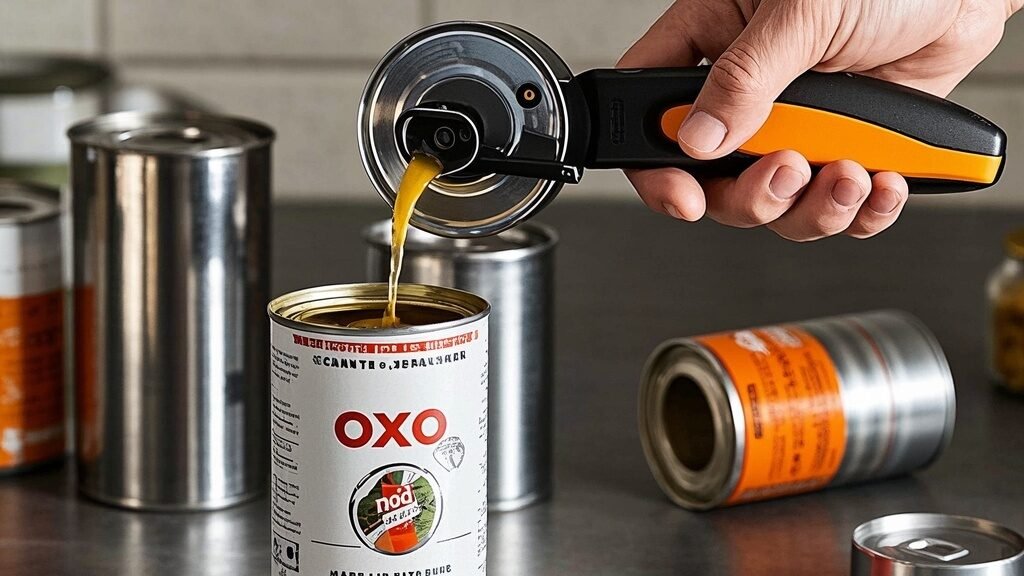
Can automatic can openers open pull-tab cans?

Can automatic can openers open pull-tab cans?

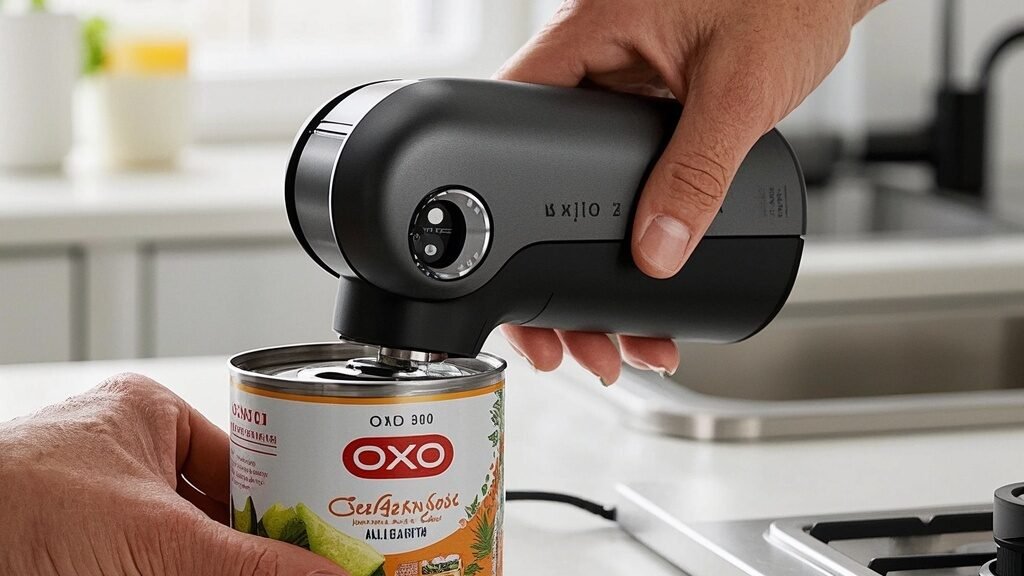
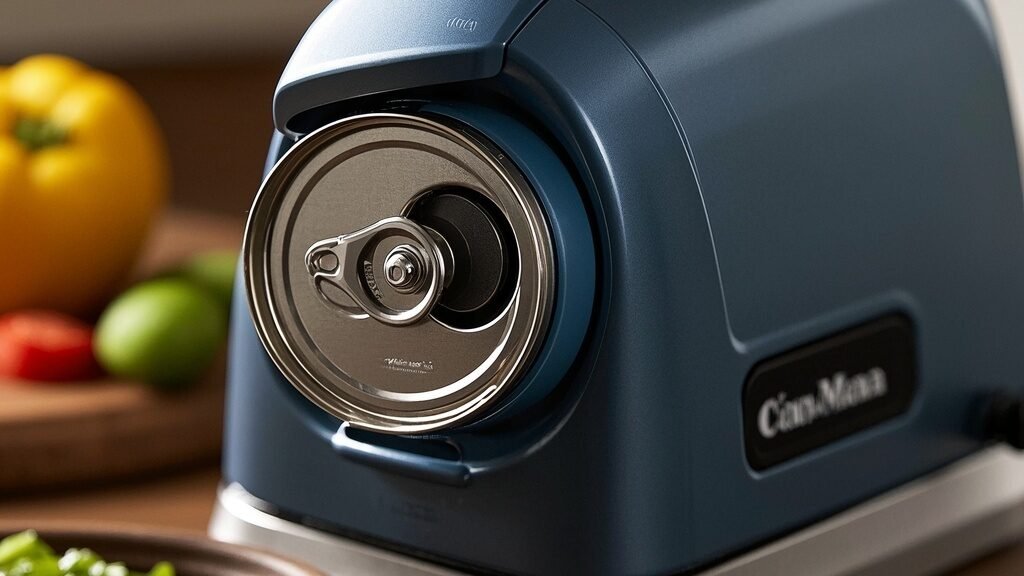
You’ve just unboxed your new automatic can opener, a sleek countertop gadget promising to banish the struggle of manual twisting forever. You picture effortless meal prep, a future free of sore wrists and misaligned cuts. But then, your eyes land on a can of chickpeas with a familiar pull-tab lid sitting in your pantry. A moment of doubt creeps in. This shiny new appliance is designed for traditional, seamless cans, but your kitchen is a mix of old and new packaging. This exact moment of uncertainty is more common than you might think, as modern pantries increasingly stock both types of containers. So, can automatic can openers open pull-tab cans? The straightforward answer is no, and understanding why reveals a lot about kitchen tool design and how to navigate today’s diverse grocery aisles.

The Fundamental Design Mismatch

To understand the limitation, it’s crucial to know how each mechanism works. An automatic (or electric) can opener is engineered for a specific task: it uses a motorized drive to rotate a traditional, seamless metal can against a cutting wheel. The opener’s magnet or gripper clamps onto the can’s rim, and the cutter pierces and travels around the perimeter just below the lid’s sealed edge. A pull-tab can, however, is a completely different beast. These cans, common for products like beans, soups, broths, and some fish, come with a lid that is already partially pre-cut. The pull-tab is attached to a riveted key that, when lifted and pulled, separates a scored metal strip to remove a … Read the rest
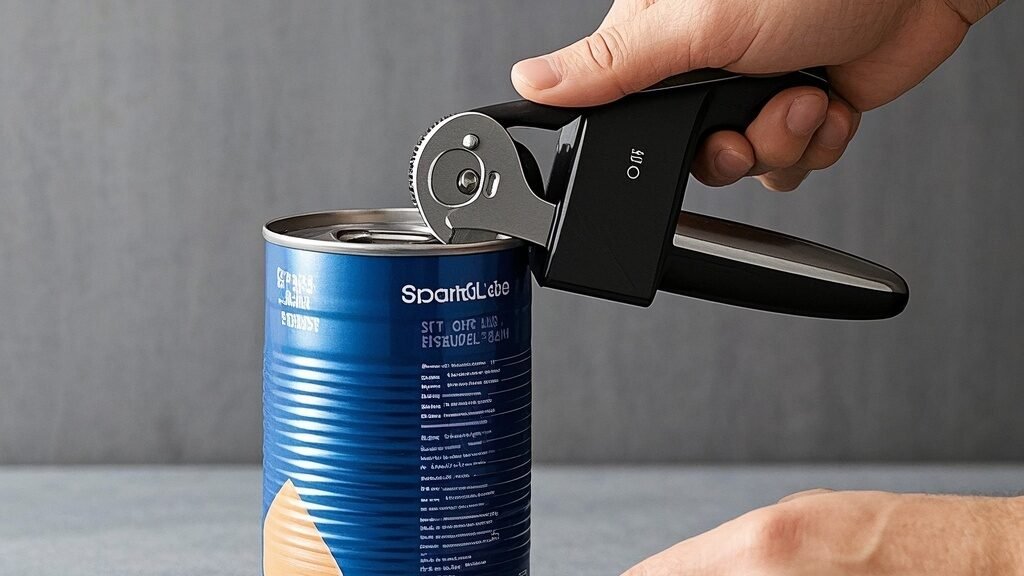
Are battery-operated can openers powerful enough?

Are battery-operated can openers powerful enough?

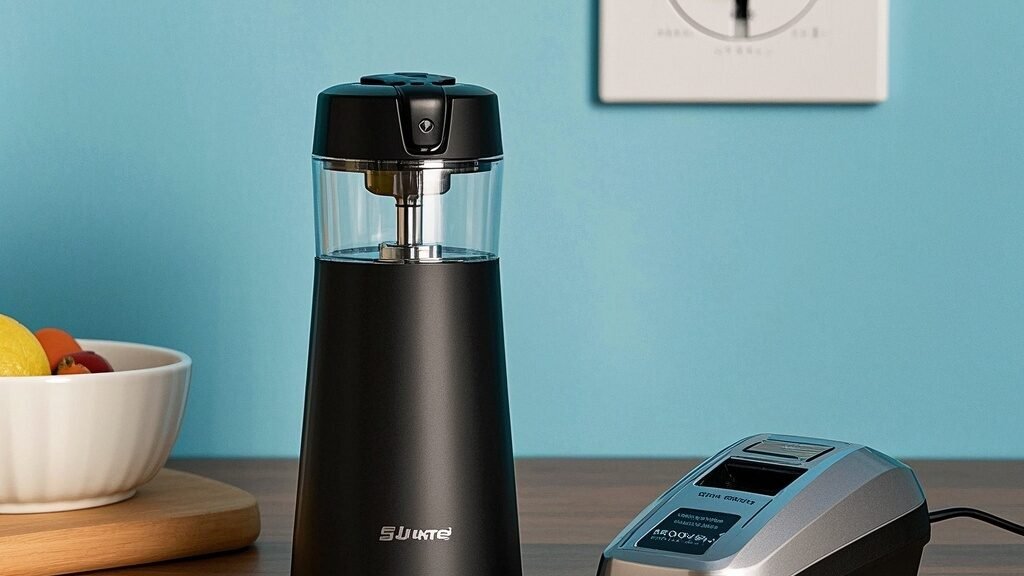
The quiet hum of a motor replaces the familiar, grating scrape of metal on metal. In your hand, a sleek device glides effortlessly around the rim of a stubborn tomato paste can. No straining, no slippery grips, just a soft whirr and a perfect, smooth-edged lid. This is the promise of the modern battery-operated can opener. But in a world of heavy-duty kitchen gadgets, a lingering doubt persists: can something powered by AA batteries truly muster the strength for daily culinary battles? The question of power is central when evaluating battery-operated can openers, moving beyond mere convenience to their core capability.

Performance and Real-World Use
Let’s talk about what “powerful enough” really means in this context. We’re not asking it to chop wood or blend concrete. The power needed is specific: consistent rotational torque to cleanly puncture and sever the sealed rim of various can materials—thin aluminum soup cans, thicker steel bean cans, and the notoriously tough lids of pet food containers. According to manufacturers and our testing, modern motor-driven openers are engineered for this exact task. They use geared motors that convert battery power into focused torque, applying steady, even pressure that human wrists often can’t maintain. The result? They consistently open cans without the jagged edges or struggle associated with dull manual models. For the vast majority of standard cans found in a North American pantry, they are not only powerful enough but often more reliable than a mediocre manual opener. Their limitation isn’t usually a lack of power, but rather … Read the rest

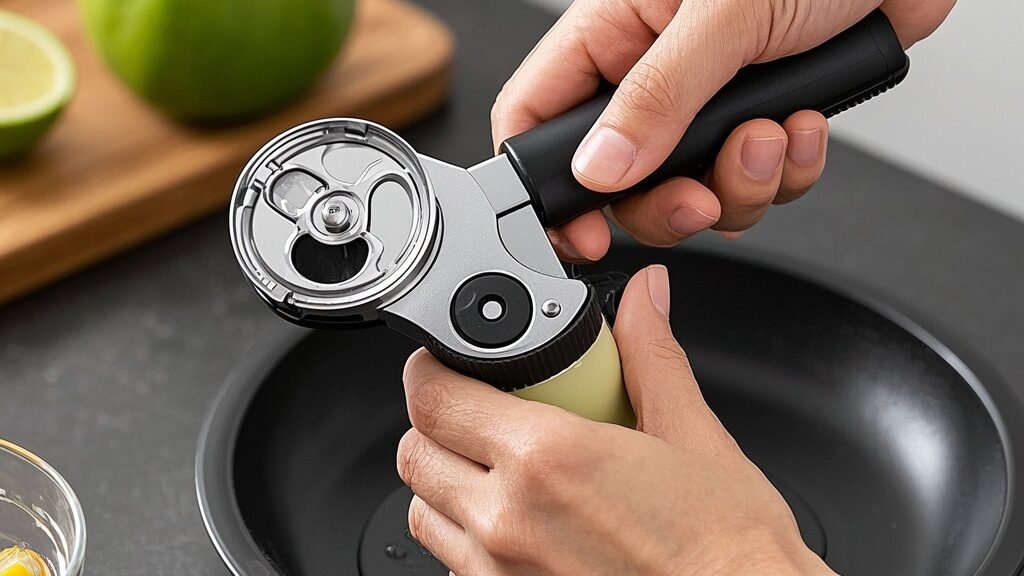
Which automatic can opener opens cans without touching the lid?

Which automatic can opener opens cans without touching the lid?

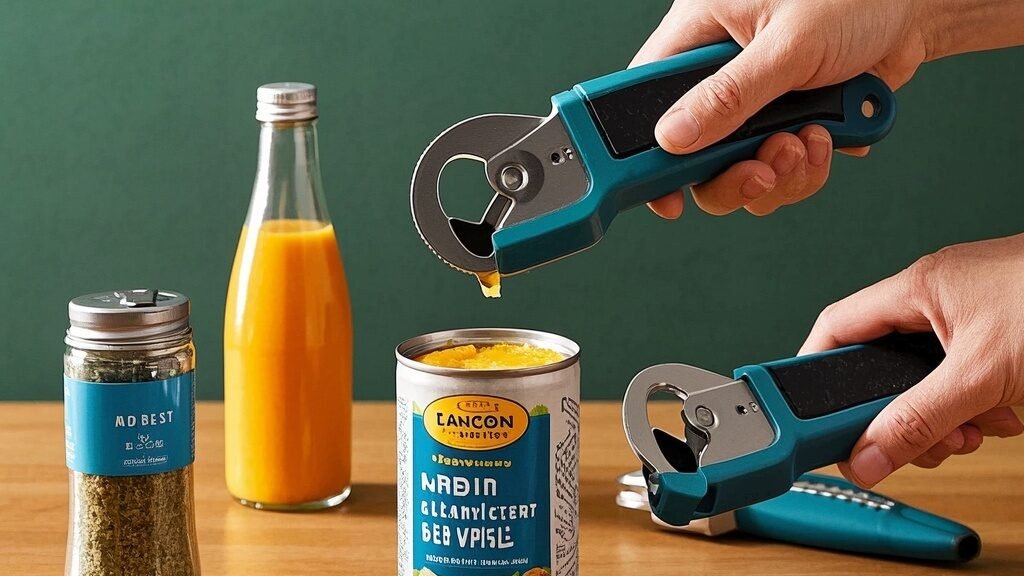
You’re in the middle of preparing dinner, a can of your favorite soup in hand. The familiar ritual begins: wrestle with a manual opener, struggle with a stubborn lid, and finally pry it off, often with a sharp edge that makes you flinch. It’s a universal kitchen nuisance, but what if the entire process could be reimagined? What if the tool did all the work, not just cutting the lid but *removing* it, leaving you with a perfectly open can and a lid you never have to touch? This isn’t a futuristic concept; it’s the precise promise behind a specific category of kitchen gadgets. The question guiding our exploration is clear: Which automatic can opener opens cans without touching the lid? The answer lies in innovative designs that prioritize safety, convenience, and a genuinely hands-off experience.

The Mechanics of Hands-Free Opening

To understand the solution, we must first look at the problem with traditional openers. Standard automatic openers typically cut around the lid’s perimeter but leave it resting loosely on top of the can. You still need to use your fingers to lift it off, risking contact with food or sharp edges. The breakthrough comes from models equipped with a magnetic lid lifter. Here’s how it works: as the device’s cutting mechanism rotates around the can, it cleanly severs the lid. Immediately after the cut is complete, a strong magnet housed within the opener’s arm or head engages, securely grabbing the metal lid. The unit then retracts, lifting the lid … Read the rest

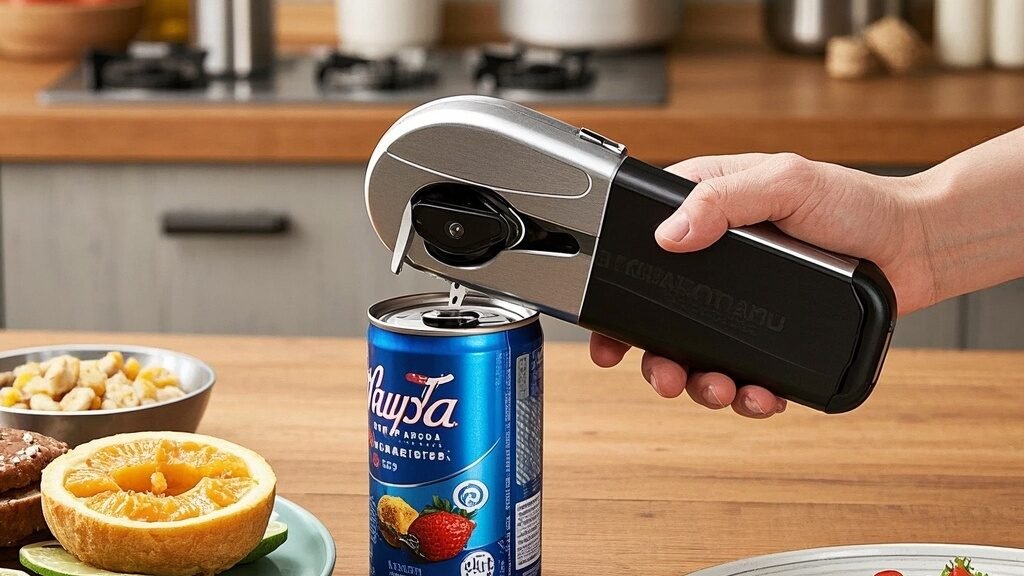
Do automatic can openers leave smooth edges?

Do automatic can openers leave smooth edges?

You’ve just wrestled a can of tomatoes from the pantry, ready to elevate your weeknight pasta sauce. But as you reach for your old, trusty manual opener, a flicker of hesitation hits. The last time left a jagged, treacherous lid and a wickedly sharp can rim—tiny metal teeth waiting for an unsuspecting finger. It’s a minor kitchen annoyance everyone knows, yet we’ve mostly accepted it as the unavoidable price of access. But what if the solution isn’t about perfecting your twisting technique, but about changing the tool entirely? This brings us to the modern promise of the automatic can opener and its core claim: do automatic can openers leave smooth edges? The answer isn’t just a simple yes or no; it’s a reveal about how technology reimagines even our most mundane tasks.

The Mechanics Behind the Cut: Why Edges Matter

To understand the edge, we need to look under the hood. A traditional manual opener uses a cutting wheel that pierces and then tears through the metal seam under downward pressure, often crimping the lid and leaving behind that characteristic ragged, sometimes razor-sharp fringe. It’s a brute-force method. In contrast, most automatic can openers operate on a fundamentally different principle. They typically use a magnetically attached, side-cutting mechanism. The device clamps onto the side of the can, and a motorized blade cleanly shears the lid off just beneath the rim, leaving it attached to the can’s top. According to the manufacturer specifications for leading brands, this process severs the lid without crushing or … Read the rest

What are the disadvantages of automatic can openers?

What are the disadvantages of automatic can openers?

Imagine your kitchen during a hectic dinner prep. You’re juggling multiple pots, the timer is beeping, and you finally reach for that can of tomatoes—the final ingredient. With a sigh of relief, you place it under your automatic can opener, press the button, and… nothing happens. The battery is dead. Suddenly, the gadget marketed as the pinnacle of convenience has become the epicenter of frustration. This scene underscores a quiet truth in our quest for kitchen automation: sometimes, simpler is better. While automatic can openers promise effortless operation, their drawbacks often go unmentioned in glossy advertisements. From frustrating design flaws to surprising inefficiencies, these devices can complicate the simple task of opening a can.

The Hidden Costs of Convenience

The most immediate disadvantage of an automatic can opener is its dependency on power. Unlike a trusty manual opener that works in any situation, an electric model is useless during a power outage or with dead batteries. This might seem like a minor point, but it highlights a vulnerability in our kitchens. Furthermore, these devices come with a higher upfront cost and long-term expenses. You’re not just buying the tool; you’re committing to potential battery replacements or constant electricity use. They also introduce maintenance that a manual opener doesn’t require. According to manufacturer guides, the cutting mechanism and gears need regular cleaning to prevent food gunk and rust from jamming the motor. If it breaks, repair is rarely an option, leading to more electronic waste. Suddenly, the “convenience” comes with a tether to … Read the rest

What is the best can opener for seniors with arthritis?

What is the best can opener for seniors with arthritis?

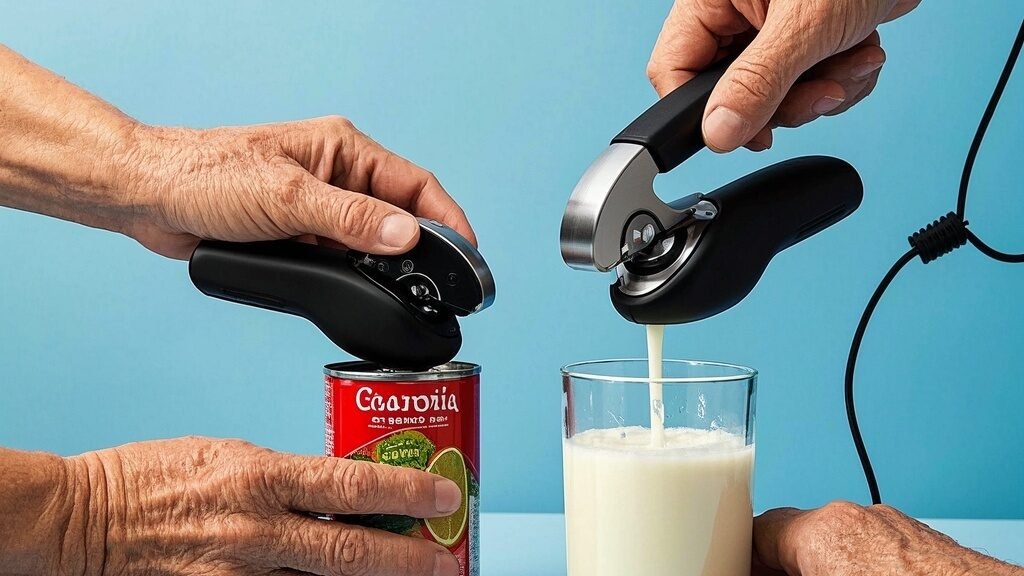
Opening a simple can of soup shouldn’t feel like a wrestling match. Yet, for many seniors living with arthritis, the familiar struggle of pinching a traditional opener, applying torque, and wrestling with a jagged lid transforms a basic kitchen task into a source of frustration and even pain. It’s a small daily hurdle that can chip away at independence. The quest for the best can opener for seniors with arthritis isn’t just about convenience; it’s about reclaiming ease and dignity in the kitchen. The good news? The right tool doesn’t just minimize strain—it can completely transform the experience.

Understanding the Key Challenges: More Than Just Grip Strength

Arthritis affects everyone differently, but the challenges in the kitchen often share common themes. Pain and stiffness in the hands, wrists, and shoulders can make squeezing a standard opener impossible. Weak grip strength turns the twisting motion required by many “side-cutting” openers into a major ordeal. Furthermore, safety is a paramount concern—slippery hands and sharp, uneven lids pose a real risk of cuts. Therefore, the ideal opener must address these specific pain points: it should require minimal grip force, eliminate or drastically reduce the need for twisting motions, provide stable leverage, and produce a safe, smooth lid edge. It’s not about finding the “strongest” opener, but the smartest one that does the hard work for you.

Electric Power: The Ultimate in Effortless Operation

For maximum ease of use, electric can openers are often the top recommendation. These devices do almost all the work. … Read the rest

What type of can opener is easiest for elderly people?

What type of can opener is easiest for elderly people?

Imagine standing in your own kitchen, a simple can of soup in hand. Your fingers, perhaps stiffened by arthritis or less steady than they once were, fumble with a familiar handheld opener. The effort required to puncture the metal, the awkward twisting motion, the slippery grip—what should be a trivial task becomes a source of frustration and even a safety concern. For many seniors, maintaining independence in daily routines is paramount, and kitchen tools are a critical part of that equation. This is where choosing the right can opener transforms from a minor purchase into a significant quality-of-life decision. The easiest opener for elderly users isn’t about the fanciest technology; it’s about fundamentally rethinking force, grip, and stability to reduce physical demand.

The Critical Flaws of Traditional Handheld Openers

Let’s start by understanding why the classic manual opener often fails an aging user. These tools require a specific combination of actions: firm downward pressure to pierce the lid, a secure grip on often-small, slippery handles, and sustained rotational force from the wrist and forearm. For someone with weakened hand strength, arthritis, or conditions like Parkinson’s that cause tremors, each step presents a hurdle. The pressure can cause pain in finger joints. The twisting motion can strain wrists. A shaky grip might cause the opener to slip, potentially damaging the can’s rim or creating sharp edges. While these openers are inexpensive and ubiquitous, their design inherently demands a level of dexterity and strength that many seniors naturally lose over time. Therefore, … Read the rest

How do seniors open cans without hurting their hands?

How do seniors open cans without hurting their hands?

The simple act of opening a can of soup or beans can become a daunting, even painful, task. Arthritic hands, weakened grip strength, or conditions like Parkinson’s tremors transform a mundane kitchen tool into a source of frustration and risk. That metallic ring of a traditional can opener no longer signals mealtime ease, but a battle of leverage, pressure, and sharp edges waiting to snag tender skin. For millions of older adults, maintaining independence in the kitchen hinges on solving this very specific challenge. How do seniors open cans without hurting their hands? The answer lies not in sheer force, but in smart, adaptive tools and techniques designed to work with the body’s changing needs, not against them.

The Problem with Standard Can Openers

Let’s examine the classic manual opener. It requires a firm, sustained grip to clamp onto the rim, significant wrist rotation to turn the knob, and often a second hand to apply counter-pressure. For someone with joint pain or reduced dexterity, each step presents a hurdle. The handles can dig into palms, the turning mechanism may slip, and removing the cut lid leaves a razor-sharp edge—a major hazard. Electric can openers seem like an obvious fix, but their large buttons, heavy bases, and need for precise alignment under a cutting mechanism can be tricky for those with limited vision or shaky hands. The core issue is that most openers are designed for peak physical capability, ignoring the natural decline in grip, strength, and fine motor control. Recognizing this … Read the rest

Do Automatic Can Openers Work on Large and Small Cans?

Do Automatic Can Openers Work on Large and Small Cans?

Imagine it’s the night before a big potluck, and you’re preparing your famous chili. The recipe calls for both standard 15-ounce tomato cans and a large, 28-ounce can of kidney beans. Your old manual opener is struggling, leaving jagged edges on the small can and failing to grip the large one entirely. In moments like these, the promise of an automatic can opener seems like a kitchen savior. But a practical doubt creeps in: can a single, countertop device reliably handle the full spectrum of can sizes in your pantry? The question of whether automatic can openers work on large and small cans is central to their value proposition. The answer isn’t a simple yes or no; it’s a mix of clever engineering, specific design limitations, and understanding your own cooking habits.

Understanding the Mechanism: How Automatic Openers Grip and Cut

To grasp their versatility, we need to know how they operate. Unlike manual openers where you control the pressure and angle, automatic models use a motorized drive. You place the can under a cutting head, lower a lever, and the device does the rest: it magnetically grips the lid’s rim, rotates the can, and cuts along the perimeter. This design is inherently adaptable. The cutting assembly typically adjusts to accommodate different can diameters. For the vast majority of standard cans—from small tuna cans (around 3-4 inches in diameter) to large soup or vegetable cans (approximately 4 inches)—automatic can openers perform consistently well. They remove lids cleanly, leaving smooth … Read the rest

What Is the Best One-Touch Can Opener for Home Use?

What Is the Best One-Touch Can Opener for Home Use?

Imagine your kitchen during a busy weeknight. You’re trying to get dinner ready, your hands are a bit greasy from seasoning, and you reach for a can of tomatoes. The old manual opener feels clunky, the electric one you have requires button-holding and precise alignment, and frustration starts to simmer alongside your meal prep. This mundane moment highlights a silent quest in modern kitchens: the pursuit of true convenience. It’s in this search that the one-touch can opener has emerged not just as a gadget, but as a potential game-changer for fluidity in cooking. But with several models promising effortless operation, how do you identify the best one for your home? The answer lies not just in the promise of simplicity, but in durability, design, and how seamlessly it integrates into your real-life routine.

Performance and Real-World Use: Beyond the Single Button

The core appeal is undeniable: place the opener on a can, press a button, and it automatically magnetically locks, pierces, and rotates until the lid is cleanly cut. The best models, like the Hamilton Beach Smooth Touch Can Opener or the Kitchen Mama Electric Can Opener, execute this flawlessly on standard steel and aluminum cans. However, real-world testing reveals nuances. Performance can vary with can size—some openers struggle with very short or tall, slender cans. Noise level is another factor; while not excessively loud, they produce a distinct humming grind. The most reliable units offer a consistent speed and don’t stall on tougher seams. According to the … Read the rest